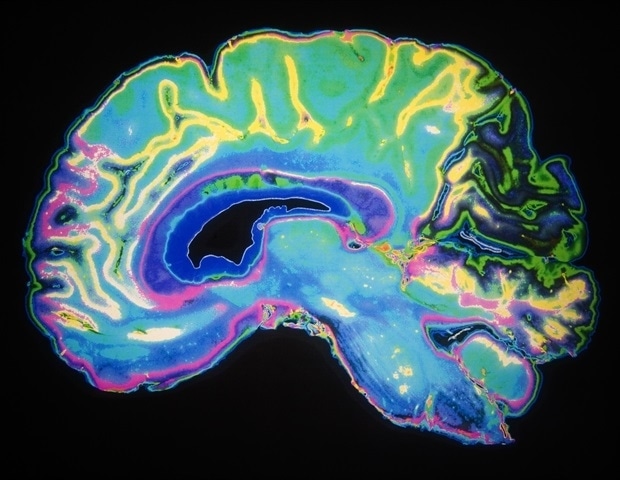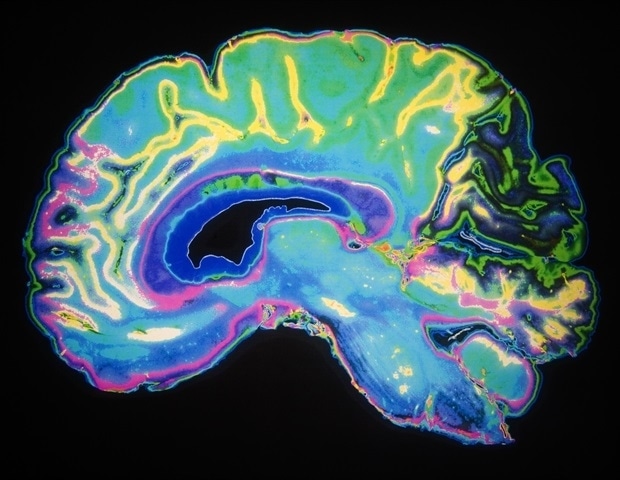
LSD speeds up brain waves and increases neural complexity, study finds
First synthesized in a laboratory in 1938 by the Swiss chemist Albert Hofmann, lysergic acid diethylamide, better known by its acronym LSD, is one of
another news portal
First synthesized in a laboratory in 1938 by the Swiss chemist Albert Hofmann, lysergic acid diethylamide, better known by its acronym LSD, is one of
INmune Bio Inc. (the “Company”), a late-stage biotechnology company focused on inflammation and immunology, today announced that it has entered into a Master Services Agreement
Current Good Manufacturing Practice (GMP) standards for cell therapies assess identity, viability, sterility, and genetic stability. For extracellular vesicle (EV) products, Minimal Information for Studies
Naomi Potter set up her own clothes company after feeling overwhelmed by the feeling of some clothes.
Oscar-winning actress Dame Judi Dench says her eye condition has left her unable to perform on stage or read, more than a decade after she
He came to its attention in the 1930s when he was considered a left-wing firebrand.
Women are sharing their experiences with chronic urinary tract infections on social media in an effort to break the stigma surrounding UTIs.
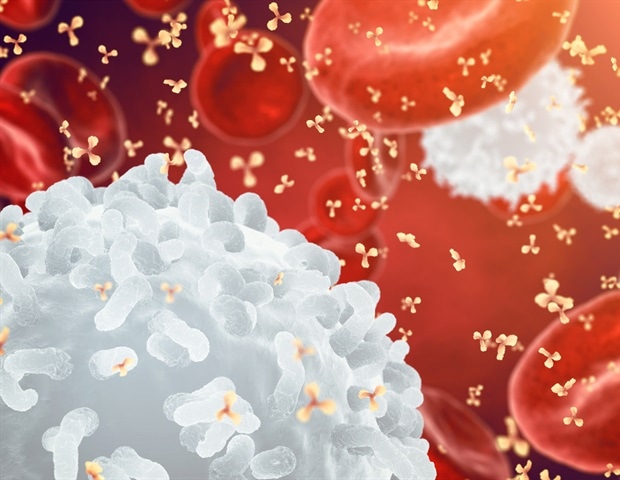
Scientists have started work on a new way to fight cold and flu viruses by reprogramming the cells in our immune system to respond faster
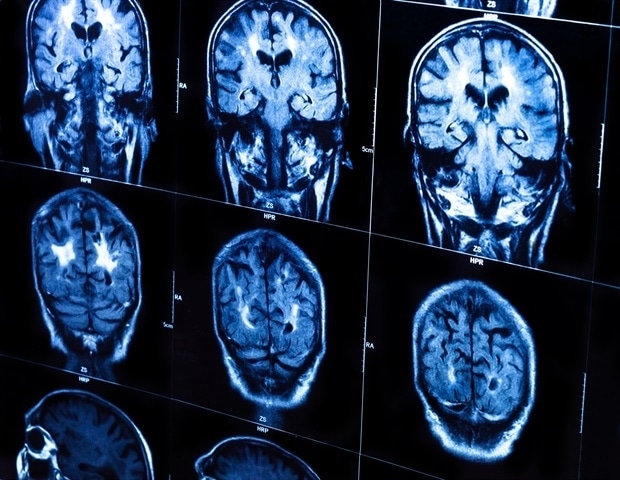
Researchers from the Mark and Mary Stevens Neuroimaging and Informatics Institute (Stevens INI) at the Keck School of Medicine of USC will lead a worldwide
During the first weeks of pregnancy, developing cells are already laying the foundation for the brain. Iron plays a major role in the organization and
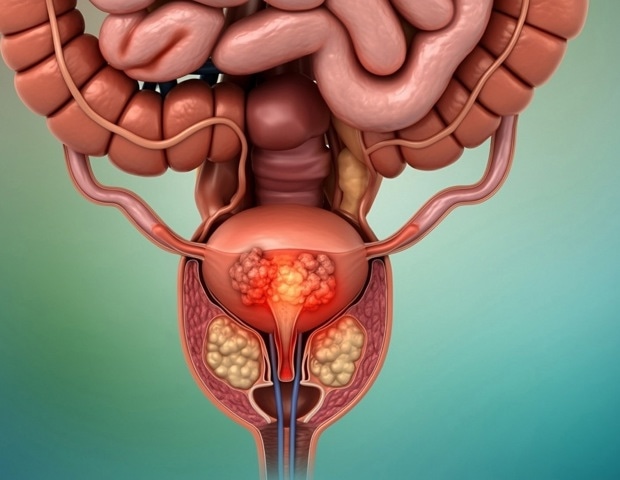
Proteins linked to the immune system, cell adhesion, blood vessel formation and known prostate cancer genes, were associated with the future risk of developing prostate
Researchers at Weill Cornell Medicine have identified a molecular pathway that contributes to the death of insulin-producing beta cells in the pancreas.
Researchers examining 117 father-son pairs from Denmark and Finland identified weak but statistically significant familial associations in several male reproductive traits, including testicular size, sperm