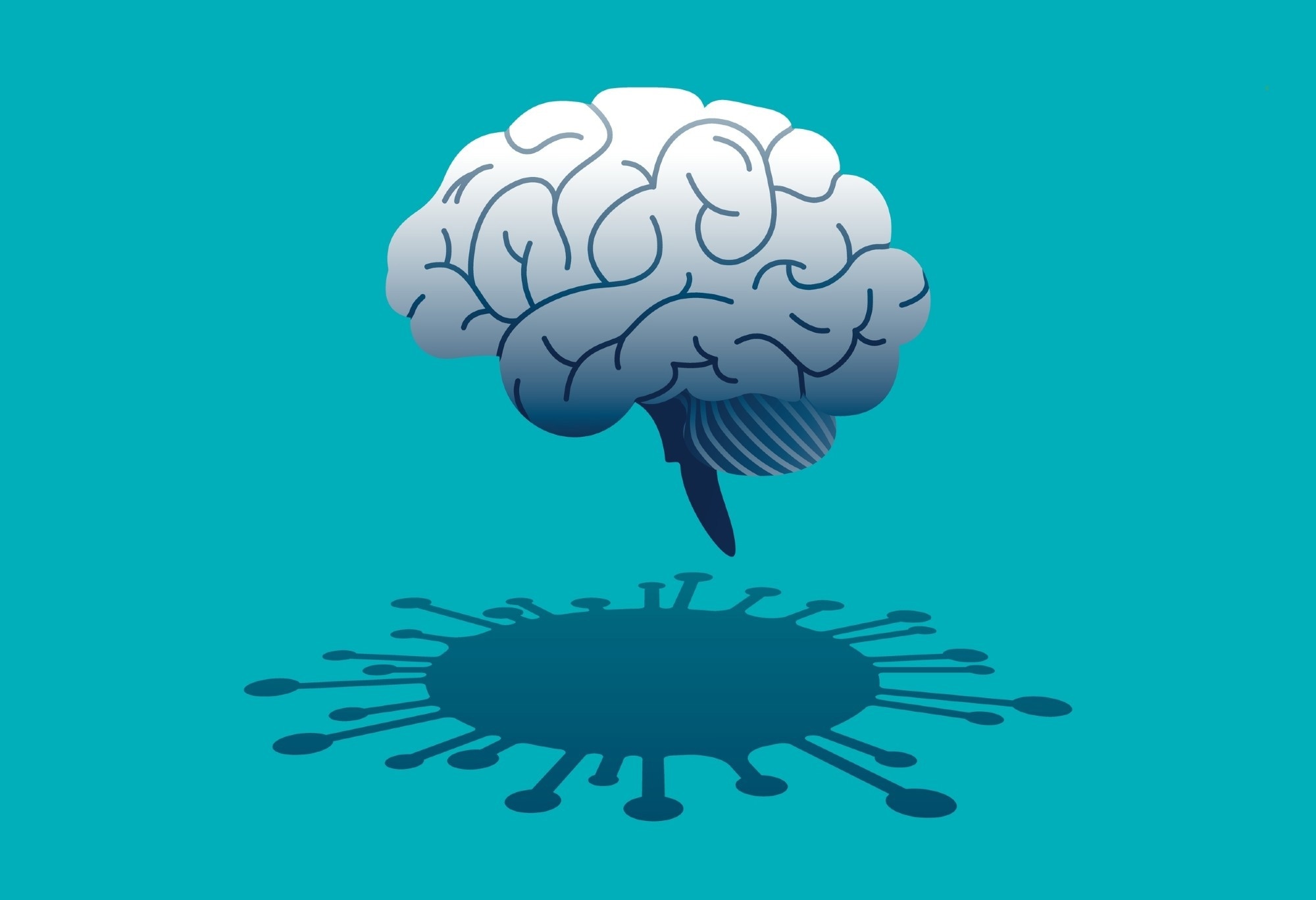
Can a pulse of electricity to the brain make us less selfish?
Scientists have discovered how to make people less selfish – slightly and temporarily – by stimulating two areas of the brain.
another news portal
Scientists have discovered how to make people less selfish – slightly and temporarily – by stimulating two areas of the brain.
“Vaccines are radioactive now.” The post The FDA: Promoting Quack Nostrums Based on “Incredible Stories” While Rejecting Vaccines Despite Successful RCTs first appeared on Science-Based
The antivax activist who is now our Secretary of Health and Human Services, Robert F. Kennedy, Jr. has turned his attention briefly from vaccines to
A male fruit fly in a laboratory chamber extends his wings and vibrates them to produce his species’ version of a love song.
Researchers are exploring a new generation of biochemical markers that may help clinicians detect myocardial contusion. A frequently overlooked form of heart injury caused by
Puerto Rico’s governor has signed a bill that amends a law to recognize a fetus as a human being
Our past experiences shape how much we eat and where and what we choose to eat. Using preclinical models, researchers from Mass General Brigham and
Researchers have developed a highly sensitive light-based sensor that can detect extremely low concentrations of cancer biomarkers in the blood.
Atrial fibrillation (AF), the most common chronic cardiac arrhythmia in clinical practice, is very challenging to treat once it becomes persistent, after which spontaneous return
Anti-science health legislation doesn’t just reflect misinformation; it institutionalizes it, cementing false beliefs into population-level risks. The post 2026: State Legislatures as Vectors of Health
In rural regions of Africa, high blood pressure often goes untreated because health centers are far away and there is a shortage of health professionals.
The American Society of Hematology (ASH) released guidelines on frontline management of acute lymphoblastic leukemia (ALL) in adolescents and young adults (AYAs), as well as
Cataracts remain the leading cause of blindness worldwide among adults over 50, despite major advances in surgical treatment.
Unions angry, but government says it demonstrates its commitment to workforce.