Our leading theory of dark matter may be wrong, huge new gravity study hints
New research using a space-time phenomenon predicted by Einstein presents evidence that the invisible backbone of the universe may be much “fuzzier” than we realized.
another news portal
New research using a space-time phenomenon predicted by Einstein presents evidence that the invisible backbone of the universe may be much “fuzzier” than we realized.
A researcher from the University of Essex dives into the philosophical and ethical questions surrounding “deathbots.”
Researchers were once unsure whether mantle earthquakes existed. Now they have a global map of this mysterious phenomenon.
The carbon emissions of the world’s biggest greenhouse gas emitter have plateaued for nearly two years.
The crew will spend the next eight months conducting experiments to prepare for human exploration beyond Earth’s orbit. (Image credit: NASA)
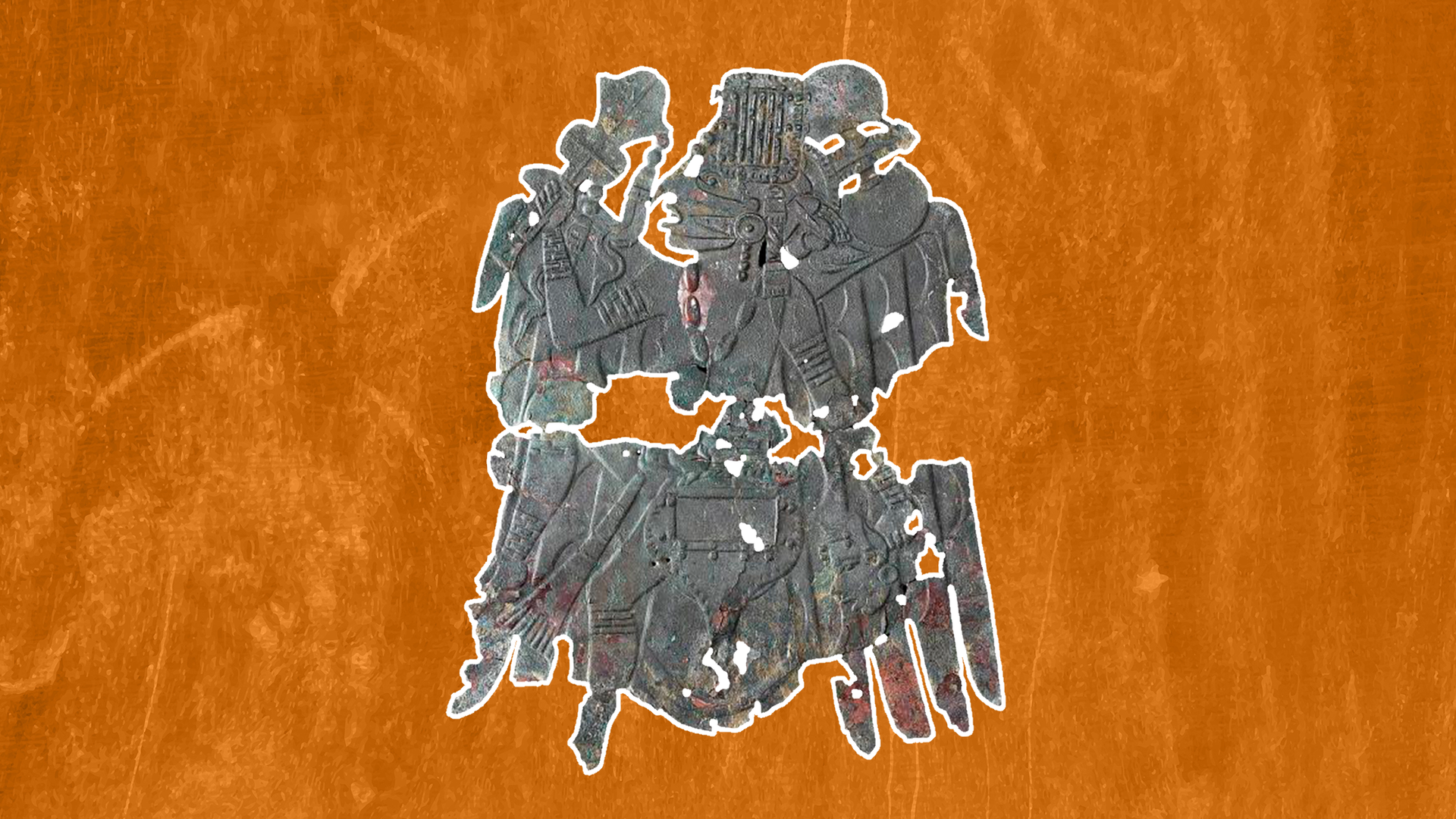
A rock shelter with rock art and inscriptions spanning millennia has been discovered in Egypt.
For the first time, scientists have identified genetic variants that increase the risk of aneuploidy, in which cells have an abnormal number of chromosomes. Aneuploidy
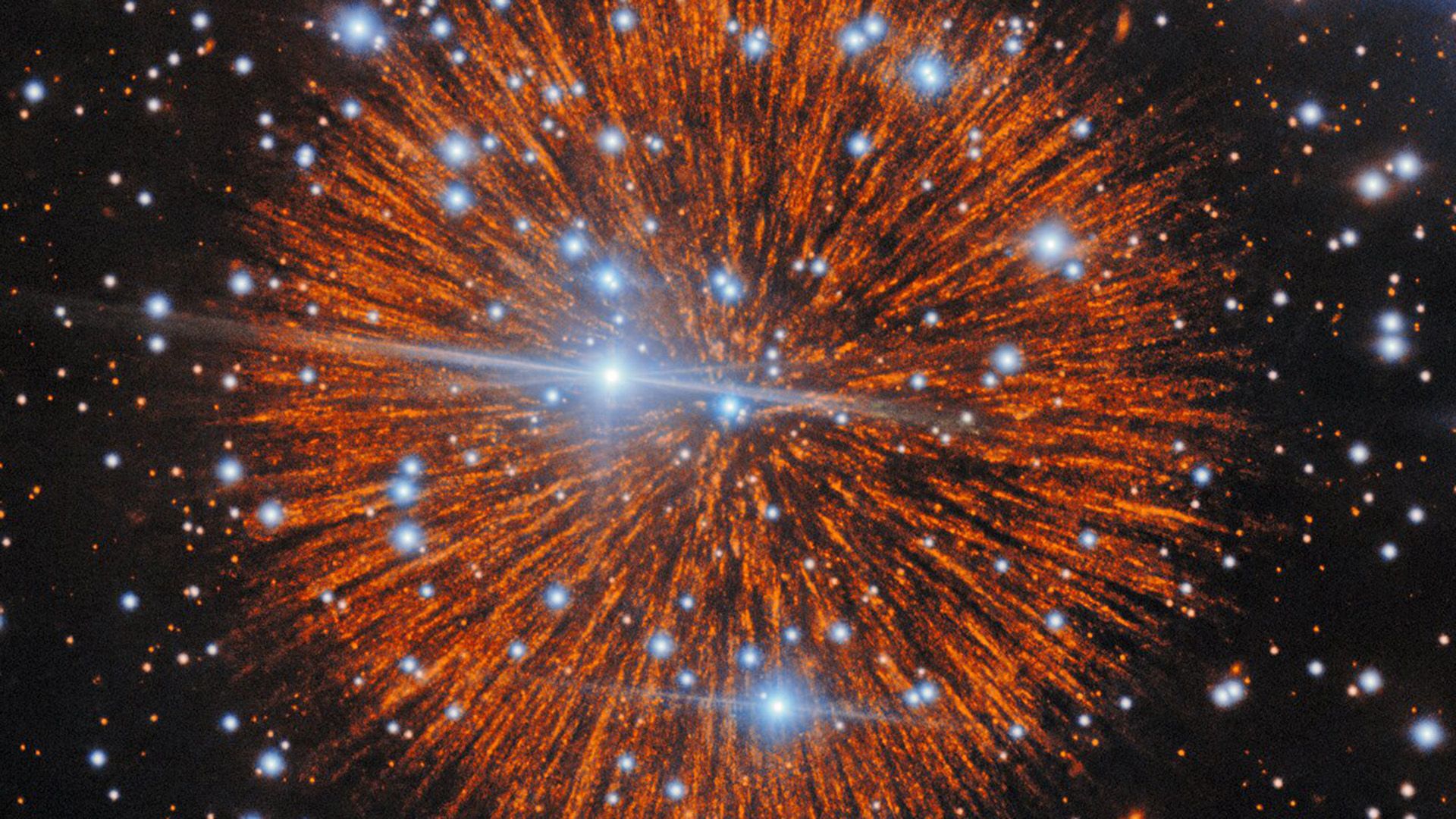
Recent observations suggest that ‘runaway’ black holes are tumbling through the cosmos. Building on decades of theory, the discovery adds a remarkable new chapter to
The New York–Newark–Jersey City Metropolitan Statistical Area, which spans 23 counties across New York, New Jersey, and Connecticut and has a population of about 19.9
Researchers used 1 million data points and a machine learning algorithm to estimate groundwater stores with higher resolution than ever before.
Feb. 14 2026: Our weekly roundup of the latest science in the news, as well as a few fascinating articles to keep you entertained over
Ghost lineages reveal themselves through ancient genes that still exist in living beings today.
As Valentine’s Day approaches, we take a look at monogamy and its alternatives among animals — including humans.
Elephants use their trunks much like a human uses their hands: to pick up food and manipulate objects. A new study finds that tiny, specialized