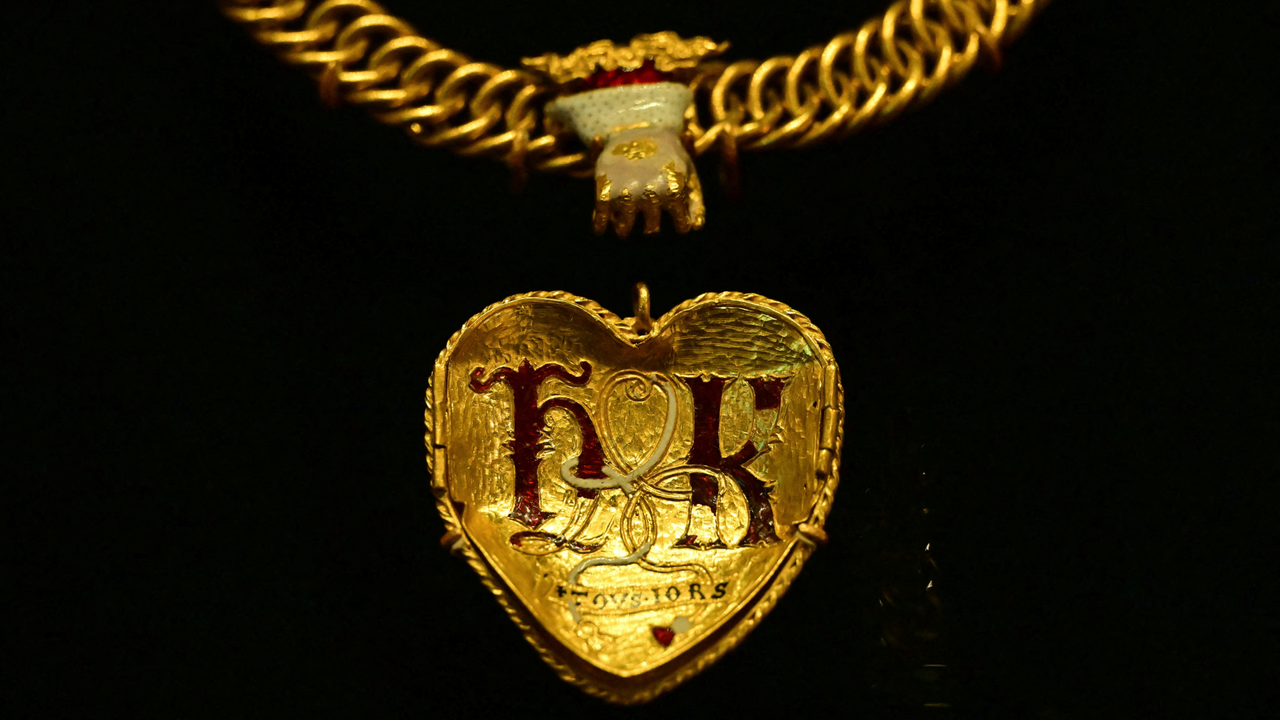
Tudor Heart: A Renaissance gold necklace featuring a French-English pun on the love between Henry VIII and his first wife, Katherine of Aragon
A chance discovery of a 16th-century necklace reveals new information about Tudor-era jewelry styles.
another news portal
A chance discovery of a 16th-century necklace reveals new information about Tudor-era jewelry styles.
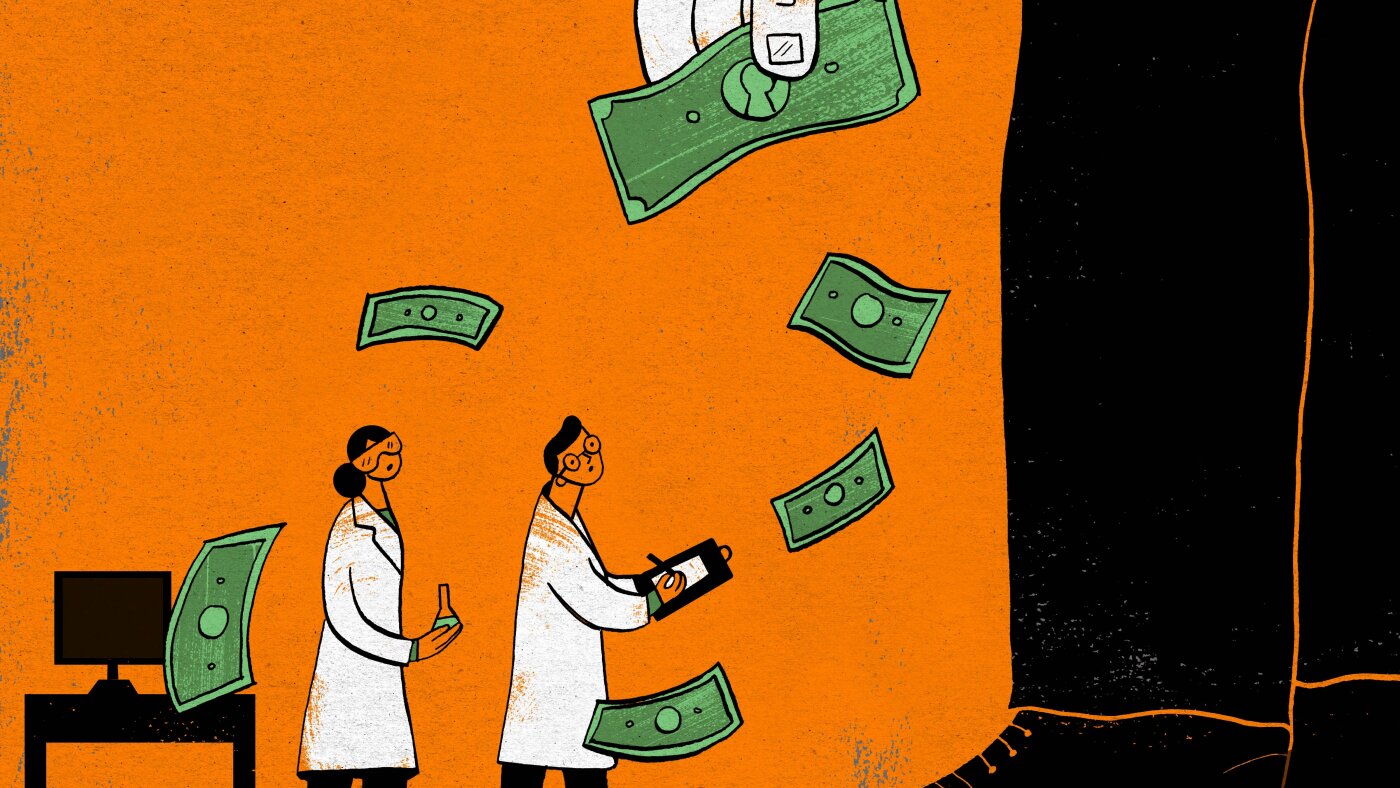
A large share of science funding comes through philanthropy, with little legal or public scrutiny. This lack of oversight allowed Jeffrey Epstein to cultivate scientists
The Trump administration has delayed billions of dollars for projects to protect Americans from floods, wildfires and hurricanes. Local leaders are increasingly anxious. (Image credit:
NASA astronaut Kjell Lindgren takes a selfie with the people behind “Project Hail Mary” and the audience during a panel about the movie at NASA’s
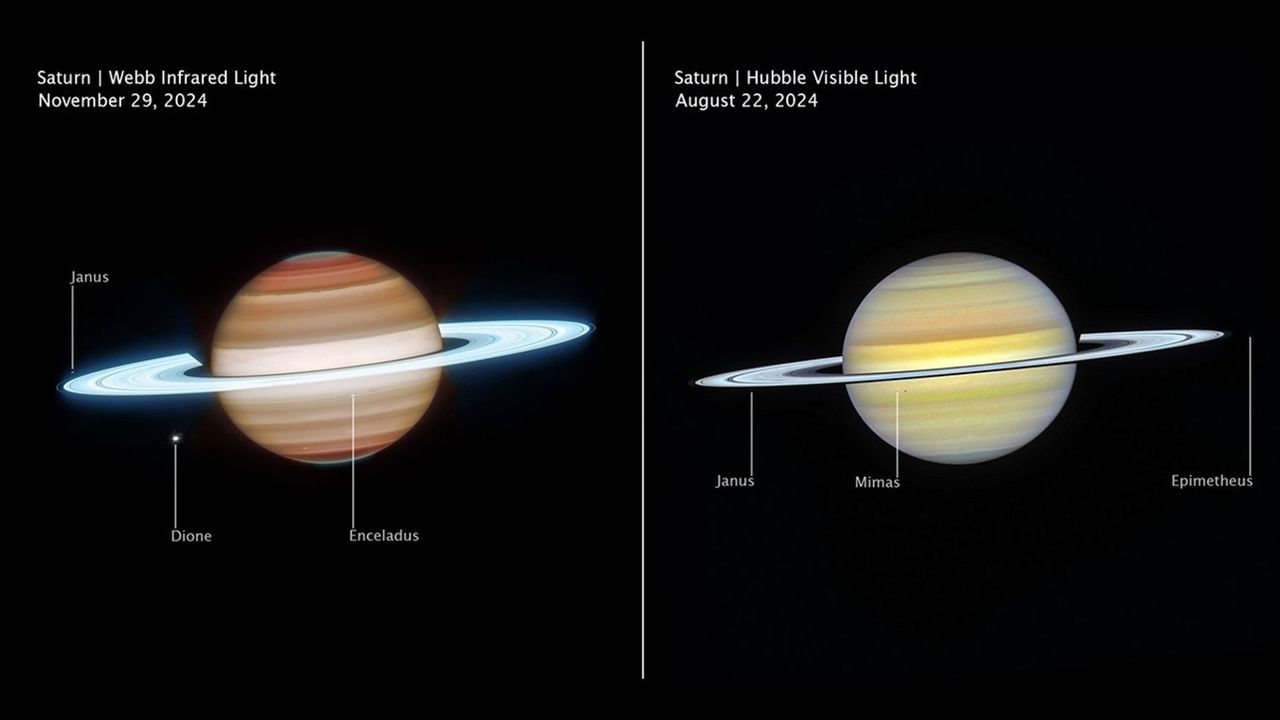
Viewing Saturn in complementary wavelengths, the James Webb and Hubble space telescopes reveal more about what makes up the layers of ringed planet’s atmosphere.
A technology policy researcher explores the ethics of implementing AI in current camera surveillance systems.
Two researchers explain how endometriosis drives a whole body immune response due to inflammation, urging the medical community to see it as a whole-body issue.
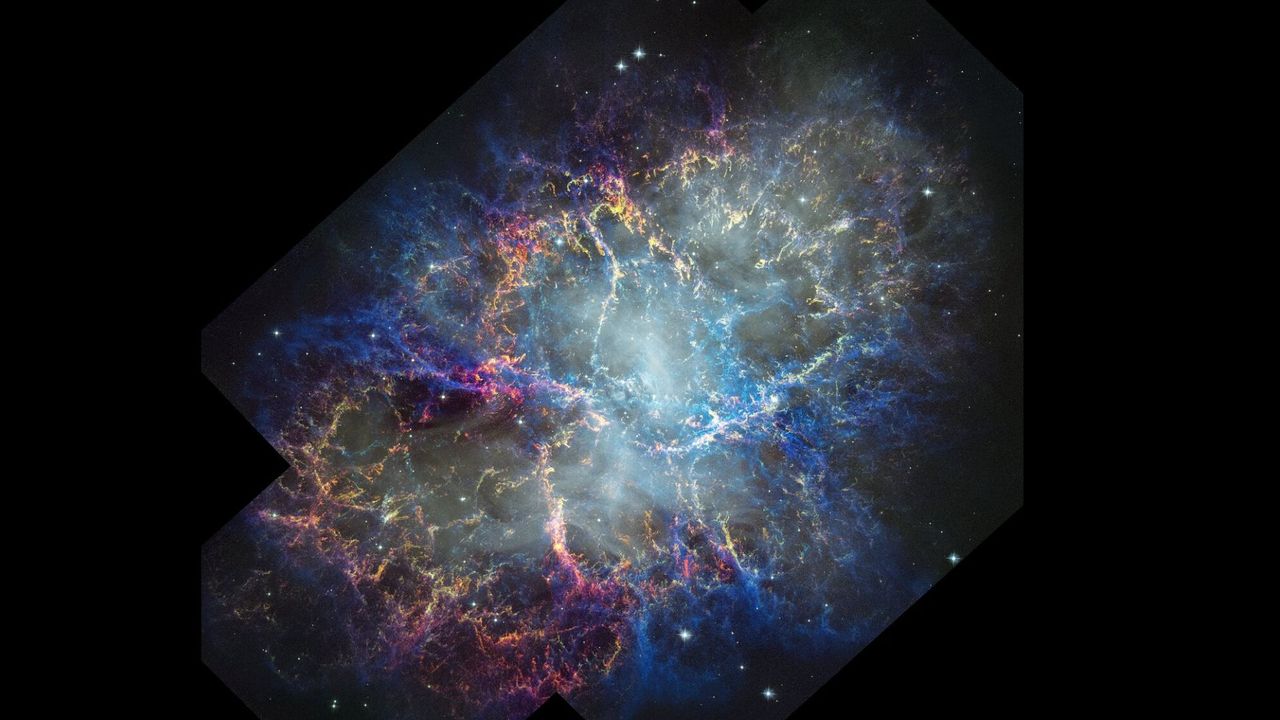
Astronomers reveal new insight into an iconic supernova remnant’s evolution, structure and pulsar-driven growth over 25 years.
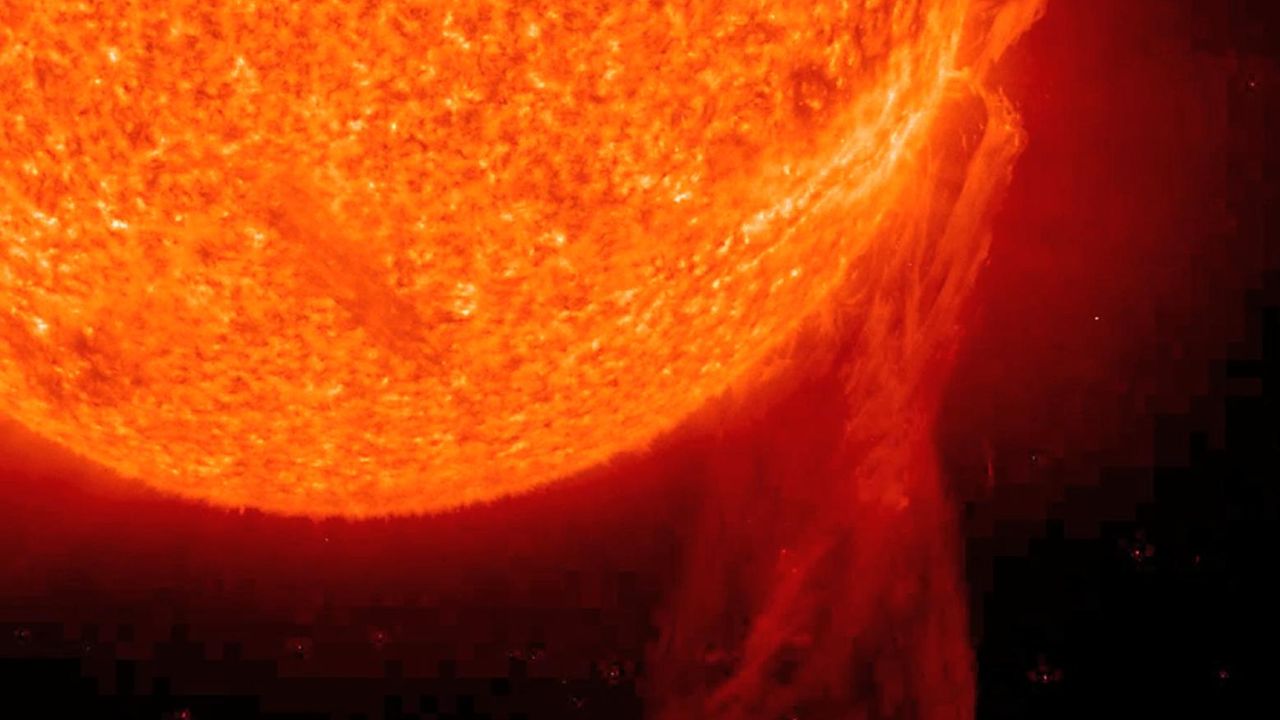
Earth is habitable due to warmth from the sun. So what would happen if the sun disappeared?
Smog from cars and trucks is an expected health hazard in big cities, but researchers from the University of Cincinnati found pollution from truck exhaust
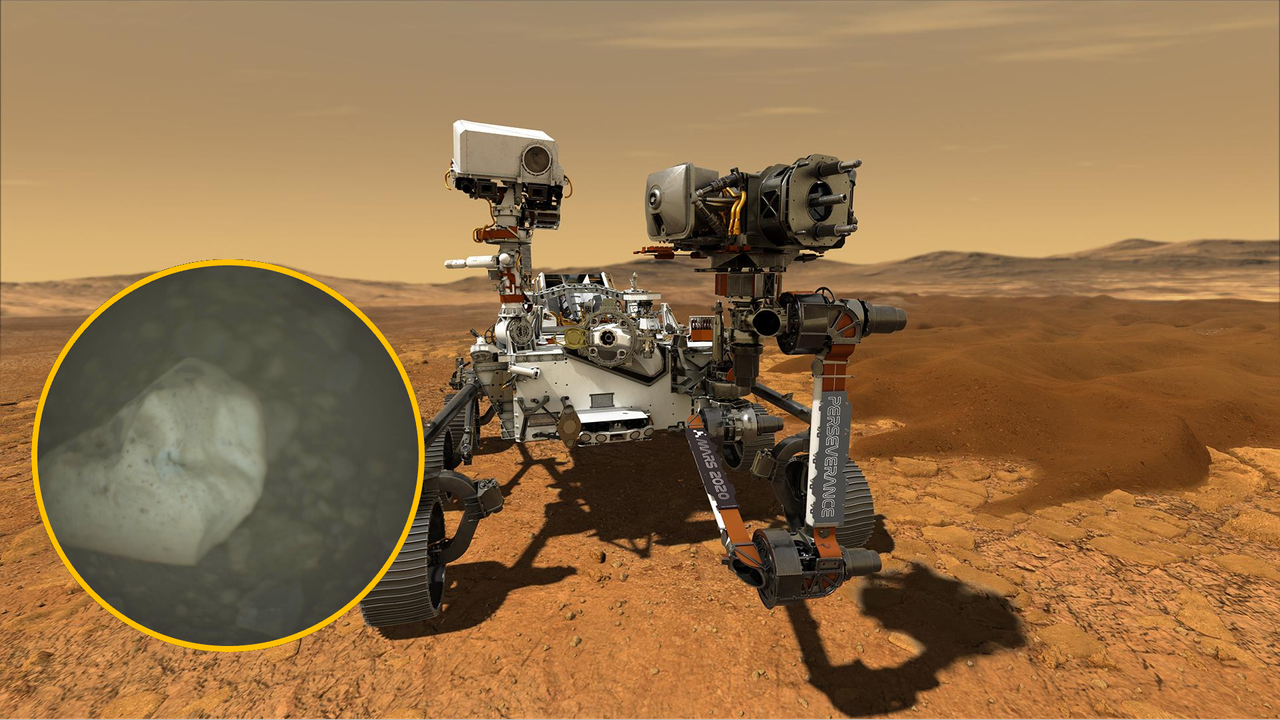
Astronomers have detected small, ruby-like crystals embedded in Martian rocks, which may also hide sapphires created in the fury of meteorite impacts.
Moon rocks are seen during a March 24, 2026, event where NASA is outlining how the agency is executing the National Space Policy and accelerating
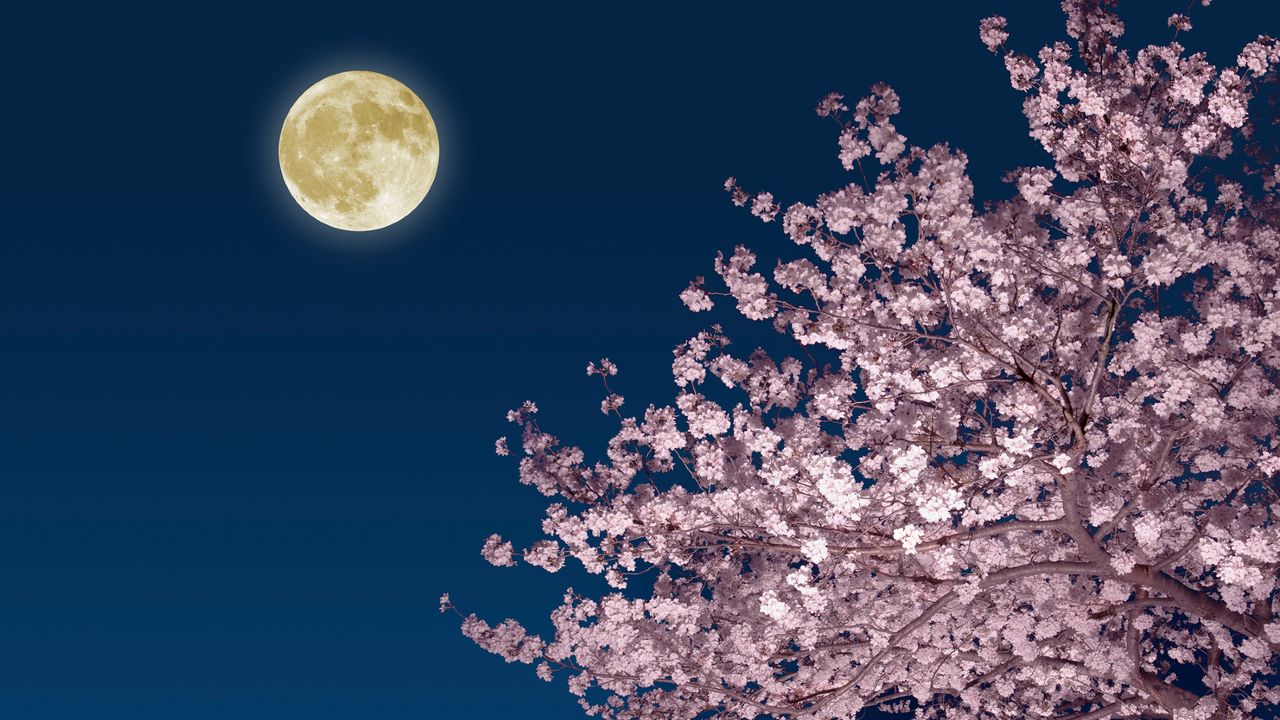
April’s full moon, known as the Pink Moon, determines the dates of Passover and Easter. This year, it rises on April 1.
A researcher explains how your body processes the THC from cannabis, resulting in “the munchies.”