Is AI making you lazier?
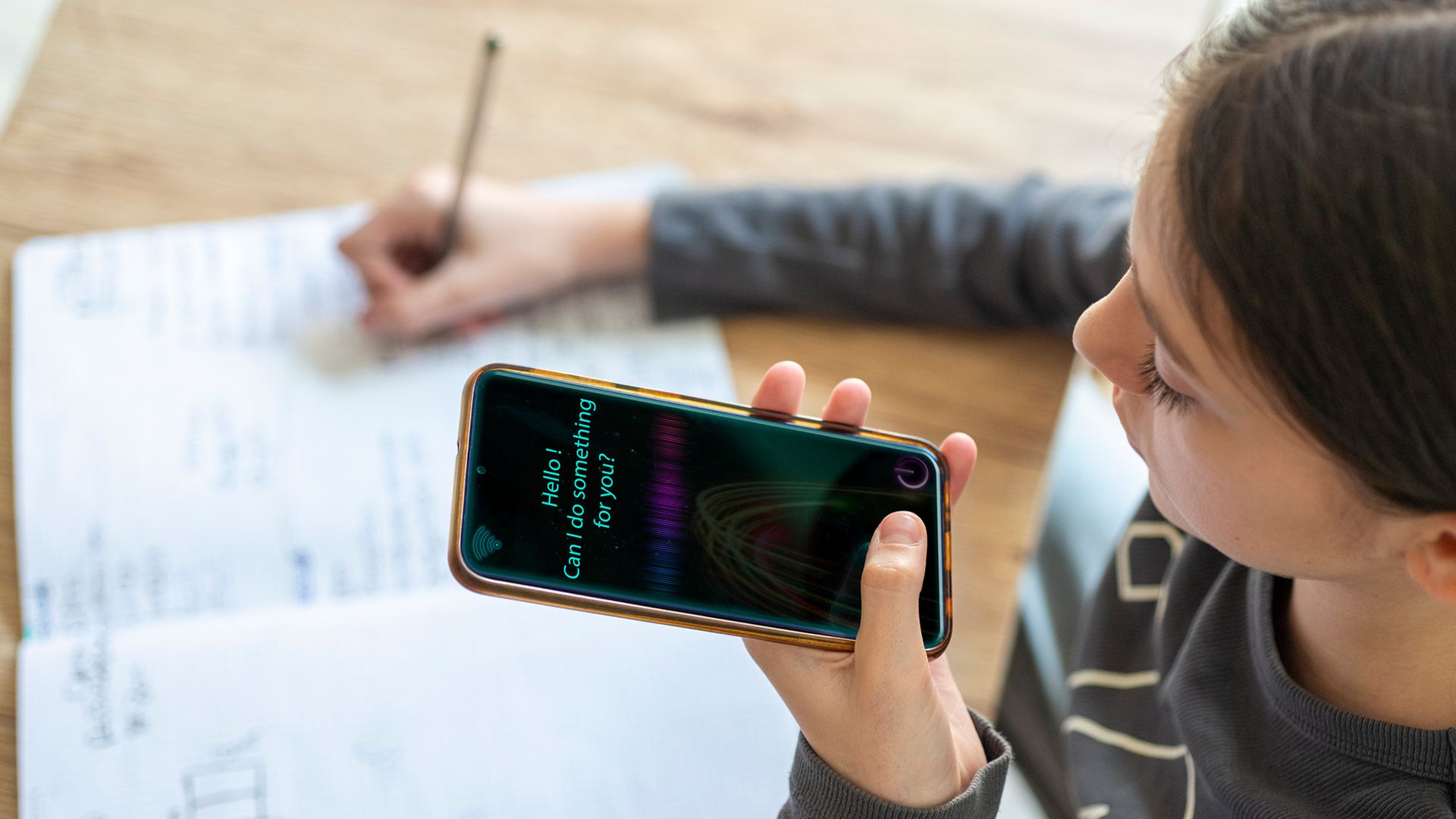
Artificial intelligence (AI) tools like chatbots are becoming part of everyday life, helping people write messages, answer questions and learn new skills. While some of
another news portal
Artificial intelligence (AI) tools like chatbots are becoming part of everyday life, helping people write messages, answer questions and learn new skills. While some of
A male tiger approaches his cubs and greets them with a head-bobbing motion while their mother rests nearby. The surprising interaction, captured in the PBS
Scientists have sequenced the genomes of three Late Stone Age people who lived in Europe 30,000 years ago and discovered that they had closer biological
Defenders across the world face the burden of responding to yet another botched code-execution vulnerability, this time in boot-time firmware used by most of the
Running an app ecosystem has gotten a lot more complex for Google after its loss in the Epic Games antitrust case. While US users can
John Hogue, a modern-day oracle dubbed “America’s Nostradamus,” warns we could all be doomed by several catastrophic events he believes will occur by 2028
Invesco is working with Anthropic to let financial advisers use its model portfolios and practice tools inside Claude for Financial Advisors. CAIS, Conquest and FINNY
Oracle announced Media Fabric at AI World, a platform that combines its own AI video and image models, an AI production suite and a live-streaming
The official results are due to be published on November 4, more than a week after the vote.
Lissu, who faces treason charge carrying a possible death sentence, refused food after being denied access to lawyers.
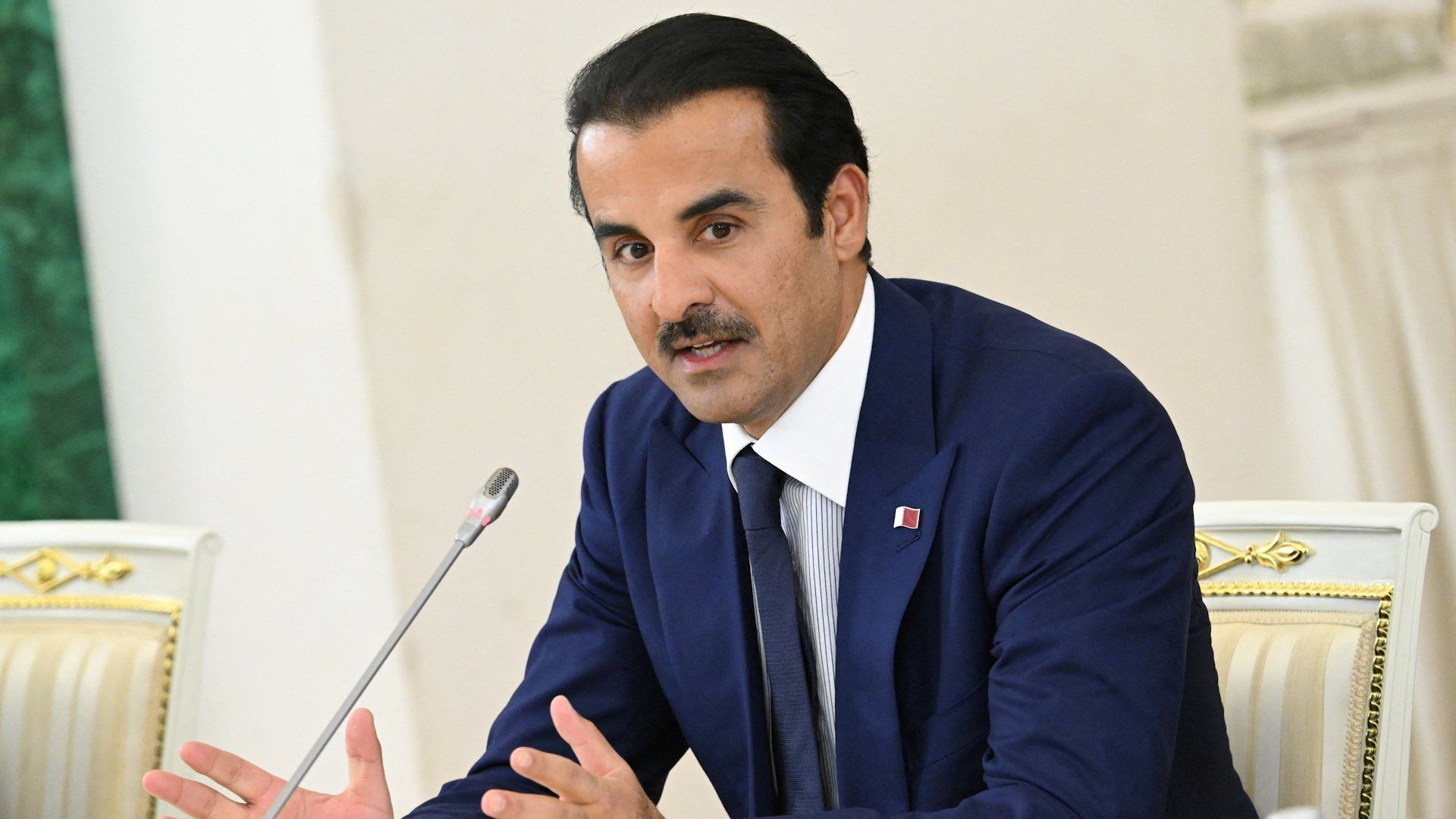
Russian President Vladimir Putin and Qatar’s Emir, Sheikh Tamim bin Hamad Al Thani, met in Moscow.
The University of Utah apologized on Monday to ESPN’s Pat McAfee after a handful of students mocked him as “corny” and “creepy,” triggering the college
Dr. Jennifer Shuford, the CDC’s deputy director, is leaving the agency after less than five months. It’s the latest example of the leadership turnover that
The truce was originally planned for the stranded residents of Oleshky, and Russia and Ukraine say no breaches have been reported.