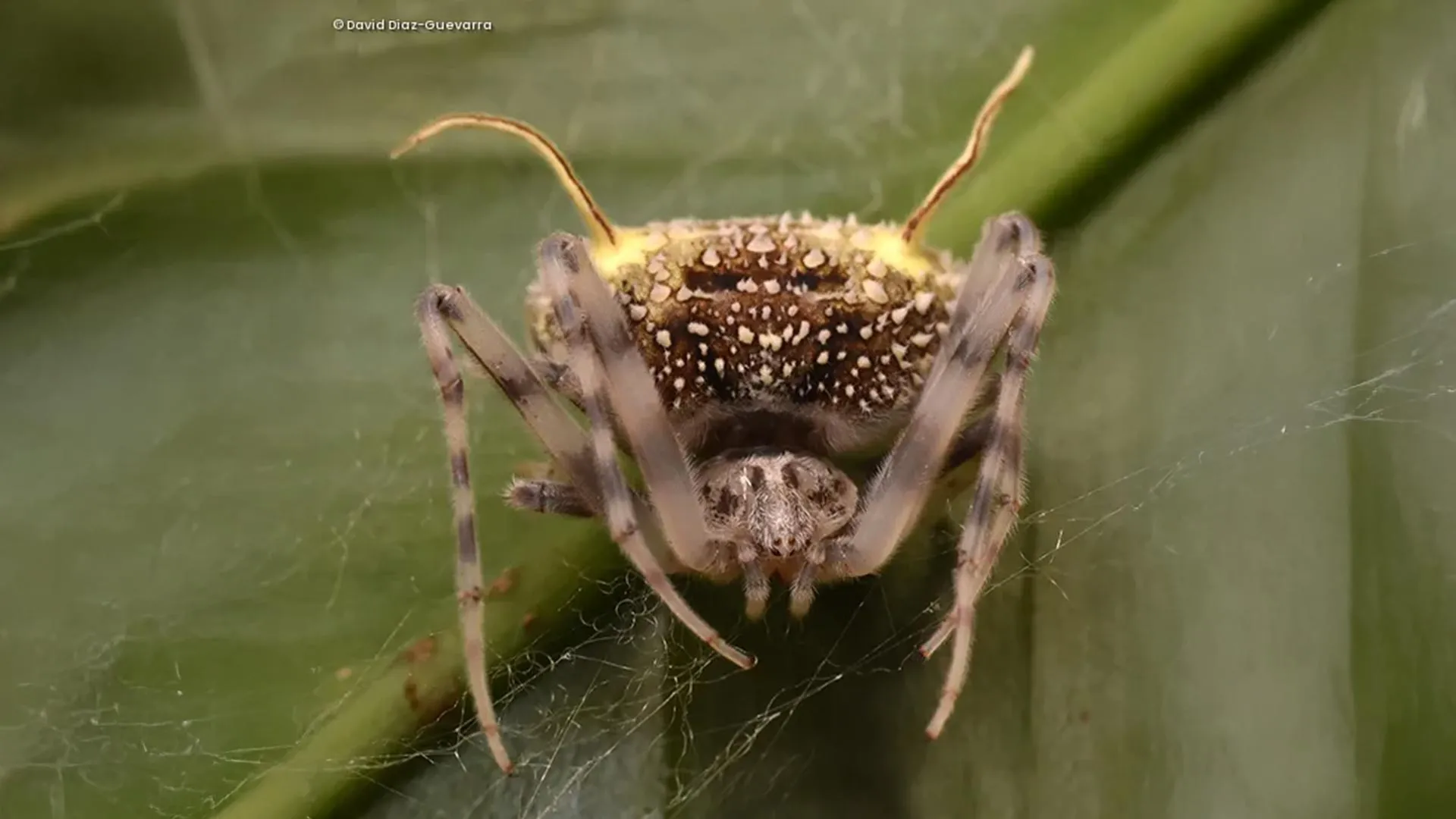
Scientists have discovered a new Amazonian spider with an astonishing disguise: it looks like a parasitic fungus. The species, Taczanowskia waska, mimics both the appearance and behavior of the fungus, helping it stay hidden from predators and potentially catch prey more easily.
Related Posts
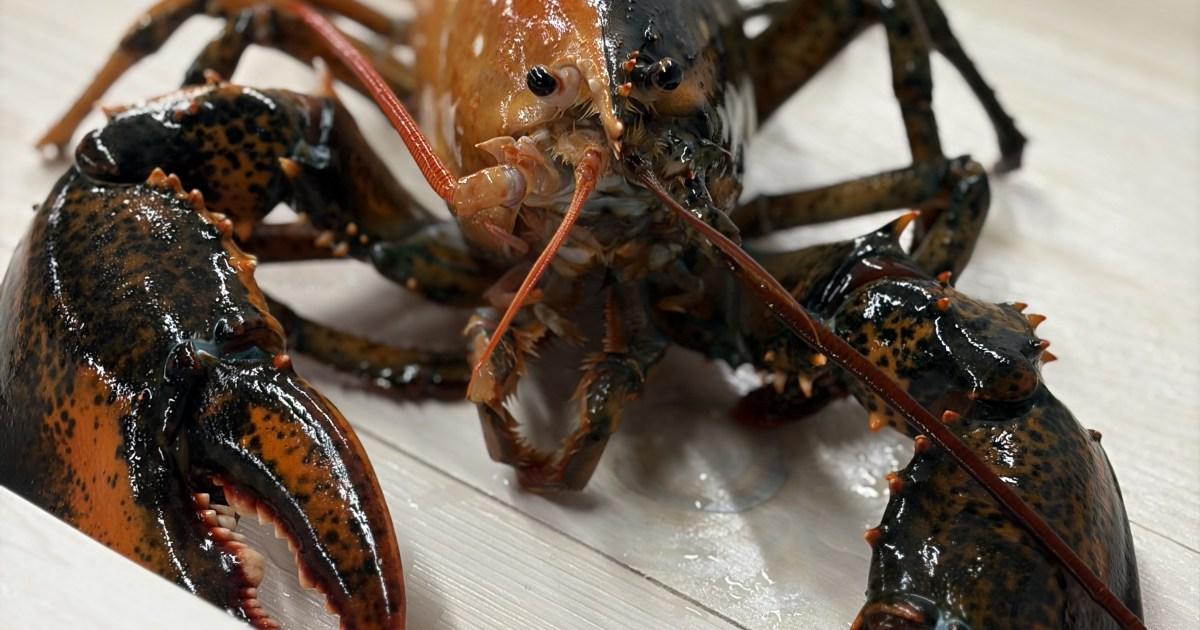
One in 50 million lobster that’s half black and half orange has been found off Cape Cod
The one-in-50-million lobster displays a striking divide in colour across its shell (Picture: Wellfleet Shellfish Company/Cover Media) A rare split-coloured lobster, estimated to occur in
The one-in-50-million lobster displays a striking divide in colour across its shell (Picture: Wellfleet Shellfish Company/Cover Media) A rare split-coloured lobster, estimated to occur in
Safety Experts Say To Beware Of These 2 Popular Apps For Kids — Including 1 Many Parents Trust
Experts reveal the hidden dangers of the seemingly harmless apps and how you can better protect kids and teens.
Experts reveal the hidden dangers of the seemingly harmless apps and how you can better protect kids and teens.

Scientists found a way to explain bird flocks that “defy” Newton’s third law
Physicists have solved a long-standing problem involving systems that appear to violate Newton’s third law, such as bird flocks and bacterial swarms. By adding carefully
Physicists have solved a long-standing problem involving systems that appear to violate Newton’s third law, such as bird flocks and bacterial swarms. By adding carefully