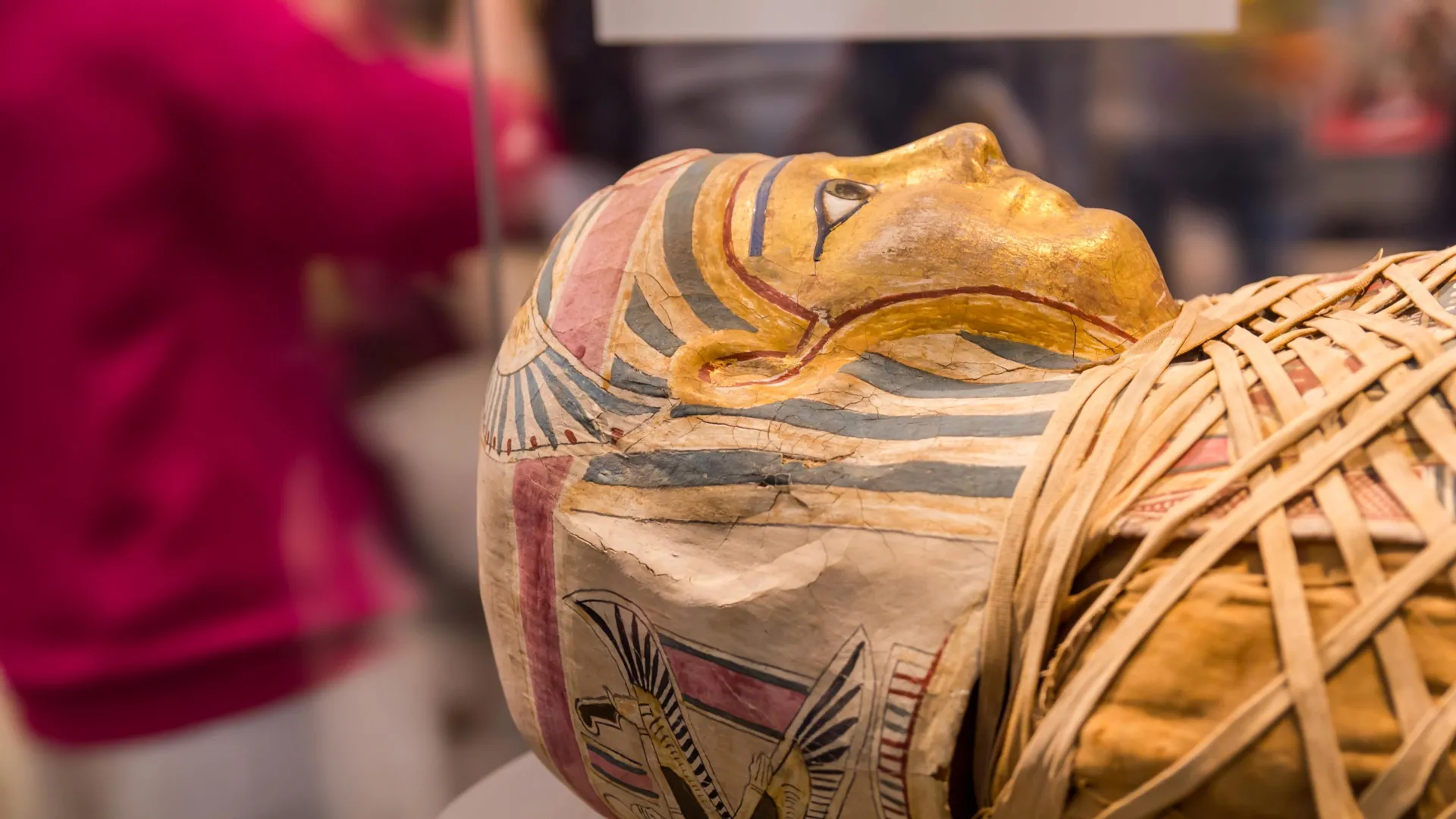
A 1,600-year-old mummy discovered in Egypt has revealed something archaeologists had never seen before: a fragment of Homer’s Iliad used during embalming. The papyrus was identified as part of the famous “Catalogue of Ships,” one of the best-known sections of the ancient epic. Researchers say it is the first archaeological evidence of a Greek literary text being intentionally incorporated into the mummification process, adding a fascinating new chapter to the history of both literature and ancient burial customs.
Related Posts

The secret to pigeons’ incredible navigation was hiding in their liver
Scientists have uncovered a surprising navigation system in pigeons: iron-filled immune cells in the liver that may act like tiny magnetic sensors. Birds deprived of
Scientists have uncovered a surprising navigation system in pigeons: iron-filled immune cells in the liver that may act like tiny magnetic sensors. Birds deprived of

Schrödinger’s anthill: Quantum entanglement found in a crystal large enough to hold
A centimeter-sized crystal has revealed clear signs of quantum entanglement, showing that large, everyday objects can display surprisingly deep quantum behavior. The discovery could help
A centimeter-sized crystal has revealed clear signs of quantum entanglement, showing that large, everyday objects can display surprisingly deep quantum behavior. The discovery could help
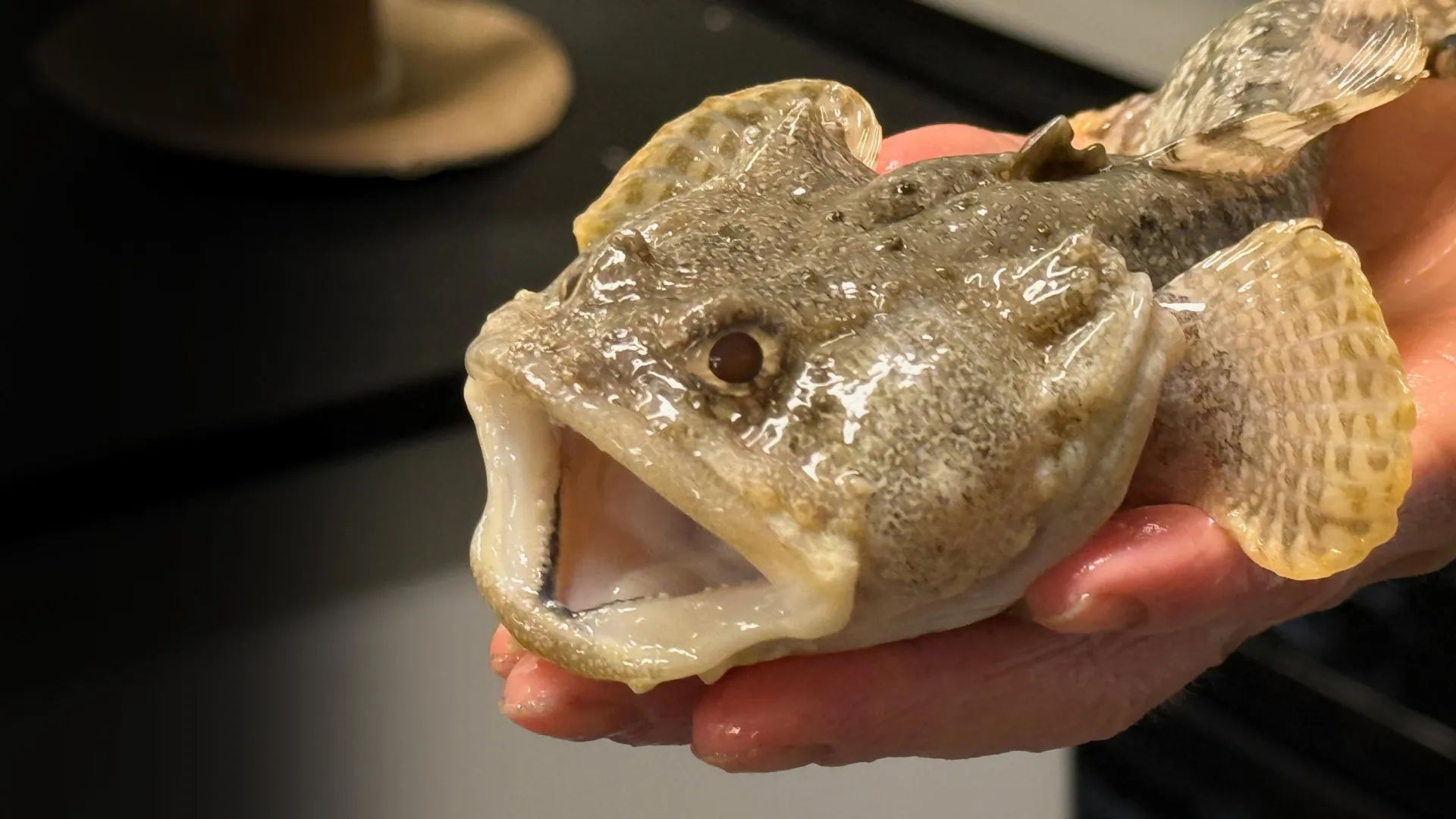
The ocean’s health may depend on a tiny microbe inside fish
A surprising new discovery suggests that tiny microbes living inside fish may be helping shape the chemistry of the world’s oceans. Scientists found evidence that
A surprising new discovery suggests that tiny microbes living inside fish may be helping shape the chemistry of the world’s oceans. Scientists found evidence that