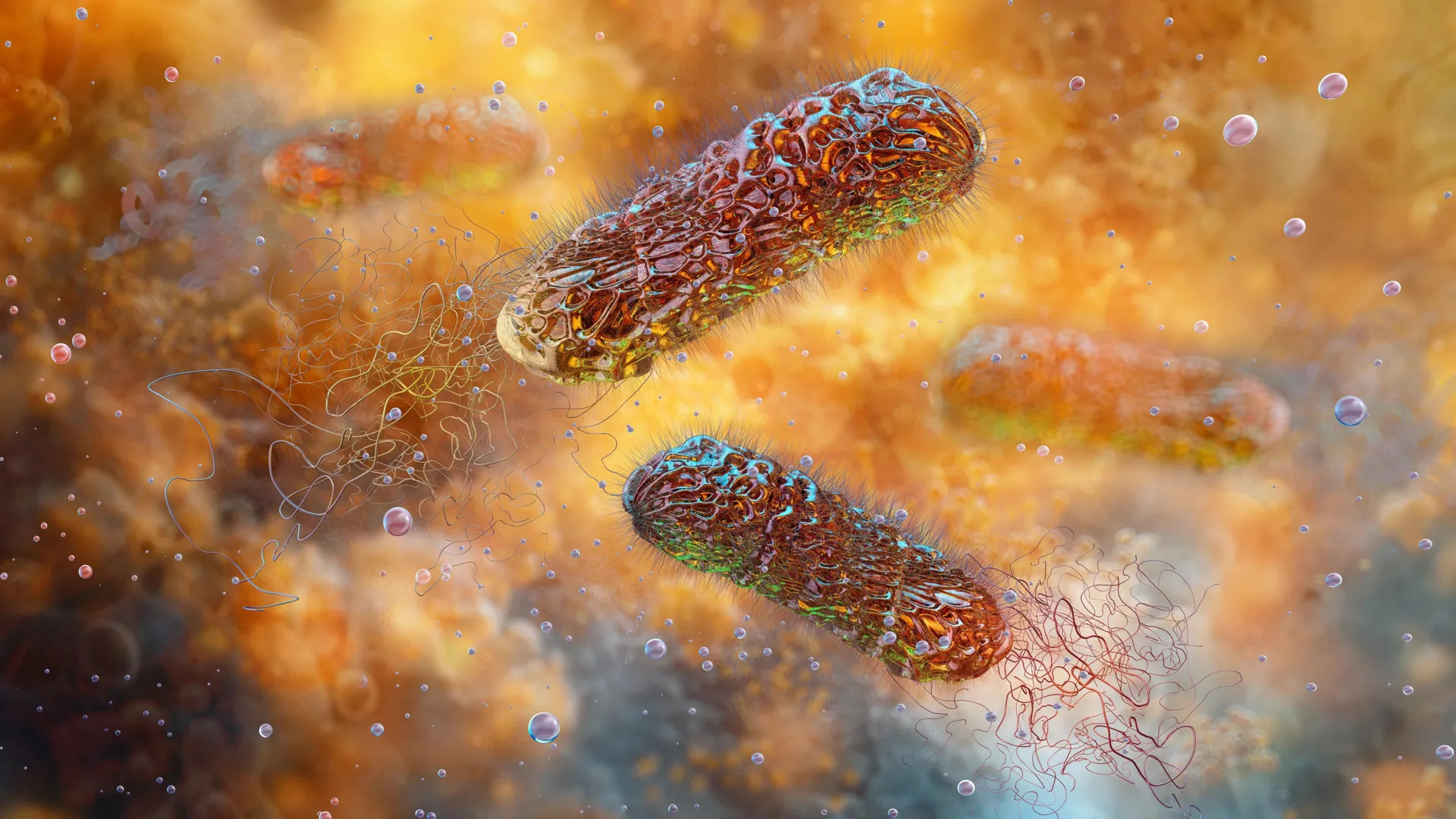
Scientists resurrected antimicrobial peptides from mammals that lived millions of years ago and found that some were more potent against drug-resistant bacteria than modern human versions. These evolutionary relics could provide new clues for designing treatments as antibiotic resistance becomes an increasingly serious threat.
Related Posts
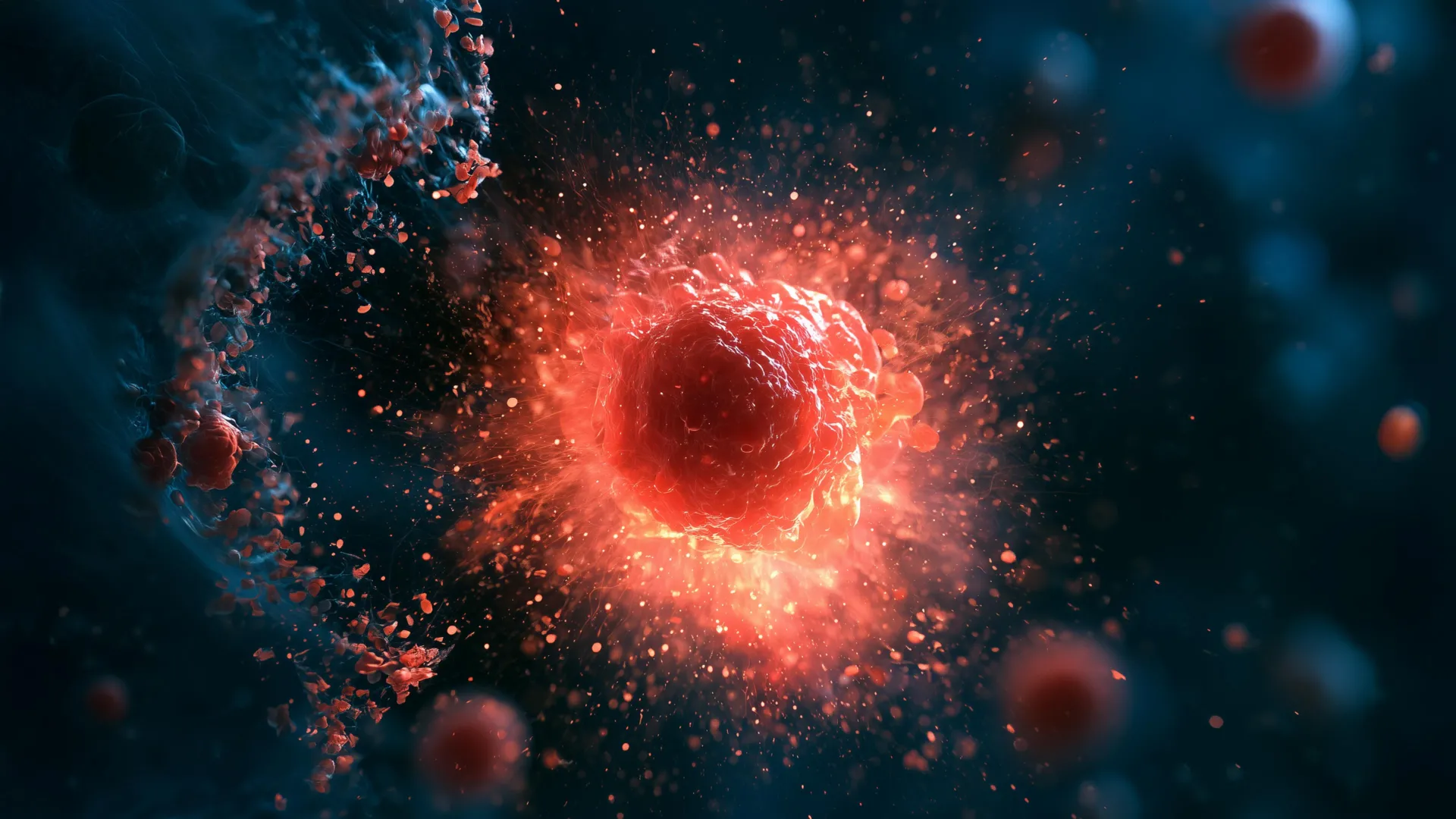
Stanford scientists discover immune cells that explode like microscopic bombs
Stanford researchers discovered immune cells in flatworms that explode within minutes, killing nearby bacteria and foreign cells before vanishing completely. Their unusually fast and localized
Stanford researchers discovered immune cells in flatworms that explode within minutes, killing nearby bacteria and foreign cells before vanishing completely. Their unusually fast and localized
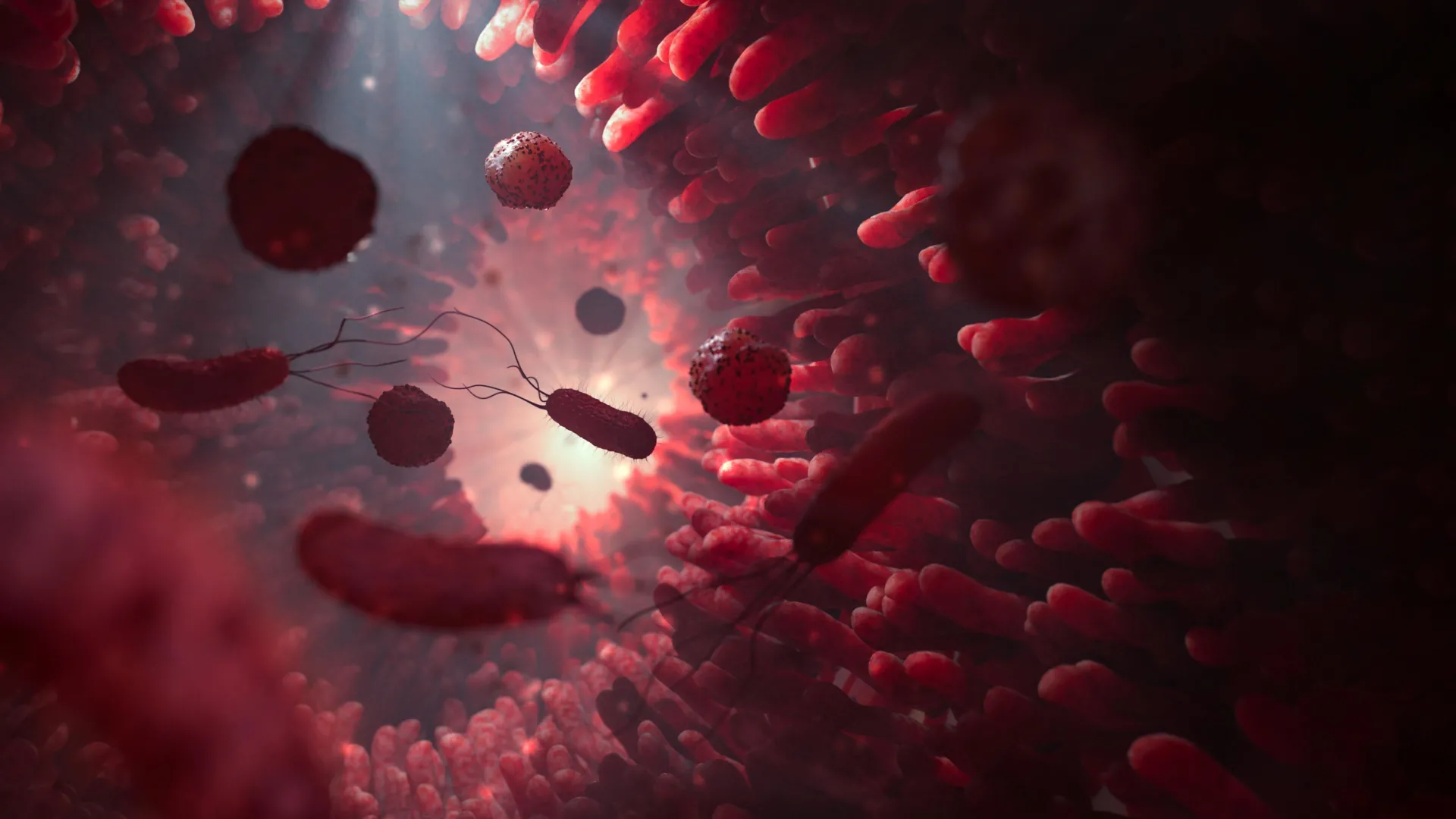
When gut microbes run low on fiber, they may start eating you
Gut microbes need something to eat, and when fiber is limited, they may begin consuming proteins from the mucus lining that protects the gut. Researchers
Gut microbes need something to eat, and when fiber is limited, they may begin consuming proteins from the mucus lining that protects the gut. Researchers

Nasa releases panoramic images revealing what a day on Mars looks like
The images offer a glimpse of what life (or lack thereof) is like on the Red Planet (Picture: Nasa) Nasa has published a brand new
The images offer a glimpse of what life (or lack thereof) is like on the Red Planet (Picture: Nasa) Nasa has published a brand new