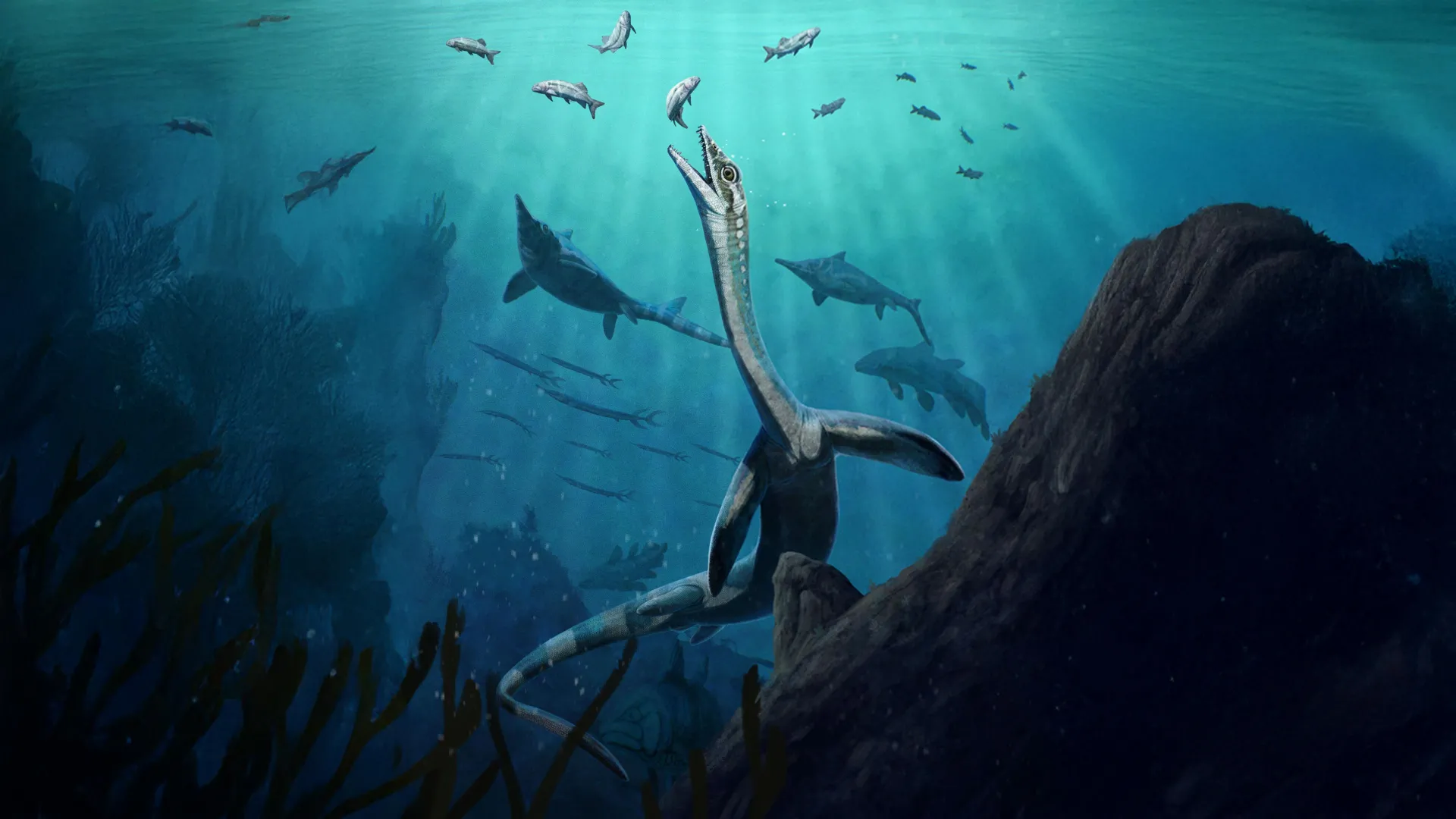
A 245-million-year-old marine reptile fossil preserves an astonishing amount of detail, including its stomach, liver, and intestines. The discovery reveals that Austronaga minuta was highly adapted for swimming even though its digestive system remained surprisingly simple.
Related Posts

Stanford scientists discover a seafood that can reverse signs of aging
A substance found in edible sea squirts appeared to reverse several signs of aging in older mice. Plasmalogen supplements improved memory and learning, strengthened connections
A substance found in edible sea squirts appeared to reverse several signs of aging in older mice. Plasmalogen supplements improved memory and learning, strengthened connections

The LHC just ruled out another hiding place for quantum black holes
Physicists searching through Large Hadron Collider data found no evidence that the machine has been producing microscopic quantum black holes, but the result sharply narrows
Physicists searching through Large Hadron Collider data found no evidence that the machine has been producing microscopic quantum black holes, but the result sharply narrows
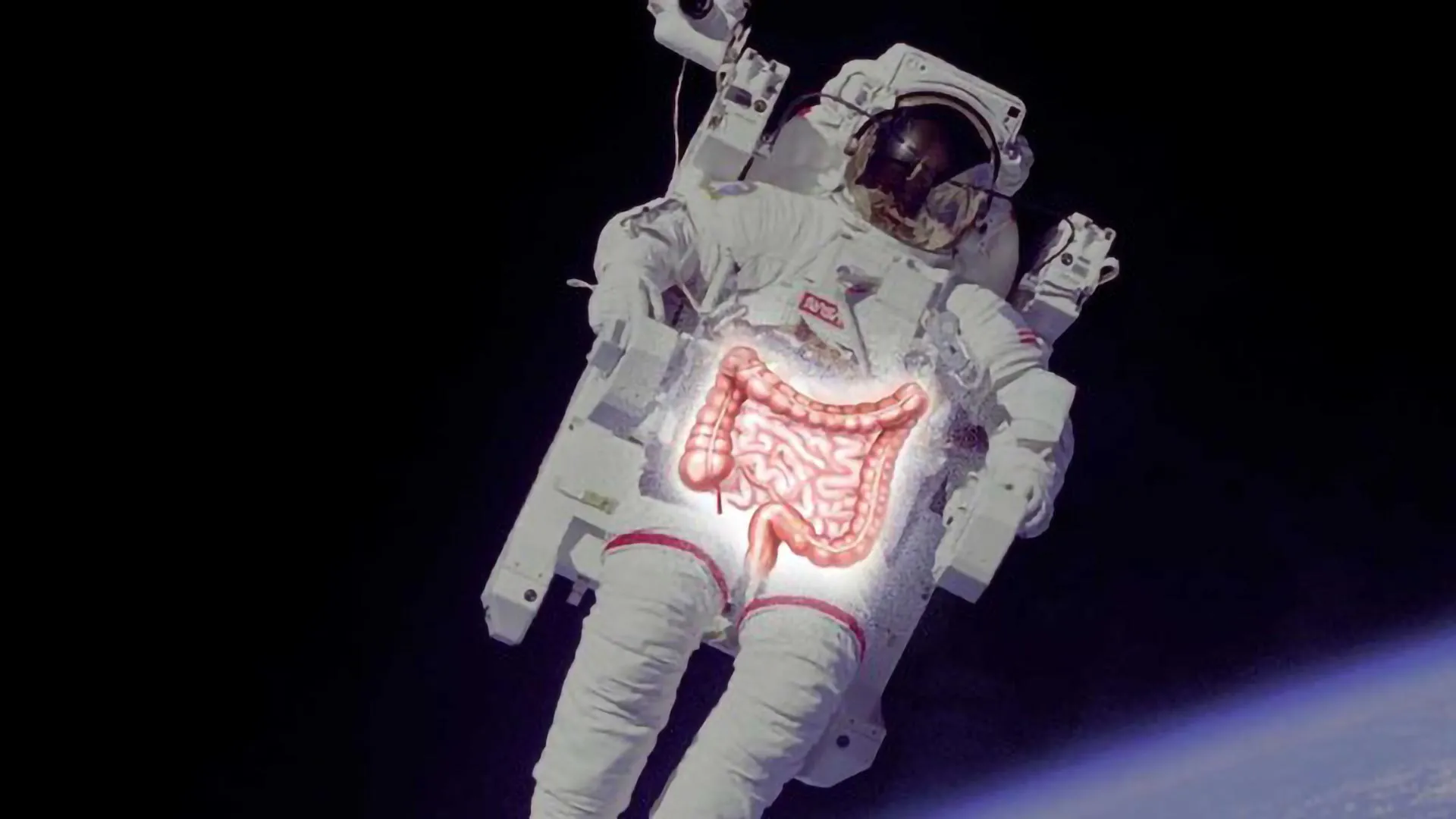
Blood tests reveal why astronauts get constipated in space
Spaceflight may dramatically change the gut within weeks, causing bacteria to break down more protein as food moves more slowly through the intestines. The shift
Spaceflight may dramatically change the gut within weeks, causing bacteria to break down more protein as food moves more slowly through the intestines. The shift