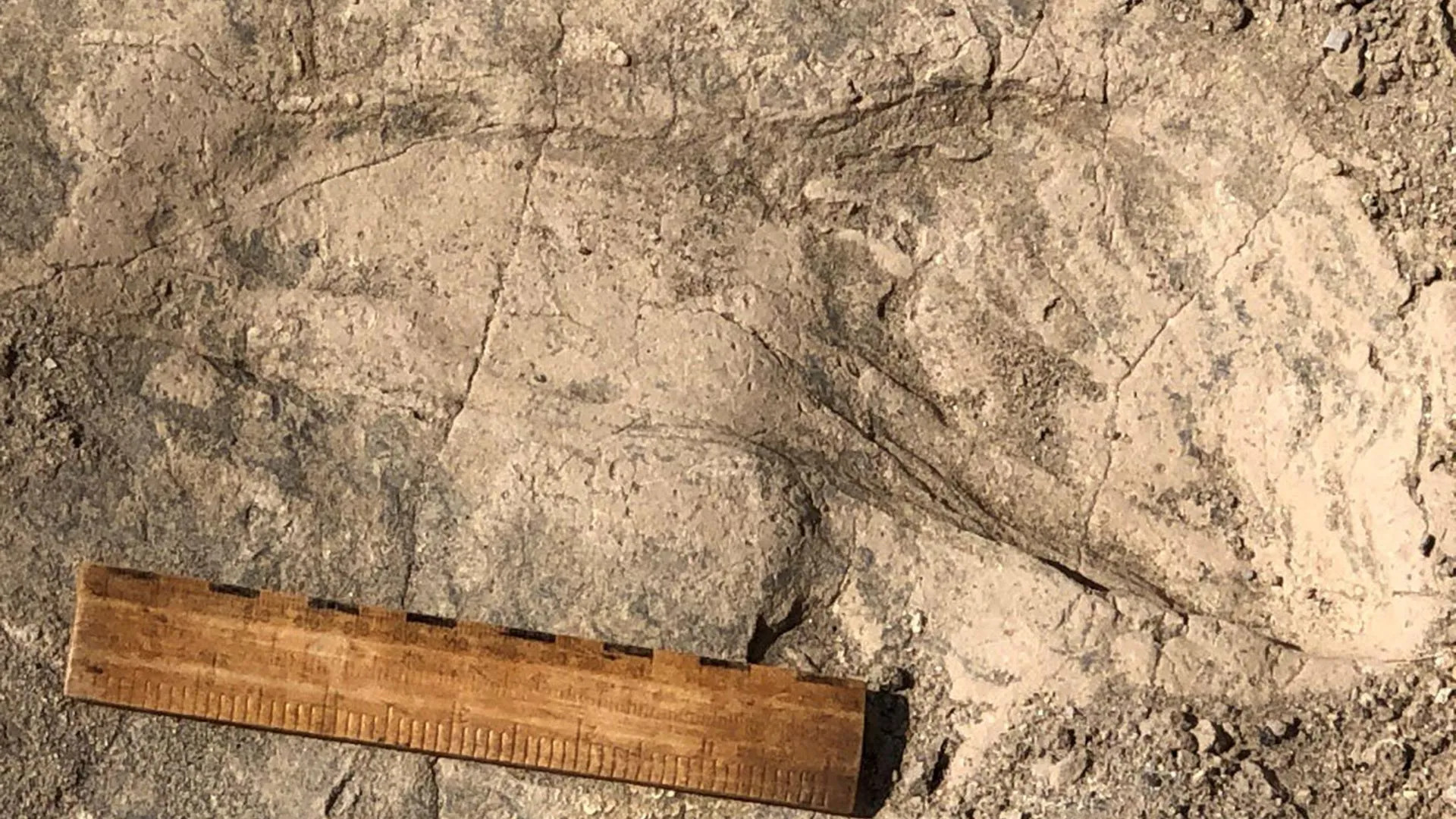
Ancient footprints in Kenya reveal that eight Paranthropus boisei may have traveled together 1.4 million years ago, with some individuals reaching surprisingly large, human-like body sizes. The tracks offer a rare glimpse of their social behavior and suggest these extinct human relatives may have lived in more complex groups than previously thought.
Related Posts

Common medications may change your gut for years
Common medications may reshape the gut microbiome long after the last dose is taken. In a study of more than 2,500 people, researchers found lasting
Common medications may reshape the gut microbiome long after the last dose is taken. In a study of more than 2,500 people, researchers found lasting

Depression may shut down the brain’s ability to make new neurons
A major study found that adults with depression show disrupted production of new neurons in the hippocampus, potentially weakening the brain’s ability to separate new
A major study found that adults with depression show disrupted production of new neurons in the hippocampus, potentially weakening the brain’s ability to separate new
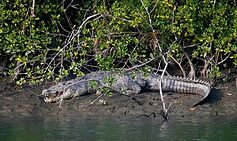
Crocodile eats half of mum’s body as she screams for help
Suchitra Das, 48, was bathing in the Brahmani River near Damodarapatana village in Odisha, eastern India, when the huge reptile suddenly surfaced
Suchitra Das, 48, was bathing in the Brahmani River near Damodarapatana village in Odisha, eastern India, when the huge reptile suddenly surfaced