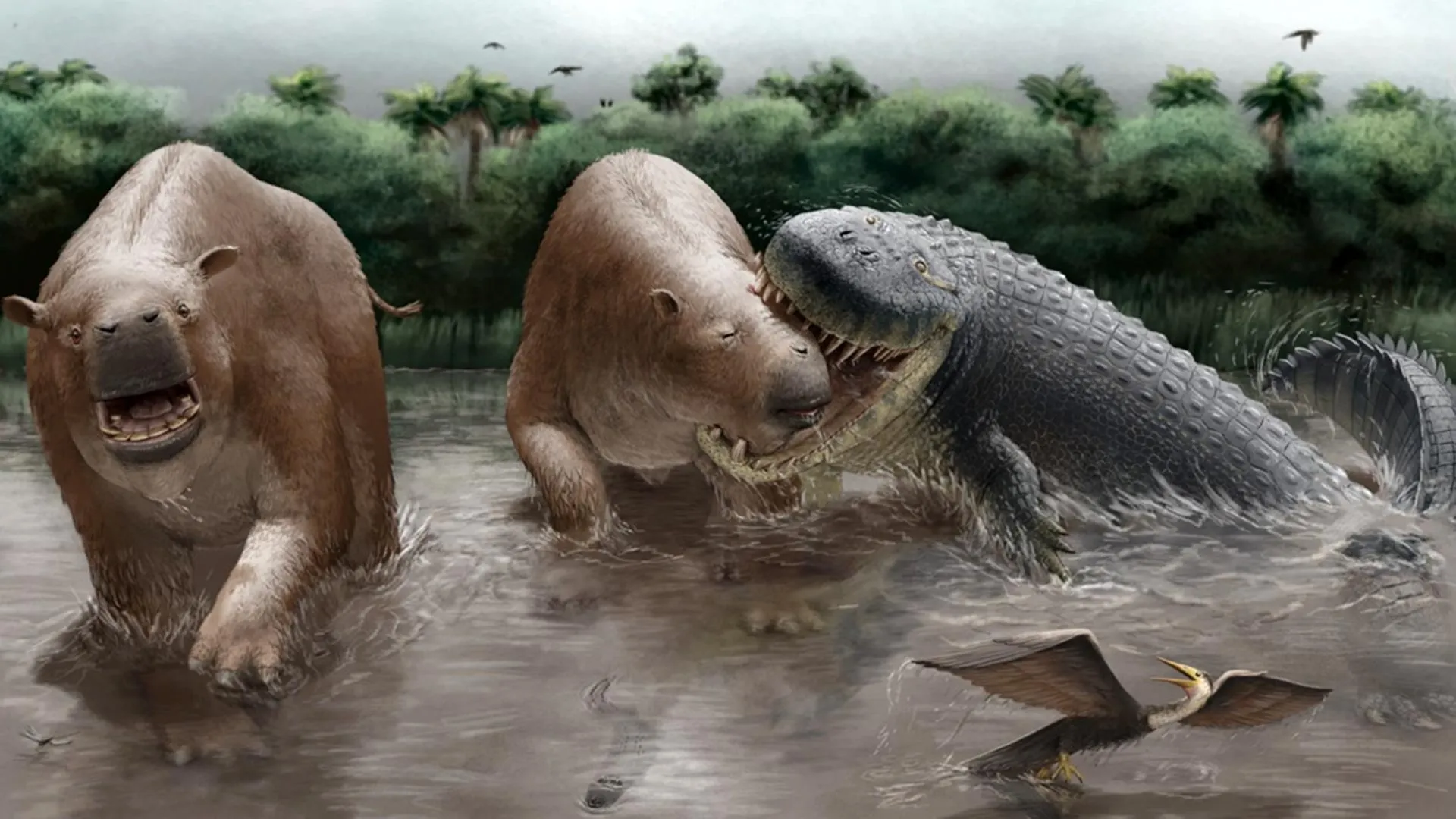
Miocene South America was packed with giant prey—and the predators hunting them were just as spectacular. Fossil bite marks suggest crocodylians, especially the enormous Purussaurus neivensis, were more important predators than mammals in this ancient tropical ecosystem. At around seven meters long, Purussaurus may even have helped control populations of giant herbivores.
Related Posts

Scientists find evidence for two origins of life on Earth
Scientists probing life’s deepest origins have uncovered evidence that the first free-living cells may have emerged not once, but twice. The findings suggest a striking
Scientists probing life’s deepest origins have uncovered evidence that the first free-living cells may have emerged not once, but twice. The findings suggest a striking
Why Privacy Experts Are Worried About Google’s New AI Inbox Feature — And How To Opt Out
“Features like this are a good reminder that email tends not to be terribly private to begin with,” one expert said.
“Features like this are a good reminder that email tends not to be terribly private to begin with,” one expert said.
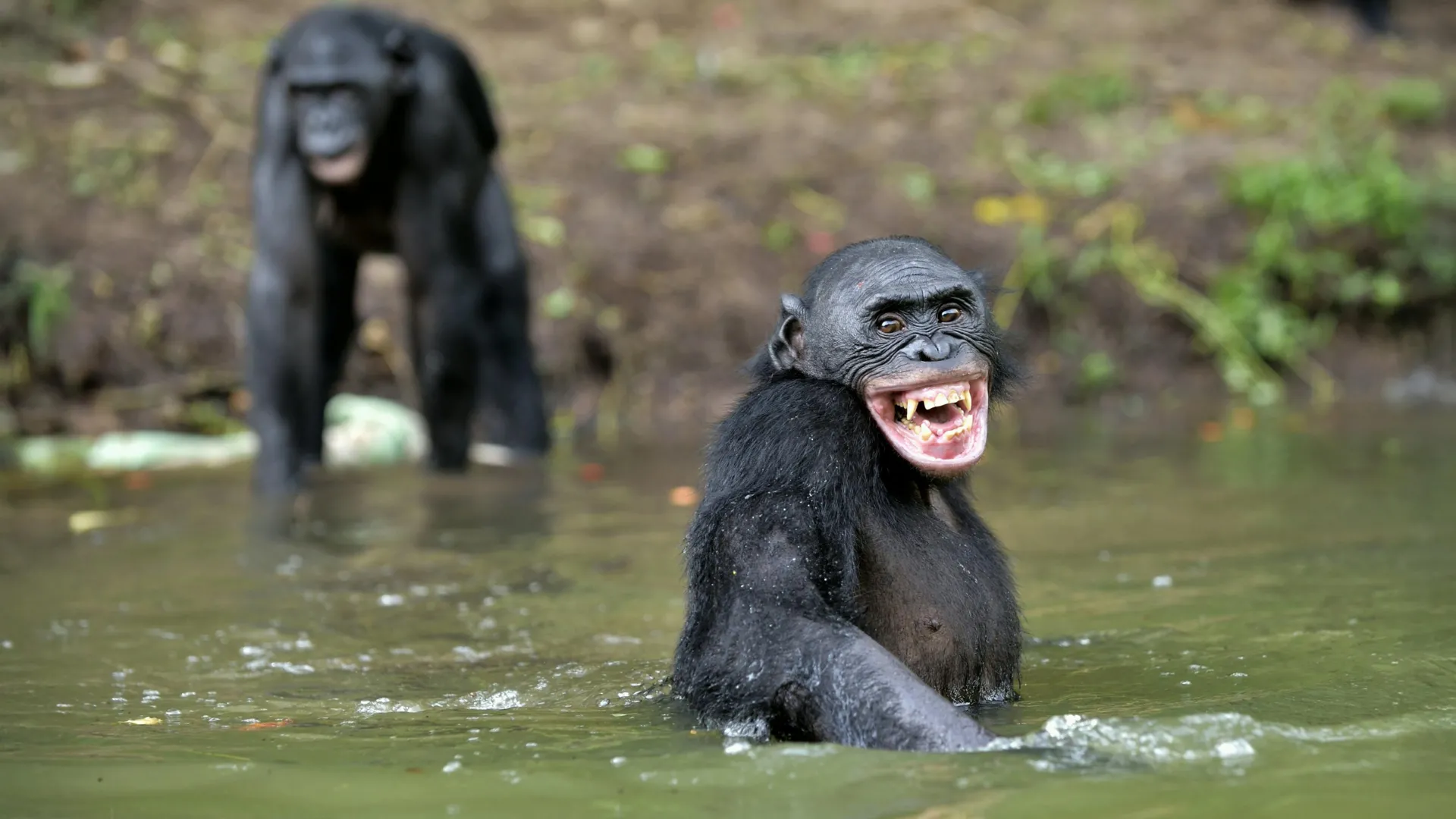
Great ape laughter reveals a hidden origin of human speech
The rhythm of human laughter appears to have deep evolutionary roots shared with chimpanzees, bonobos, gorillas, and orangutans. That ancient pattern may offer one of
The rhythm of human laughter appears to have deep evolutionary roots shared with chimpanzees, bonobos, gorillas, and orangutans. That ancient pattern may offer one of