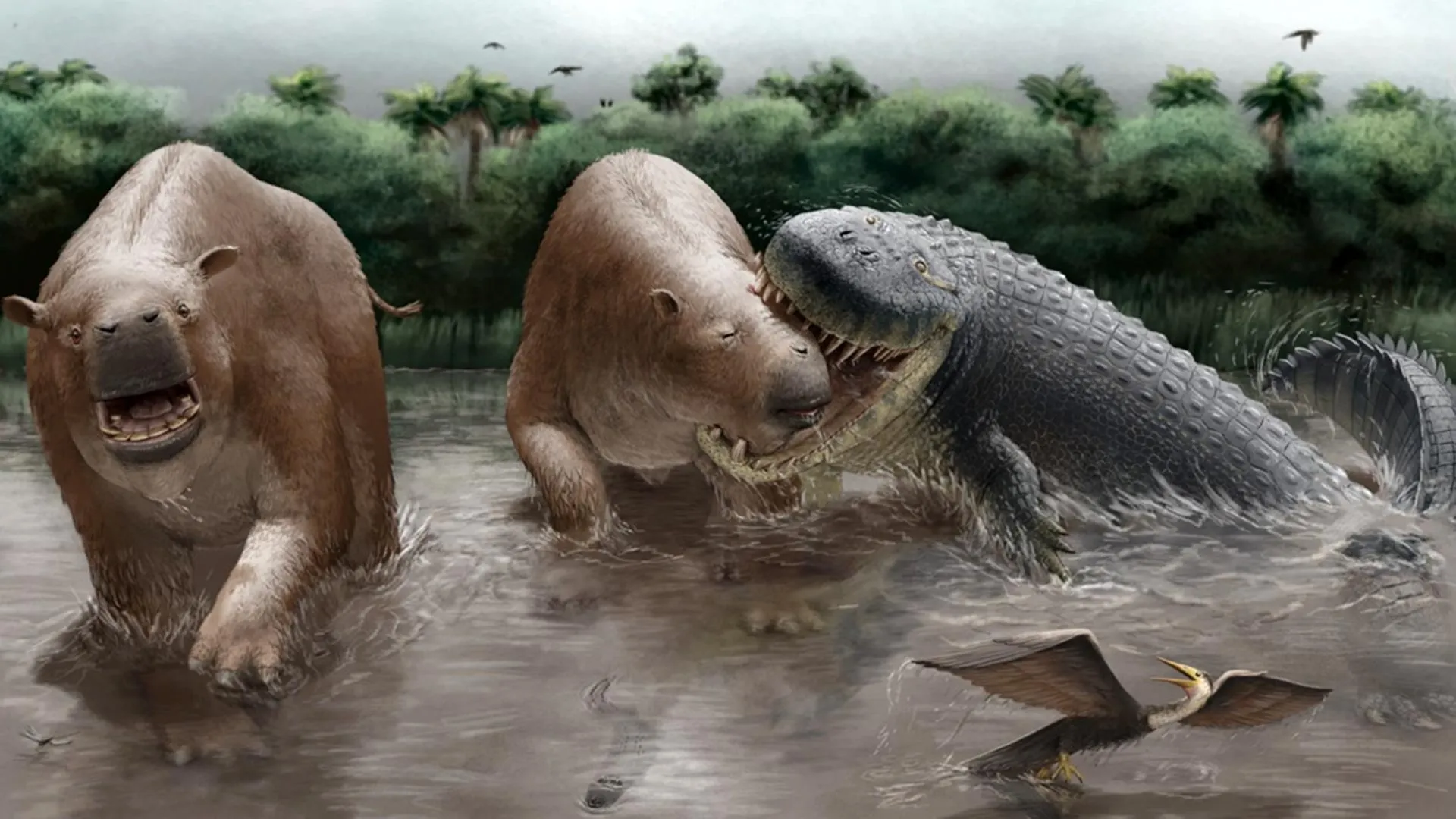
Miocene South America was packed with giant prey—and the predators hunting them were just as spectacular. Fossil bite marks suggest crocodylians, especially the enormous Purussaurus neivensis, were more important predators than mammals in this ancient tropical ecosystem. At around seven meters long, Purussaurus may even have helped control populations of giant herbivores.
Related Posts
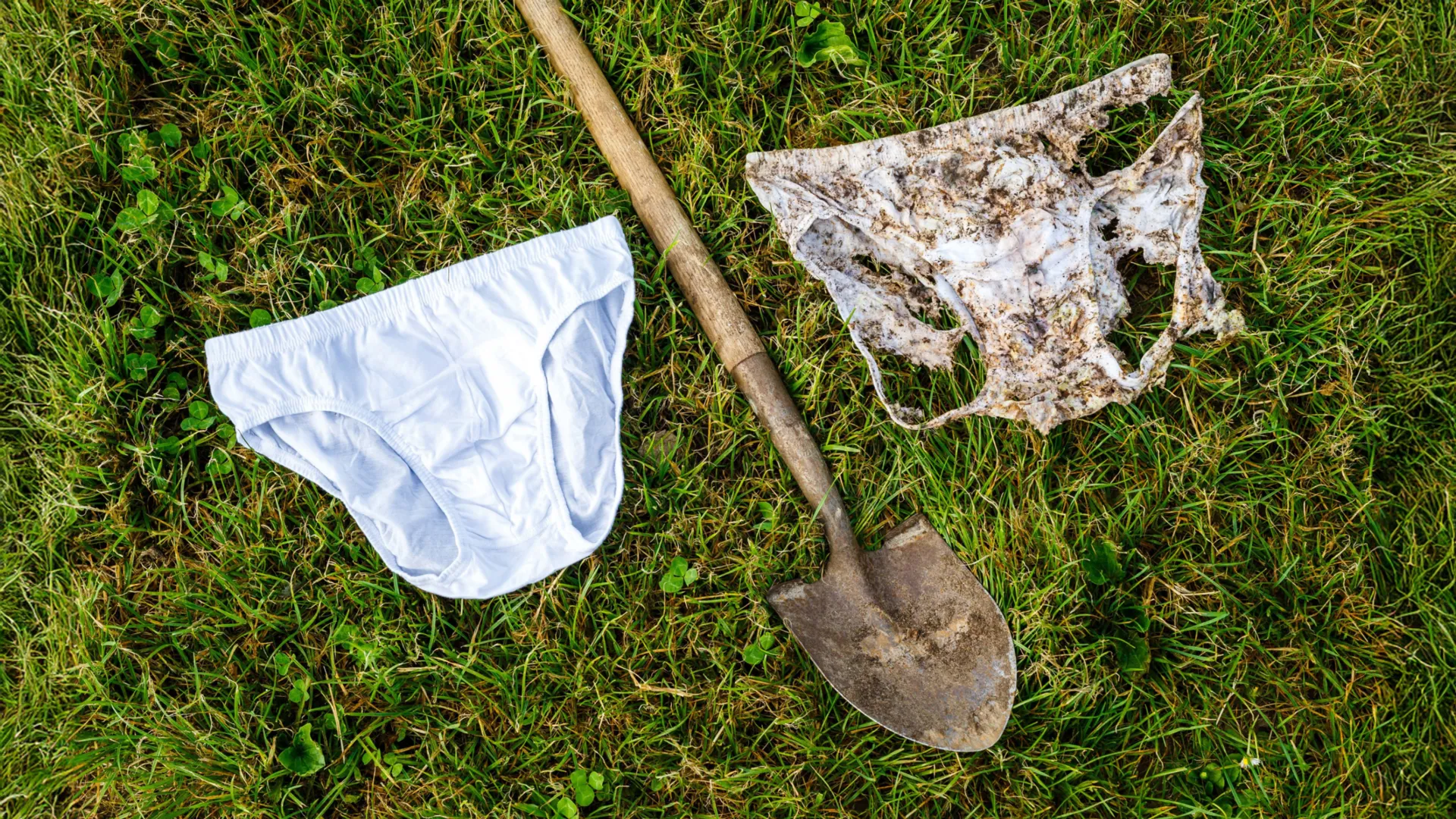
Why scientists asked 1,000 people to bury their underwear
More than 1,000 volunteers buried cotton underwear across Switzerland to help scientists measure how active different soils are. The faster the fabric disappeared, the more
More than 1,000 volunteers buried cotton underwear across Switzerland to help scientists measure how active different soils are. The faster the fabric disappeared, the more

Scientists say love follows hidden mathematical rules
Could math help explain why some relationships survive life’s inevitable stresses while others slowly fall apart? Researchers have spent decades developing mathematical models that treat
Could math help explain why some relationships survive life’s inevitable stresses while others slowly fall apart? Researchers have spent decades developing mathematical models that treat
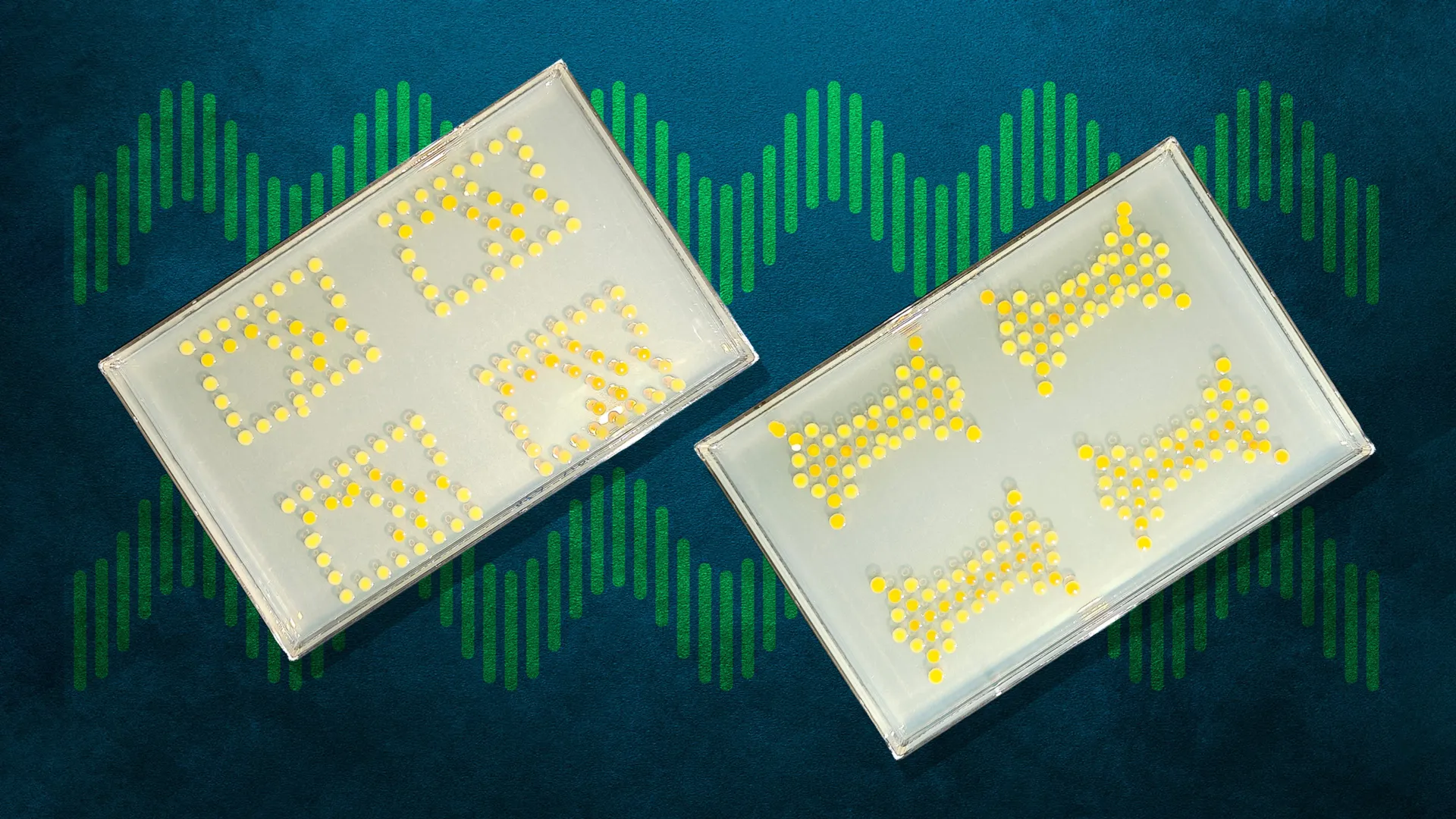
MIT turns bacteria into living transistors
MIT researchers have created bacterial “transistors” that can be wired together into living circuits capable of performing calculations and directing chemical signals. One day, these
MIT researchers have created bacterial “transistors” that can be wired together into living circuits capable of performing calculations and directing chemical signals. One day, these