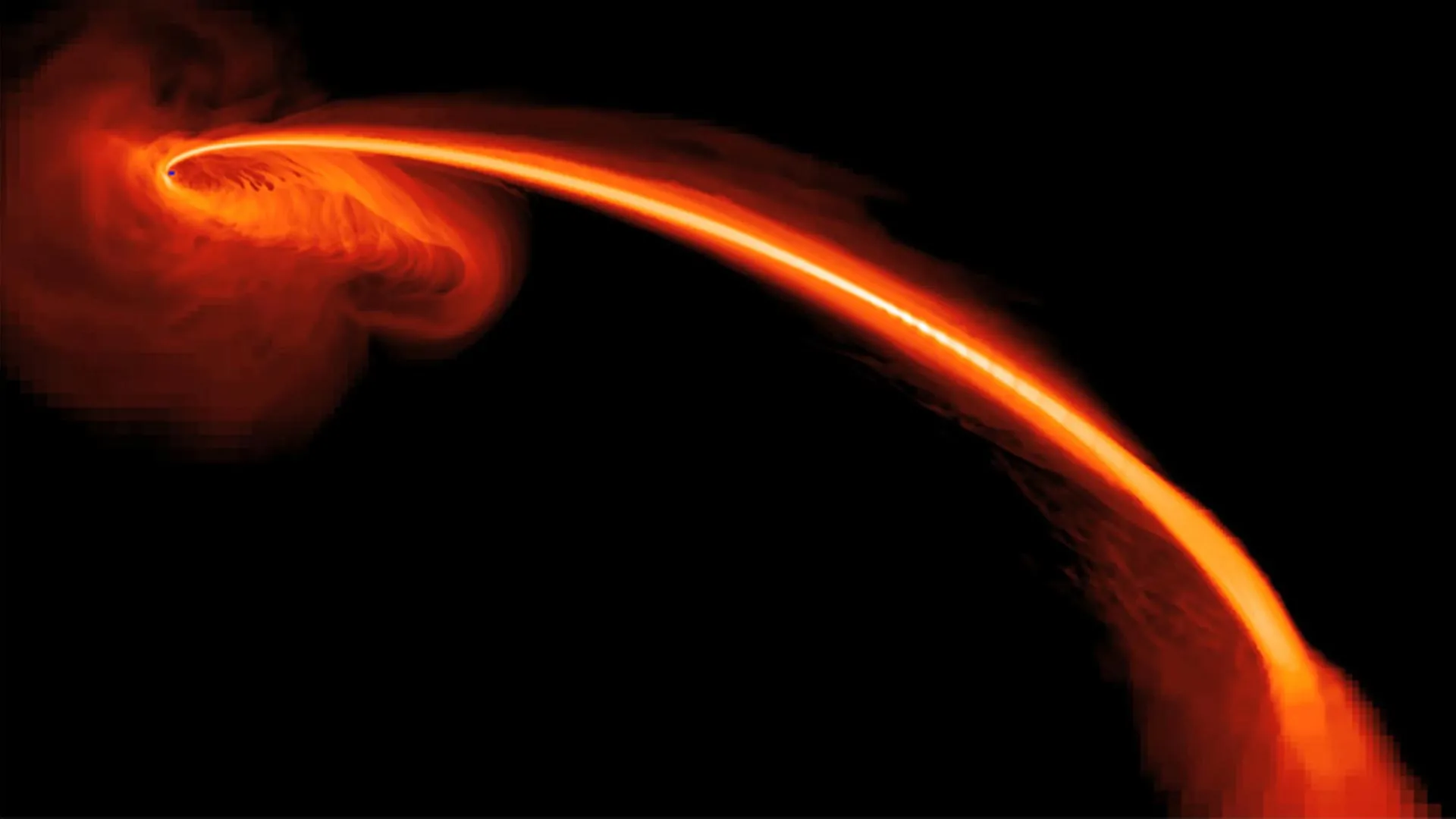
Astronomers have found stars that repeatedly skim past supermassive black holes, surviving each encounter while producing a new burst of light. In some systems, those flares mysteriously fade with every return. Researchers now think the key may be stars that were already spinning extremely fast before being captured. That rapid rotation could explain both the fading flares and how the stars ended up in such extraordinarily tight black hole orbits.
Related Posts

Scientists find evidence for two origins of life on Earth
Scientists probing life’s deepest origins have uncovered evidence that the first free-living cells may have emerged not once, but twice. The findings suggest a striking
Scientists probing life’s deepest origins have uncovered evidence that the first free-living cells may have emerged not once, but twice. The findings suggest a striking

World’s most boring festival is full of ‘unexceptional’ cars
The Festival of the Unexceptional features 2,500 cars which were all manufactured between 25 and 50 years ago (Picture: Chris Lowndes/Cover Media) It’s the event
The Festival of the Unexceptional features 2,500 cars which were all manufactured between 25 and 50 years ago (Picture: Chris Lowndes/Cover Media) It’s the event
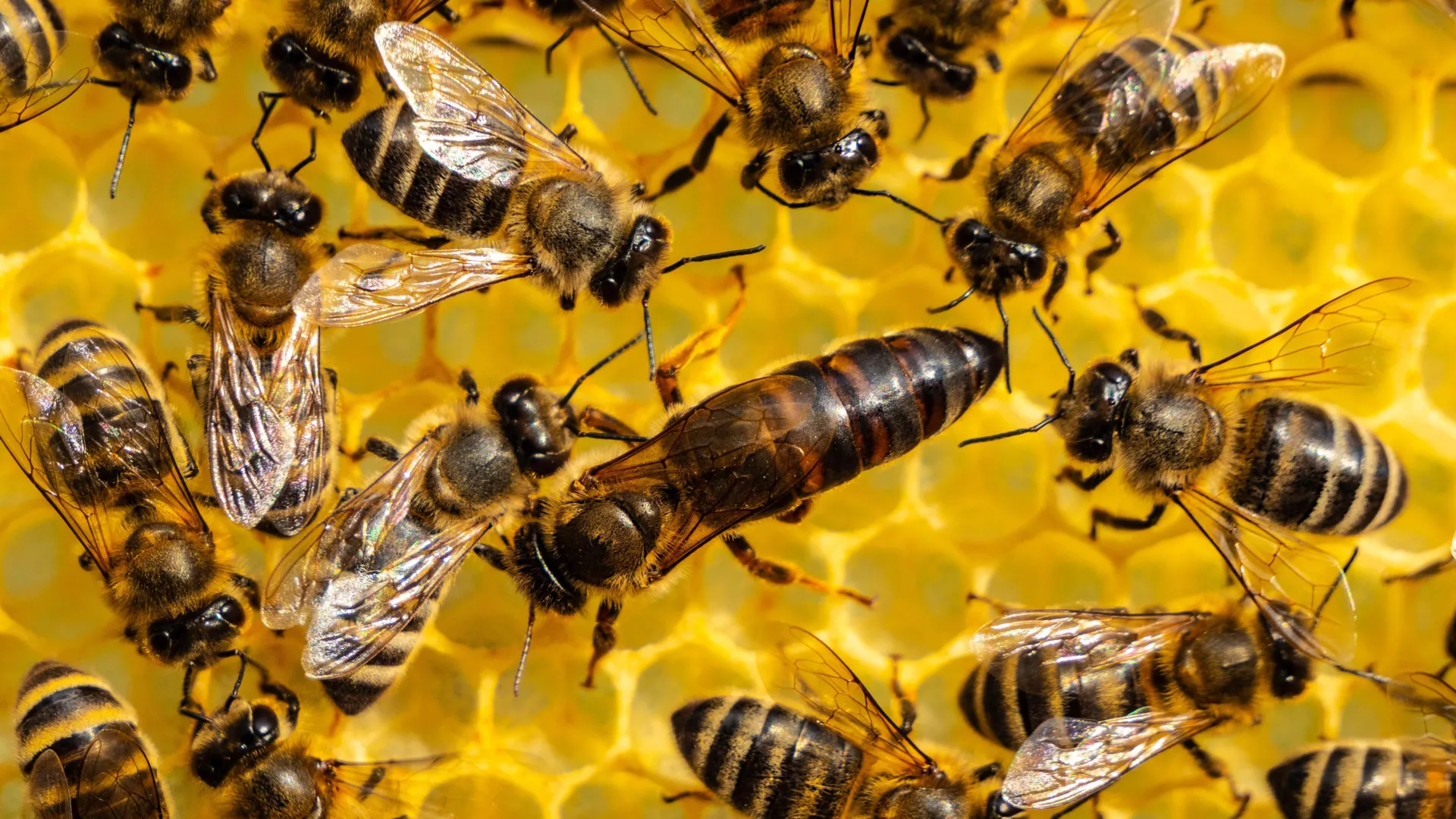
A 60-year-old theory about ants, bees and wasps may be wrong
Scientists have long thought an unusual genetic system helped ants, bees, and wasps evolve their extraordinary social colonies. A massive new analysis suggests that genetics
Scientists have long thought an unusual genetic system helped ants, bees, and wasps evolve their extraordinary social colonies. A massive new analysis suggests that genetics