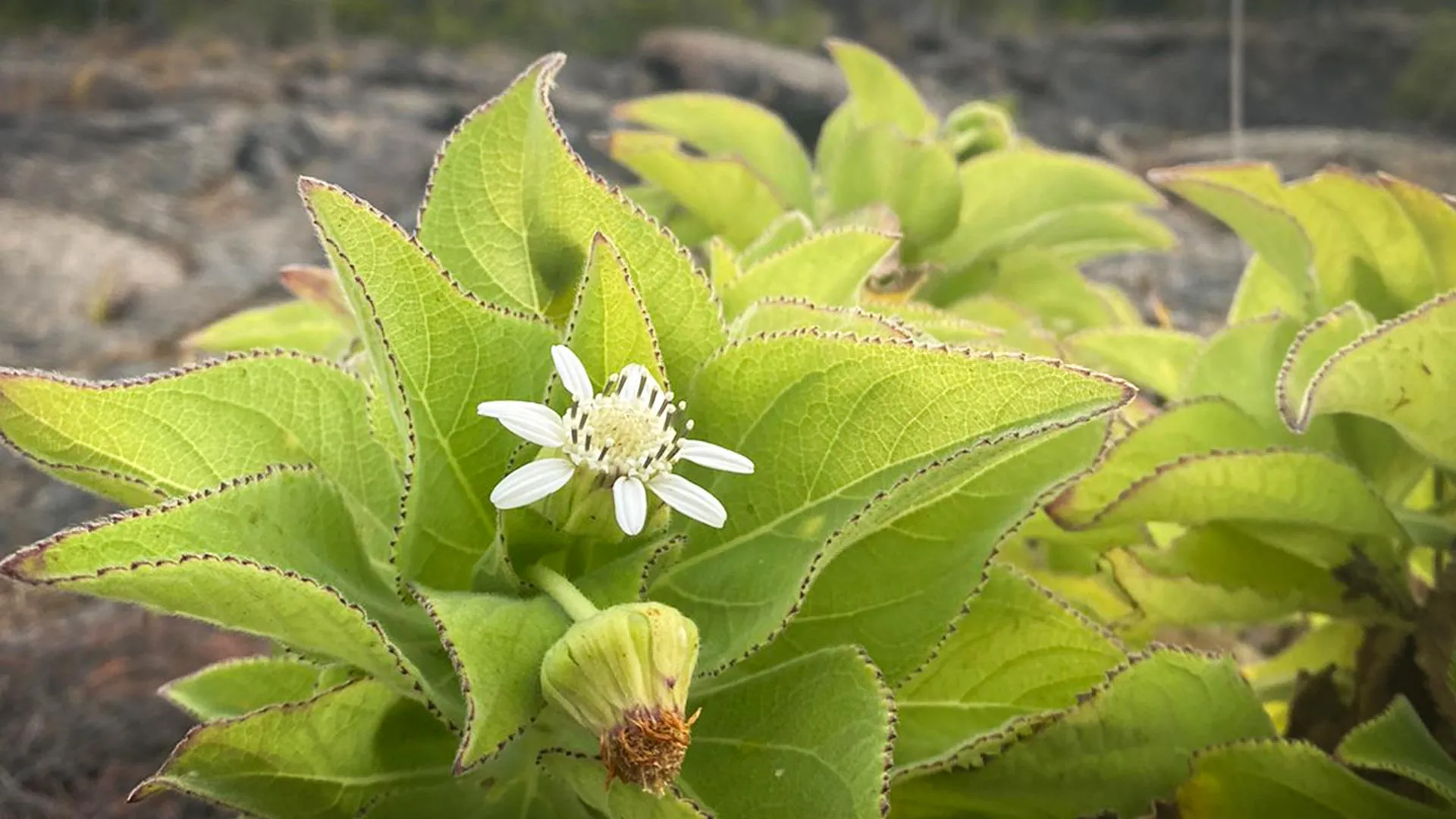
More than 150 years after Darwin’s finches helped reshape biology, Galápagos plants are exposing another evolutionary surprise. Giant daisies repeatedly developed similar heat-tolerant leaf shapes, but each lineage used a different combination of genes. Researchers also found major genetic differences among isolated populations, suggesting new species may be forming right now.
Related Posts
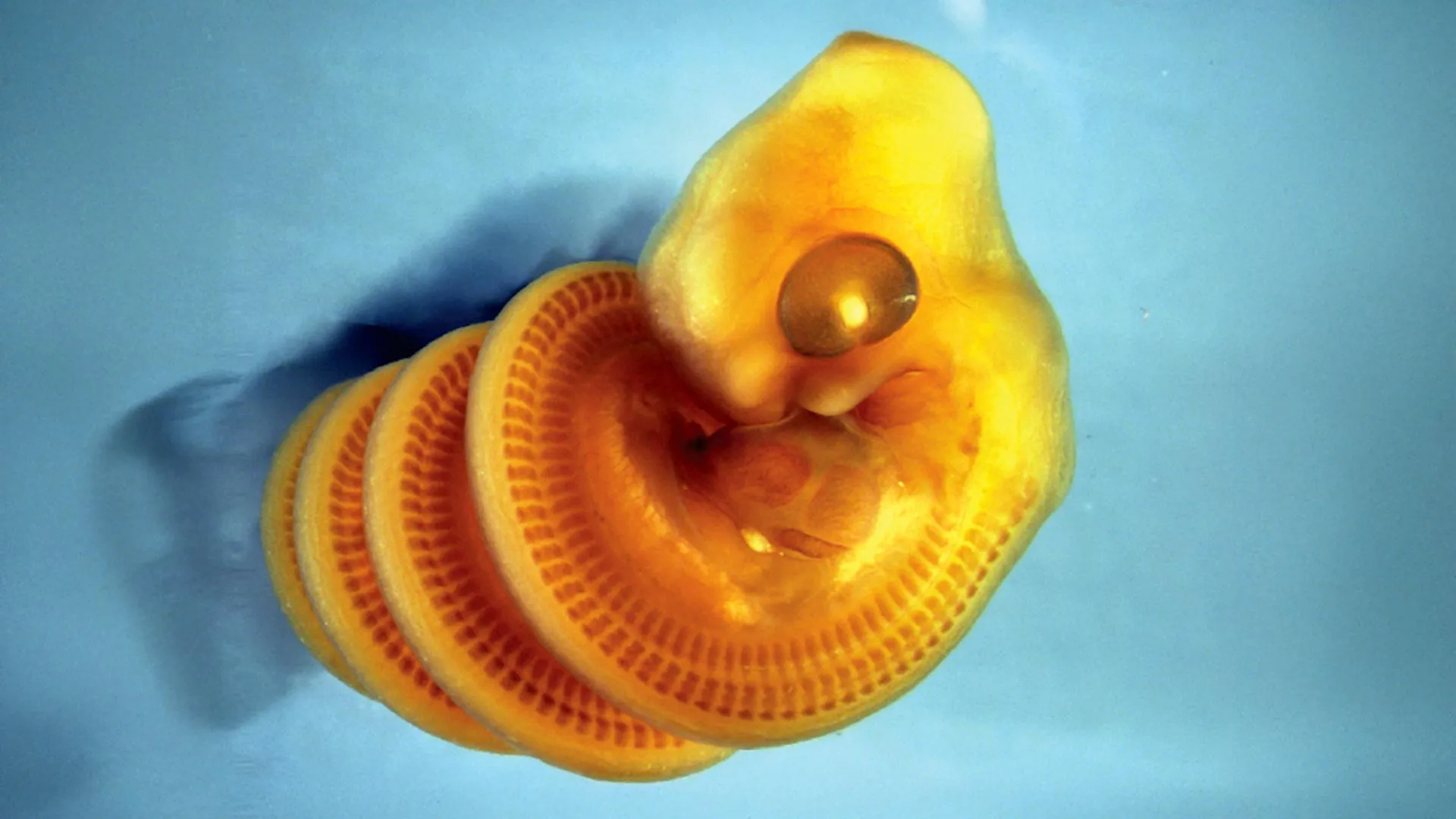
Scientists discover why snake embryos twist into spirals
Snake embryos begin life curled into a distinctive right-handed spiral, and scientists may finally know why. Their bodies grow faster than their guts, creating a
Snake embryos begin life curled into a distinctive right-handed spiral, and scientists may finally know why. Their bodies grow faster than their guts, creating a


Depression may shut down the brain’s ability to make new neurons
A major study found that adults with depression show disrupted production of new neurons in the hippocampus, potentially weakening the brain’s ability to separate new
A major study found that adults with depression show disrupted production of new neurons in the hippocampus, potentially weakening the brain’s ability to separate new