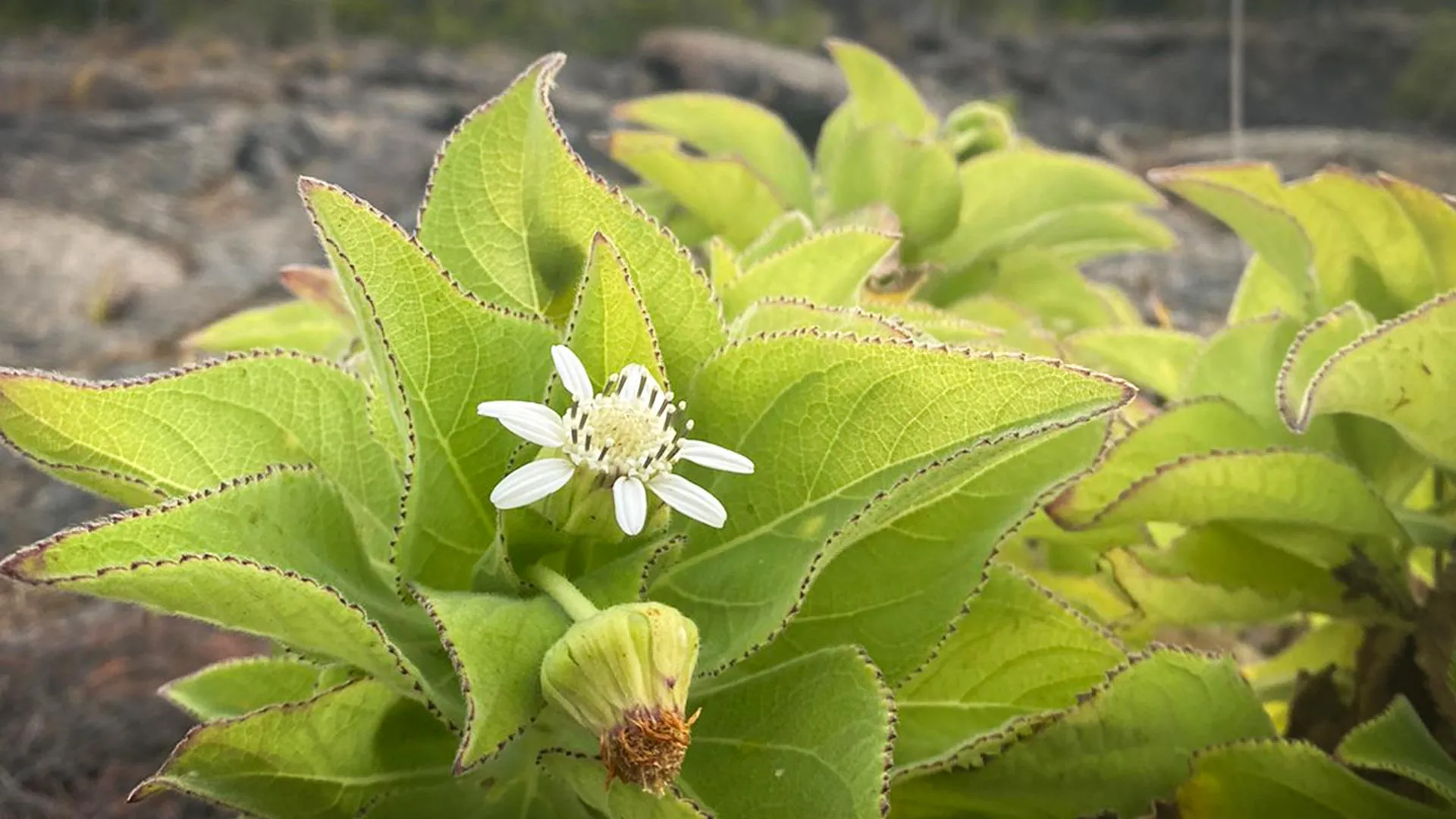
More than 150 years after Darwin’s finches helped reshape biology, Galápagos plants are exposing another evolutionary surprise. Giant daisies repeatedly developed similar heat-tolerant leaf shapes, but each lineage used a different combination of genes. Researchers also found major genetic differences among isolated populations, suggesting new species may be forming right now.
Related Posts

Tooth count may predict survival after pancreatic cancer surgery
Pancreatic cancer patients with at least 21 natural teeth survived nearly two years longer after surgery than those with fewer teeth in a study of
Pancreatic cancer patients with at least 21 natural teeth survived nearly two years longer after surgery than those with fewer teeth in a study of

What you eat before age 2 may affect your health 70 years later
Britain’s postwar sugar rationing created a rare natural experiment that let researchers examine how early sugar exposure might affect health decades later. People who experienced
Britain’s postwar sugar rationing created a rare natural experiment that let researchers examine how early sugar exposure might affect health decades later. People who experienced
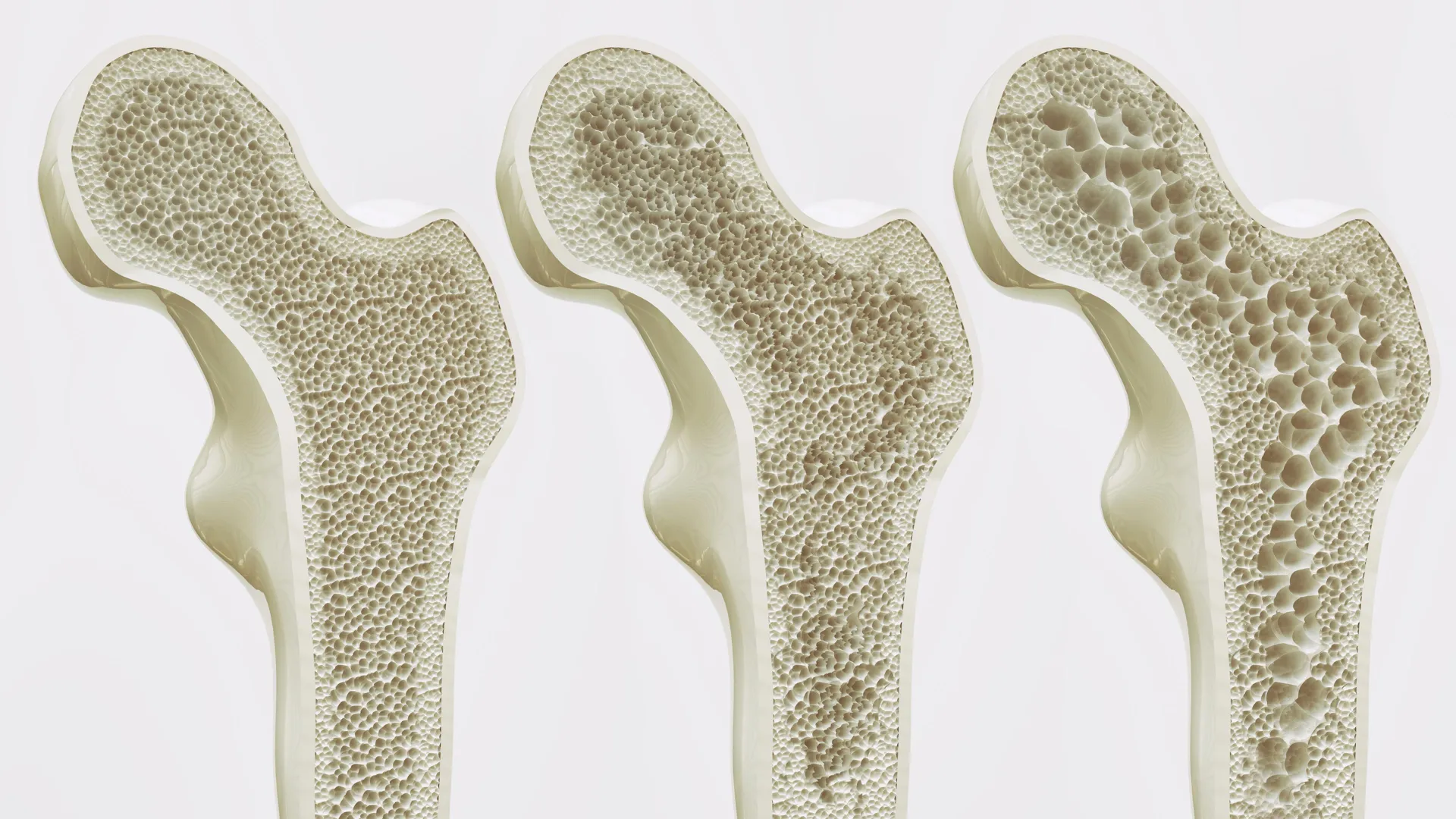
Too much coffee may weaken bones, study finds
Following nearly 10,000 older women for 10 years, researchers found that tea drinking was associated with slightly higher hip bone density. Moderate coffee consumption did
Following nearly 10,000 older women for 10 years, researchers found that tea drinking was associated with slightly higher hip bone density. Moderate coffee consumption did