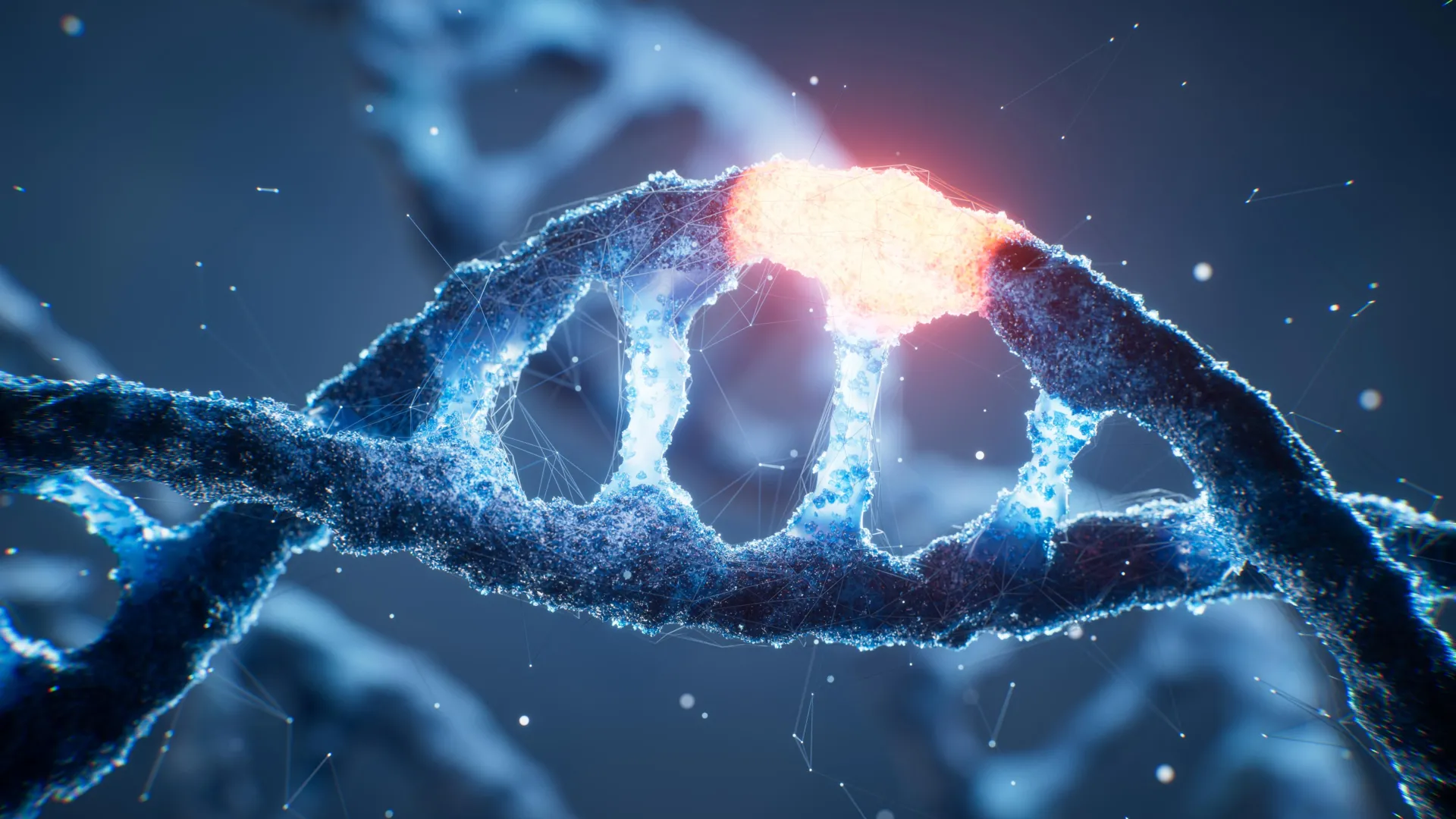
Researchers at UC San Diego have demonstrated that a key cellular enzyme can accurately read an eight-letter genetic alphabet, doubling the four letters used by all known life on Earth. Detailed imaging revealed that RNA polymerase handles synthetic DNA letters in surprisingly similar ways to natural ones. The finding brings scientists closer to building expanded genetic systems that could perform entirely new biological functions.
Related Posts
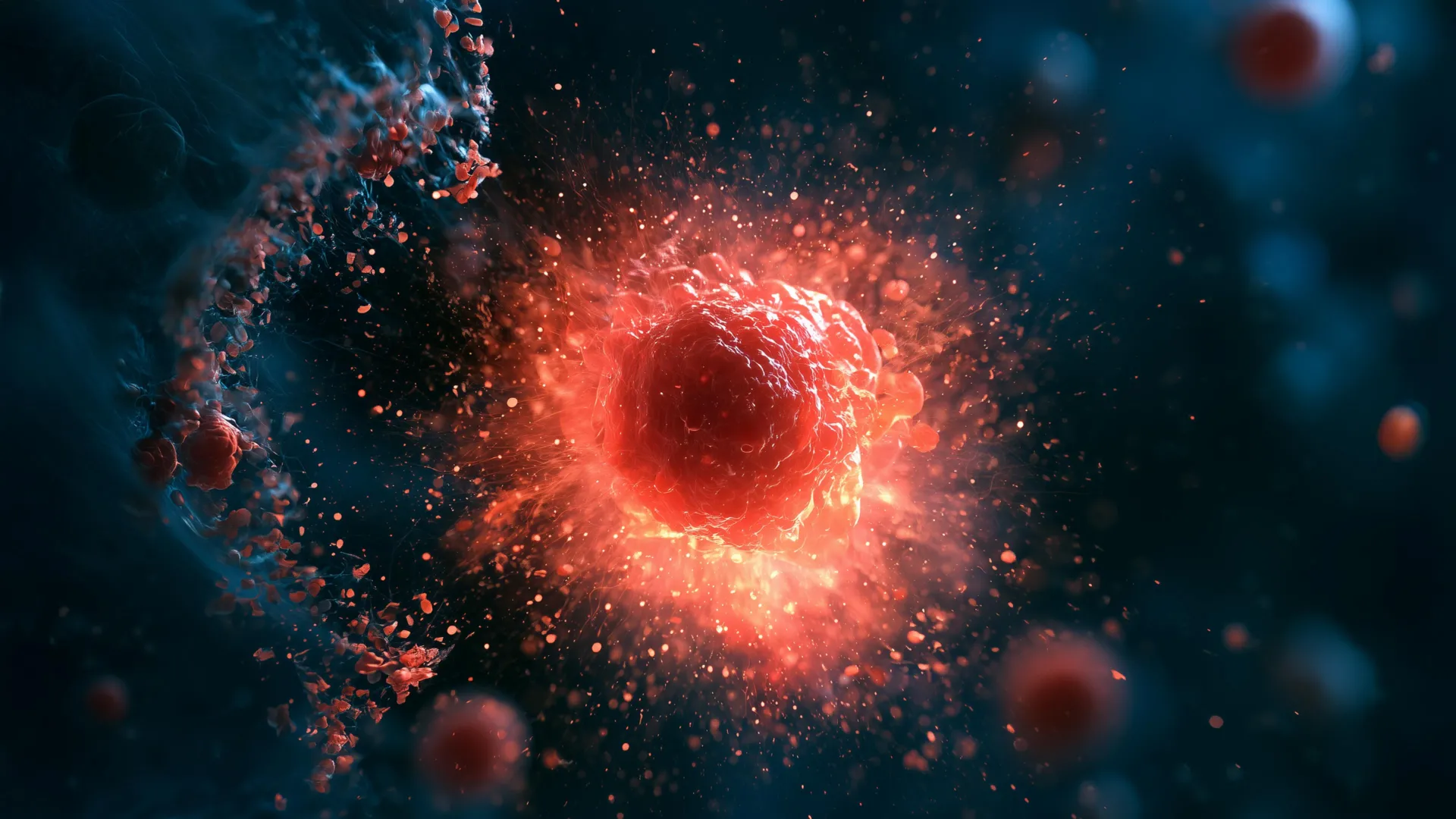
Stanford scientists discover immune cells that explode like microscopic bombs
Stanford researchers discovered immune cells in flatworms that explode within minutes, killing nearby bacteria and foreign cells before vanishing completely. Their unusually fast and localized
Stanford researchers discovered immune cells in flatworms that explode within minutes, killing nearby bacteria and foreign cells before vanishing completely. Their unusually fast and localized
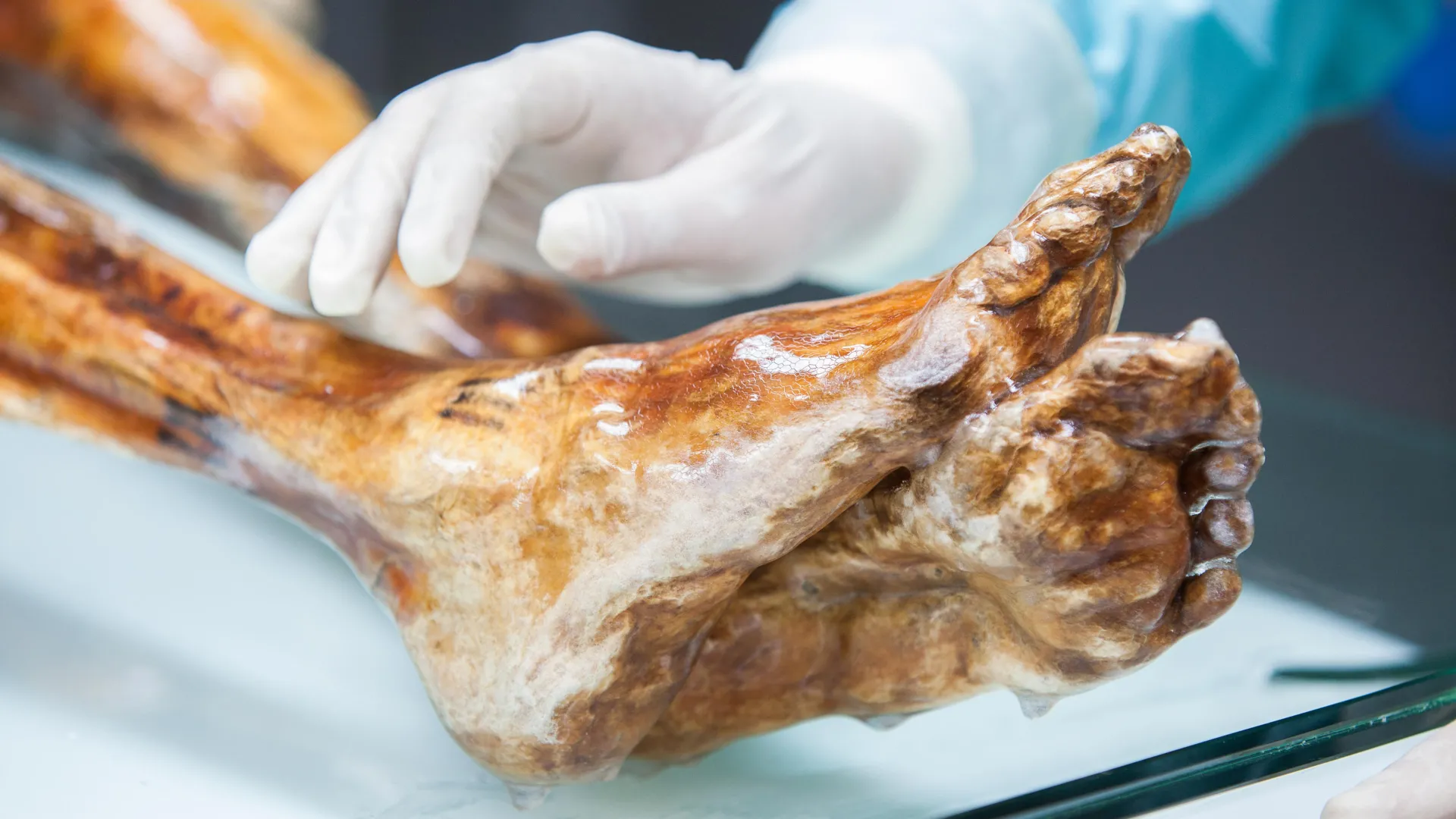
Scientists find unexpected life on Ötzi the Iceman’s 5,300-year-old body
More than 5,000 years after his death, Ötzi the Iceman is still hosting a remarkable mix of ancient and modern microorganisms. Researchers separated microbes that
More than 5,000 years after his death, Ötzi the Iceman is still hosting a remarkable mix of ancient and modern microorganisms. Researchers separated microbes that
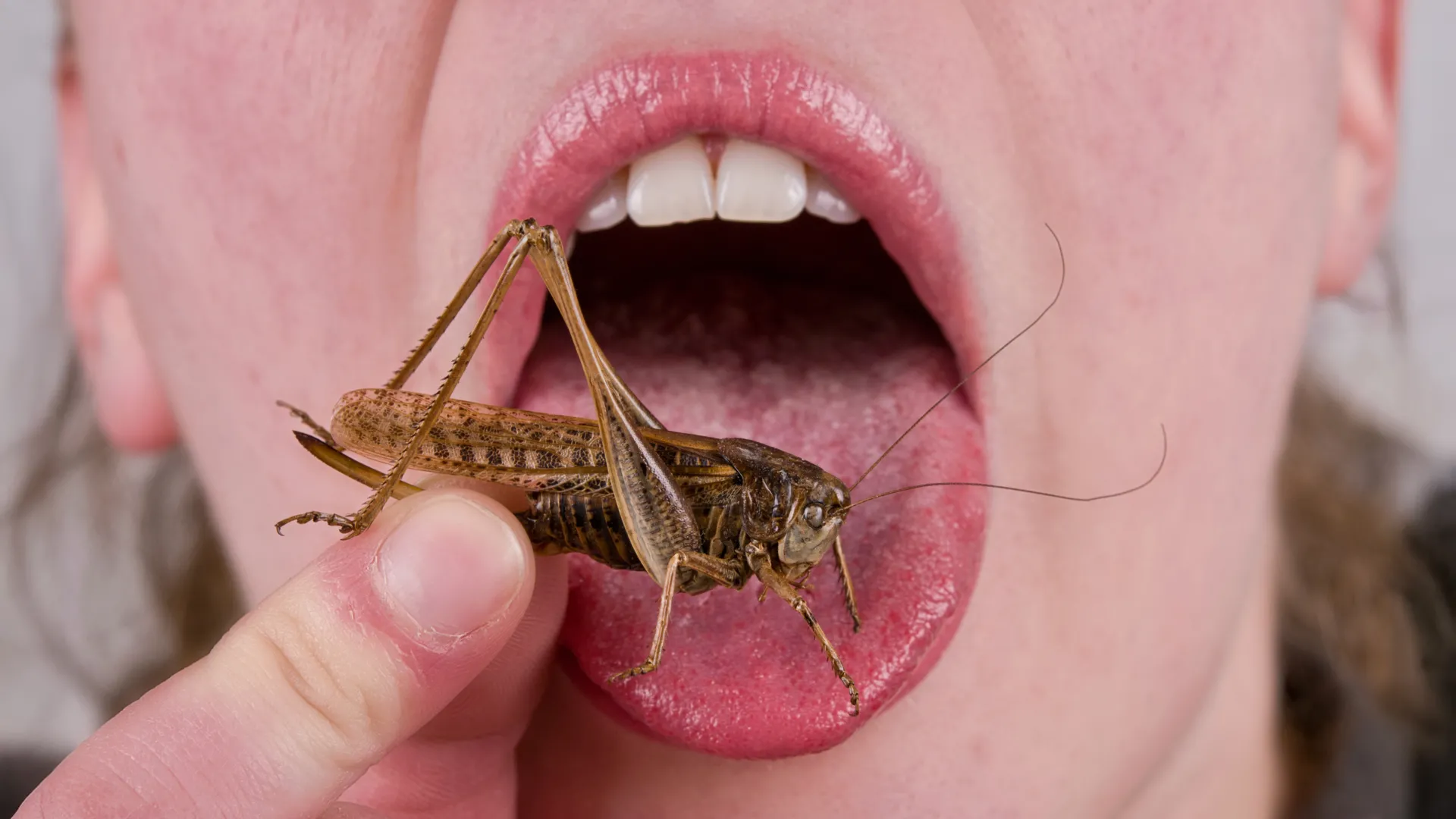
Your dislike of eating bugs may be 9,000 years old
Ancient teeth and human DNA are revealing a surprising history of insect eating. Modern humans in northern Eurasia appear to have eaten insects only occasionally
Ancient teeth and human DNA are revealing a surprising history of insect eating. Modern humans in northern Eurasia appear to have eaten insects only occasionally