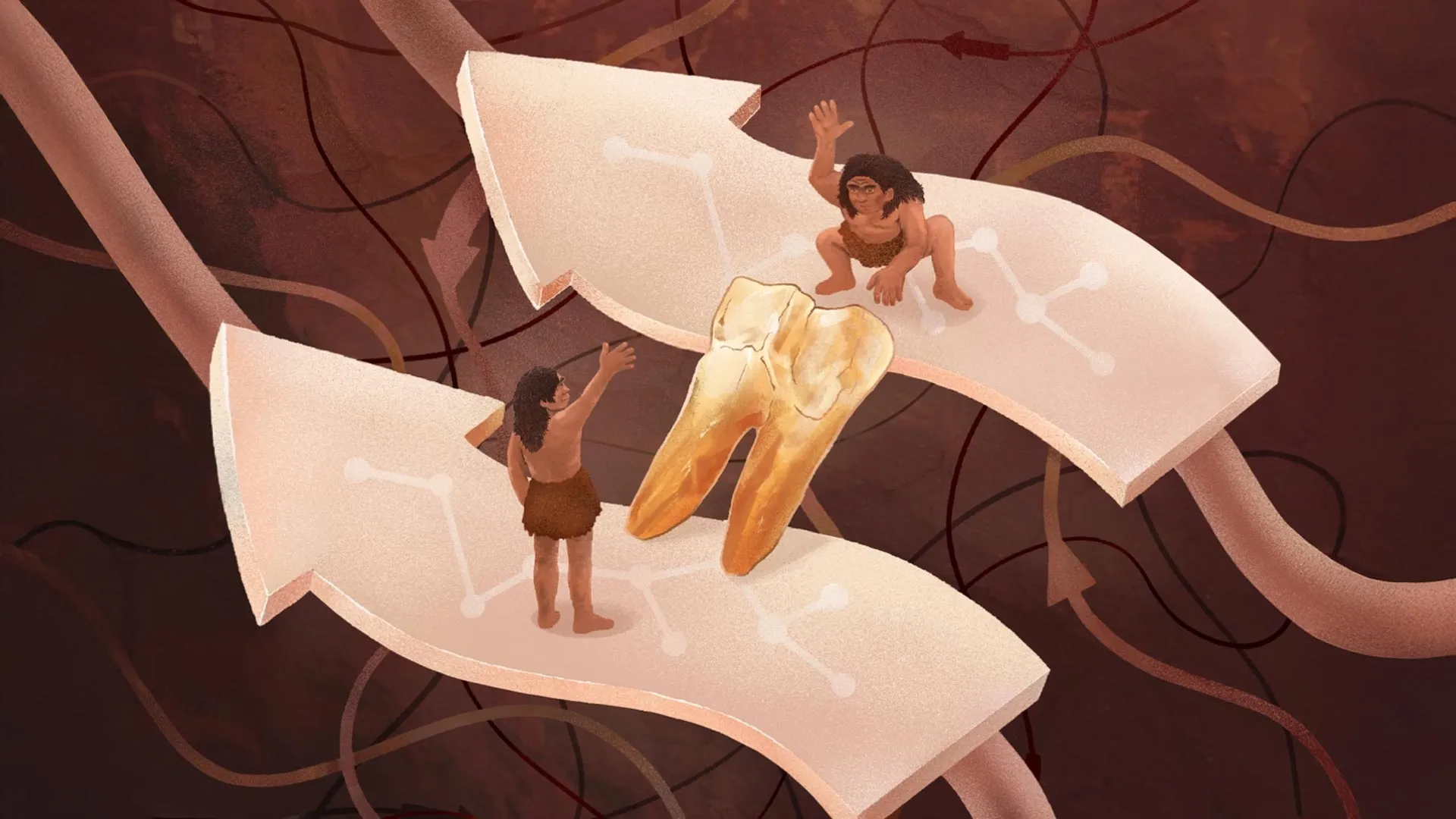
More than 400,000-year-old Homo erectus teeth from China may reveal a surprising link between this ancient human species, Denisovans, and some modern people. Scientists found protein mutations suggesting several East Asian Homo erectus populations belonged to the same evolutionary group, including one mutation previously associated with Denisovans. That variant may have passed from Homo erectus into Denisovans and eventually reached modern populations in Southeast Asia and Oceania.
Related Posts

What you eat before age 2 may affect your health 70 years later
Britain’s postwar sugar rationing created a rare natural experiment that let researchers examine how early sugar exposure might affect health decades later. People who experienced
Britain’s postwar sugar rationing created a rare natural experiment that let researchers examine how early sugar exposure might affect health decades later. People who experienced
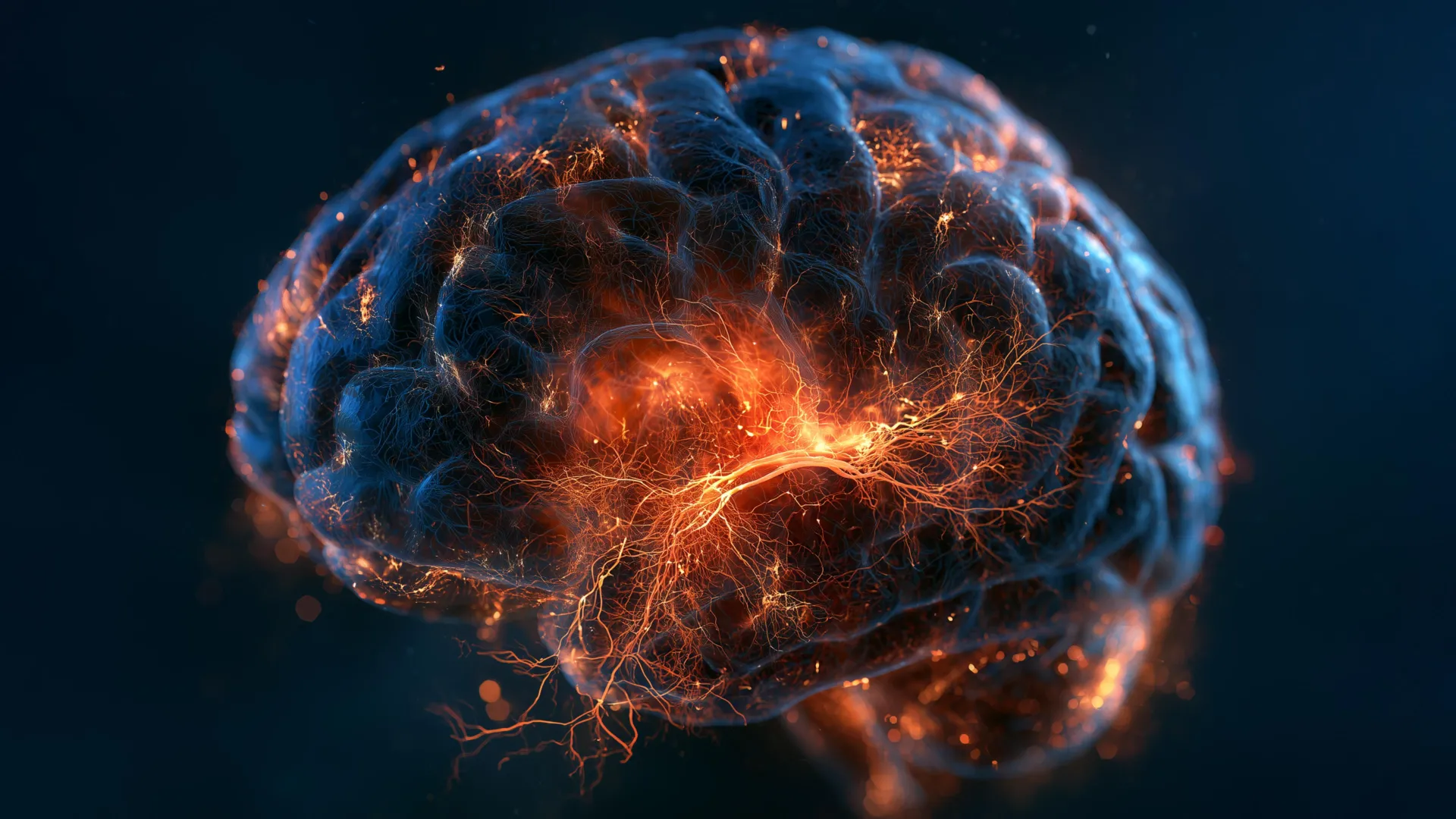
Depression may shut down the brain’s ability to make new neurons
A major study found that adults with depression show disrupted production of new neurons in the hippocampus, potentially weakening the brain’s ability to separate new
A major study found that adults with depression show disrupted production of new neurons in the hippocampus, potentially weakening the brain’s ability to separate new
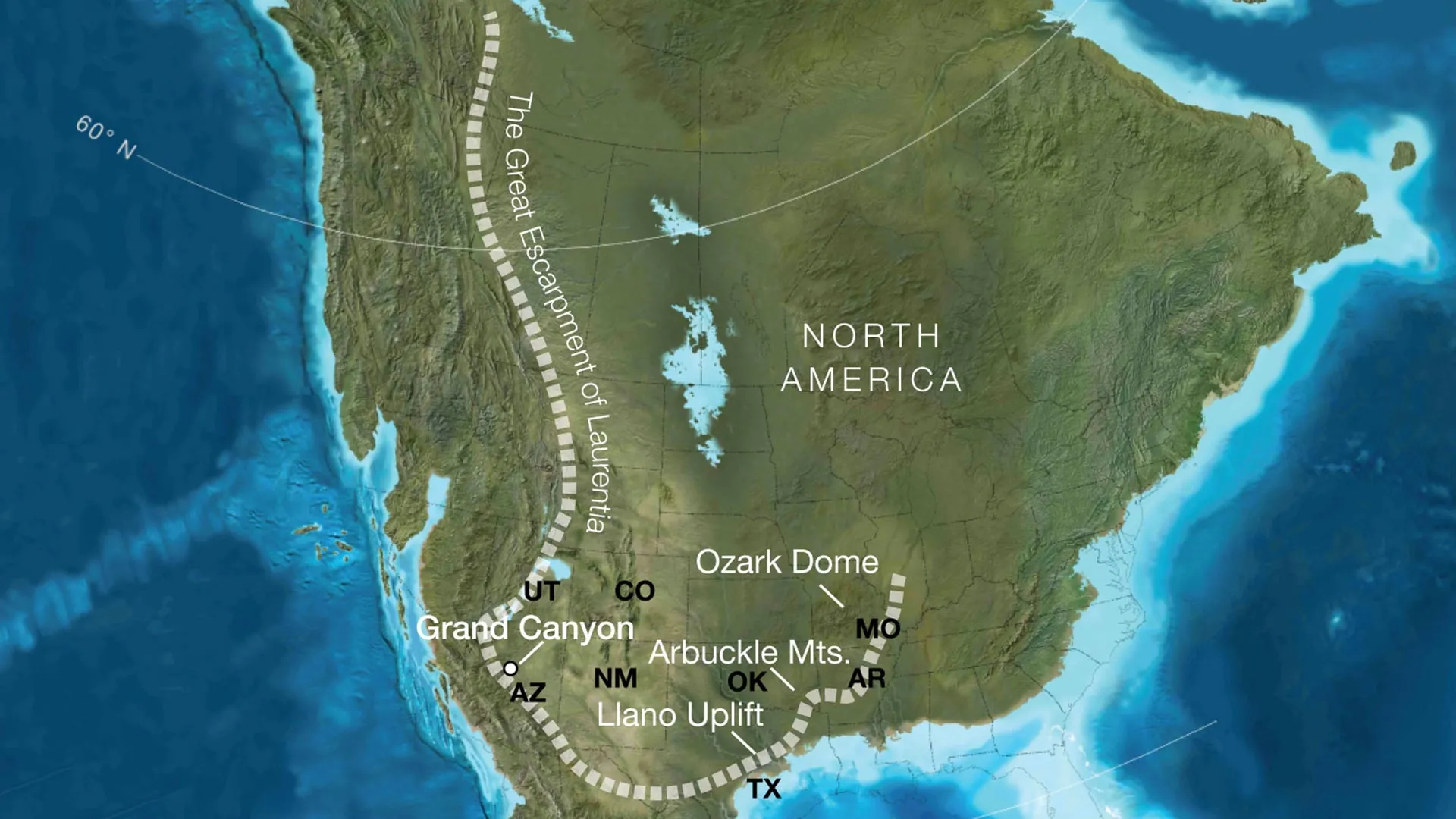
A lost mega-cliff may explain the Grand Canyon’s missing billion years
A colossal cliff system created as the supercontinent Rodinia broke apart may have exposed the heart of the Grand Canyon nearly a billion years before
A colossal cliff system created as the supercontinent Rodinia broke apart may have exposed the heart of the Grand Canyon nearly a billion years before