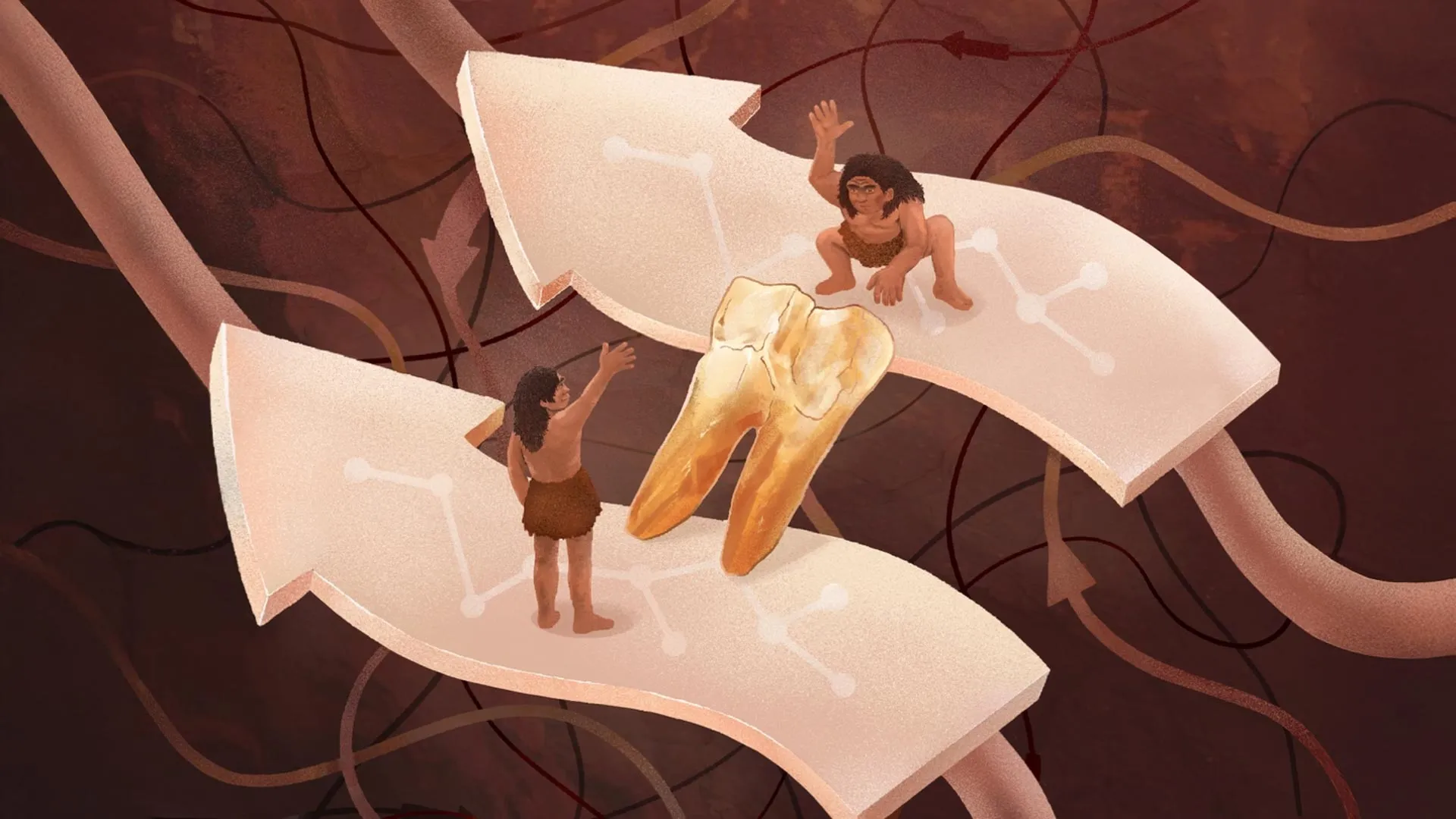
More than 400,000-year-old Homo erectus teeth from China may reveal a surprising link between this ancient human species, Denisovans, and some modern people. Scientists found protein mutations suggesting several East Asian Homo erectus populations belonged to the same evolutionary group, including one mutation previously associated with Denisovans. That variant may have passed from Homo erectus into Denisovans and eventually reached modern populations in Southeast Asia and Oceania.
Related Posts

The UK street with a name so rude they’ve had to secure its sign with concrete
Have you ever been to Minge Lane? (Picture: Ben Gregory-Ring/PA Media Assignments) One of the rudest named streets in the UK needs to secure its
Have you ever been to Minge Lane? (Picture: Ben Gregory-Ring/PA Media Assignments) One of the rudest named streets in the UK needs to secure its
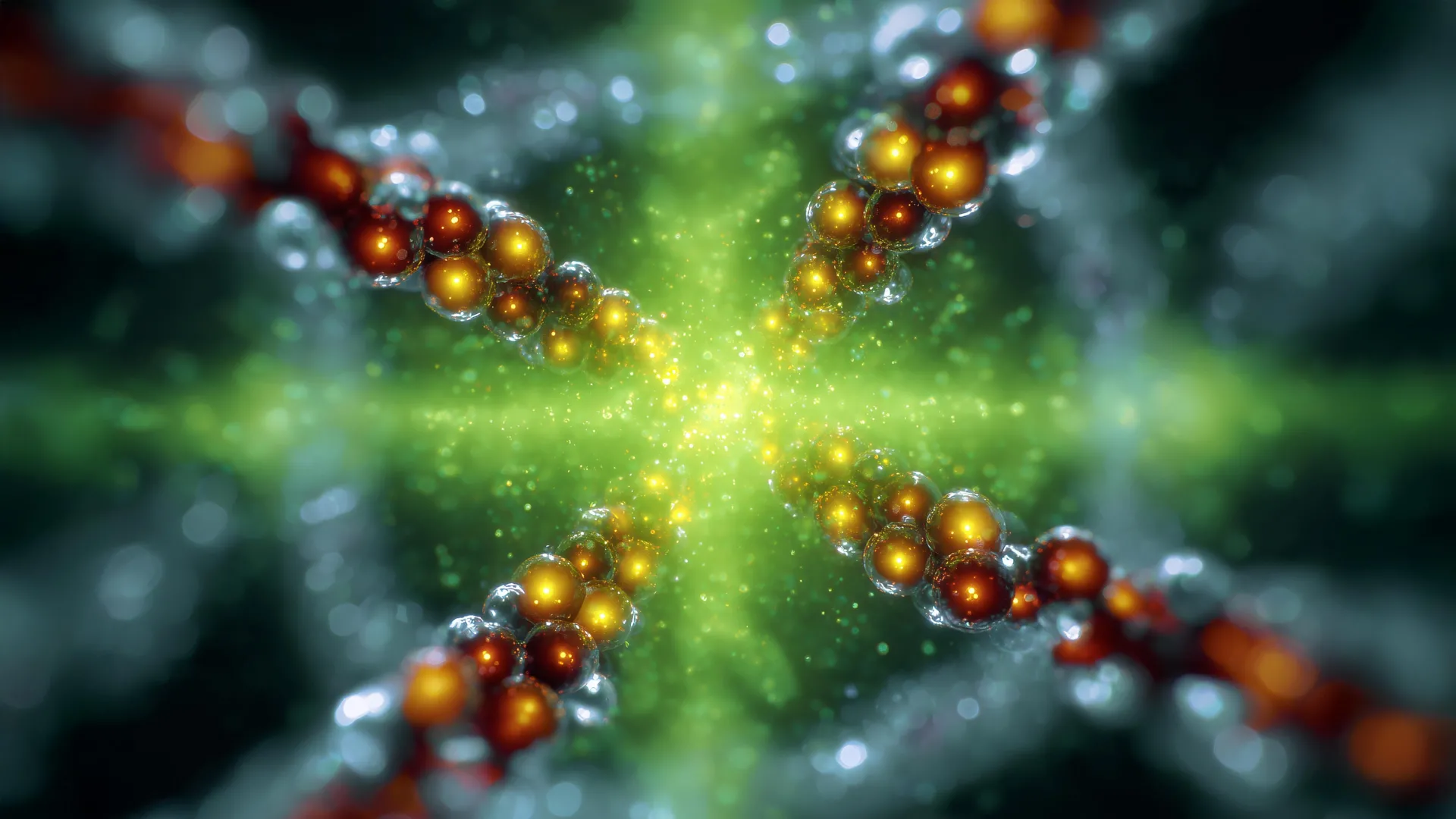
One tiny chemical difference between RNA and DNA may help explain how life began
Scientists may have found a clue to one of the biggest mysteries surrounding the origin of life: how fragile RNA molecules could gather and survive
Scientists may have found a clue to one of the biggest mysteries surrounding the origin of life: how fragile RNA molecules could gather and survive

Anthropic’s IPO Prospectus Shows Sweeping AI Vision, Surging Costs
The plans come as Anthropic confronts evidence from its own research that increasingly autonomous AI models can behave in unexpected and potentially harmful ways.
The plans come as Anthropic confronts evidence from its own research that increasingly autonomous AI models can behave in unexpected and potentially harmful ways.