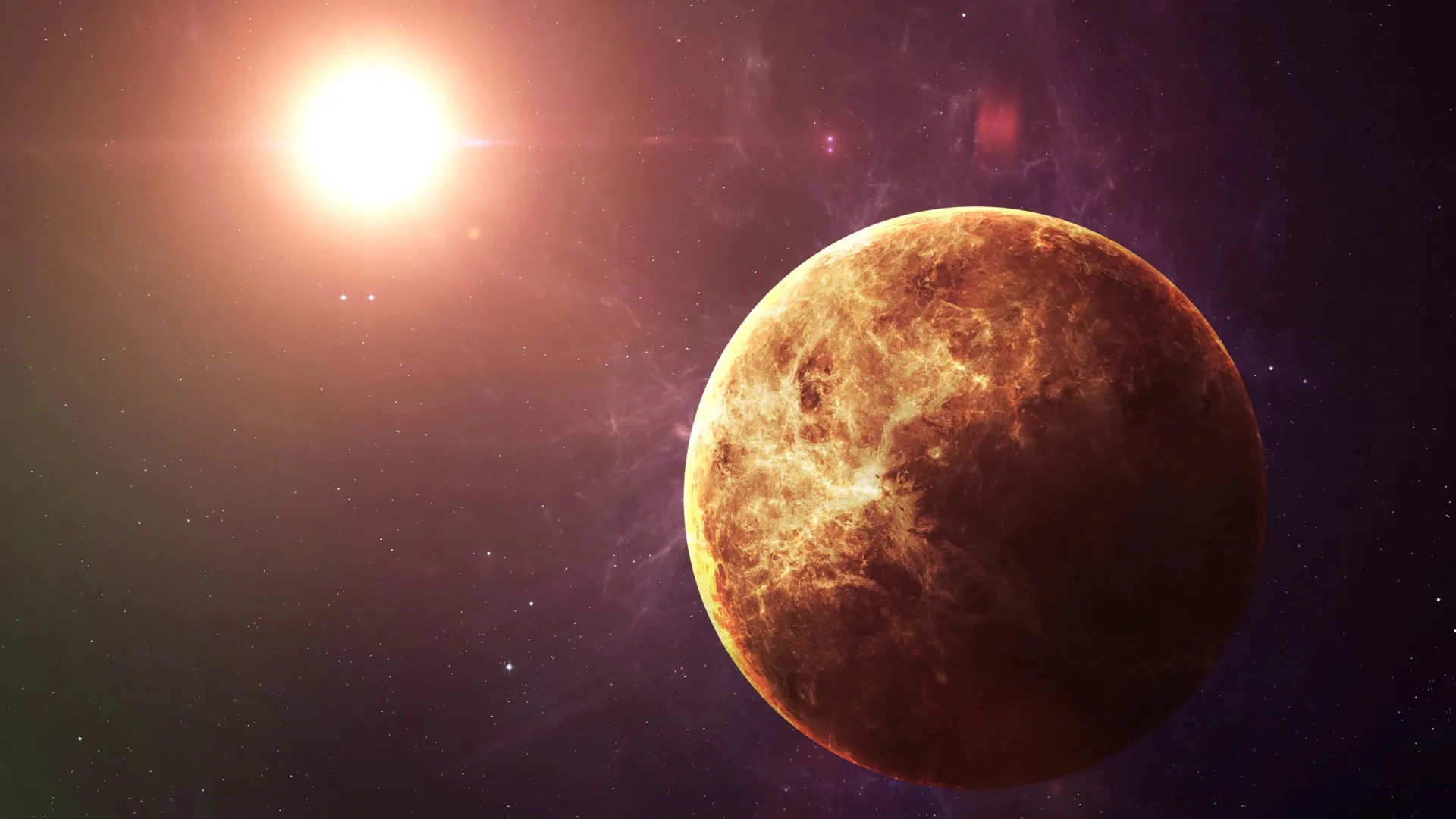
Venus may have once had a moon, but new research suggests the planet’s incredibly slow rotation could have doomed it. Computer simulations showed that instead of gradually drifting away like Earth’s moon, a Venusian moon would likely spiral inward until it crashed into the planet, with larger moons falling even faster.
Related Posts
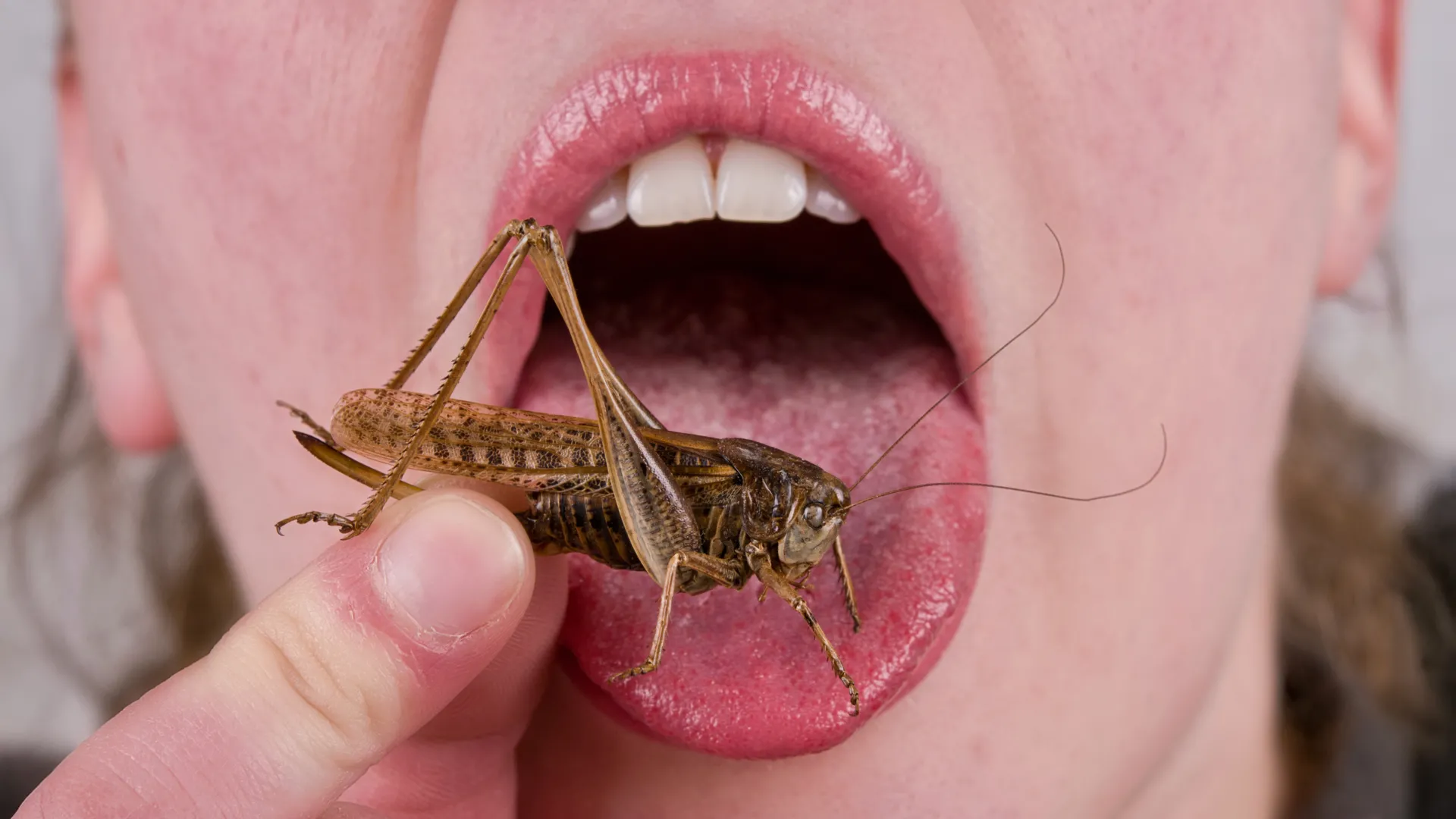
Your dislike of eating bugs may be 9,000 years old
Ancient teeth and human DNA are revealing a surprising history of insect eating. Modern humans in northern Eurasia appear to have eaten insects only occasionally
Ancient teeth and human DNA are revealing a surprising history of insect eating. Modern humans in northern Eurasia appear to have eaten insects only occasionally
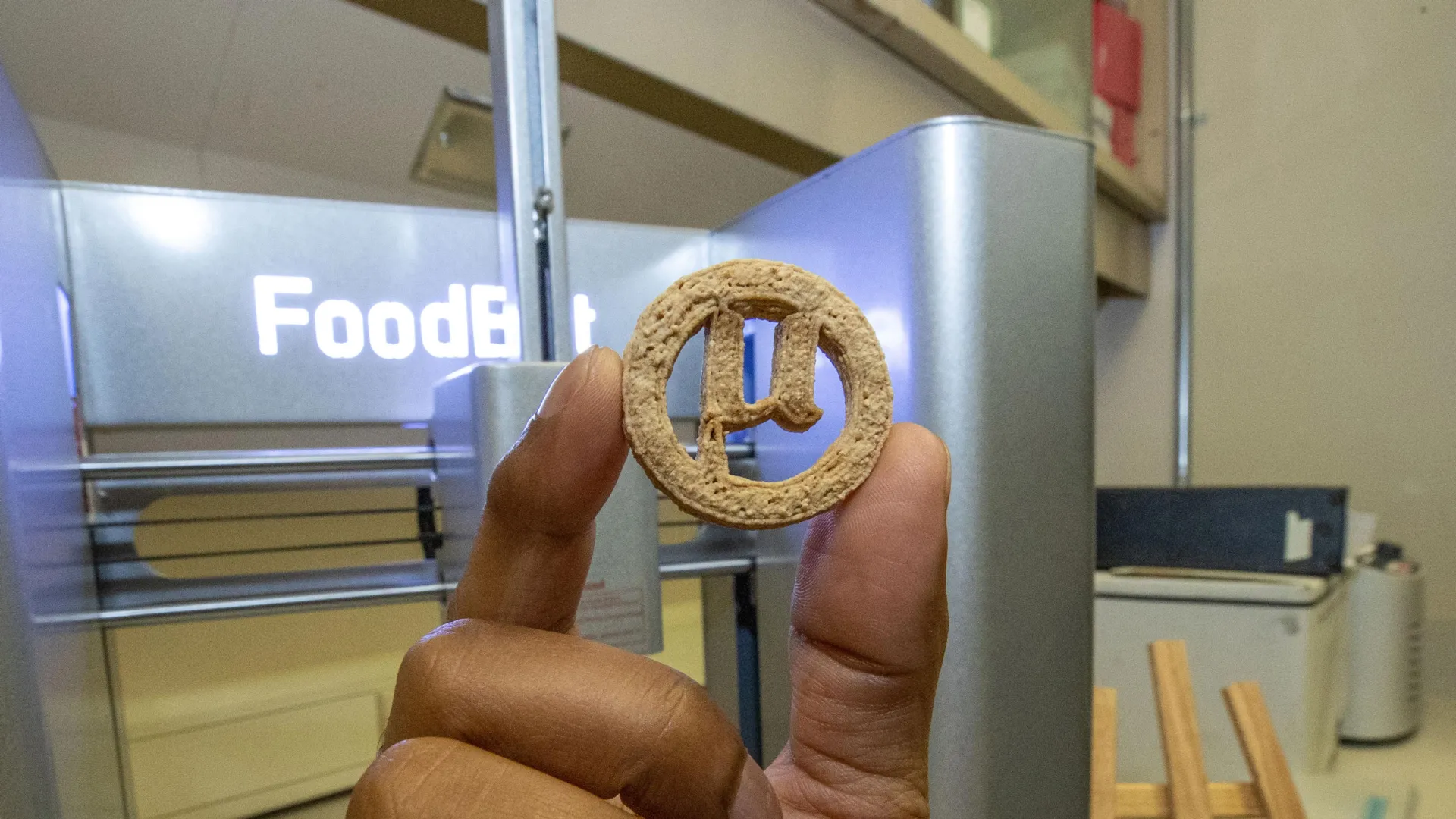
NASA-backed scientists turn plastic waste into edible cookies
Scientists have engineered yeast to turn PET plastic and agricultural waste into ingredients for protein-rich, 3D-printed cookies called µBites. Developed partly for NASA’s Deep Space
Scientists have engineered yeast to turn PET plastic and agricultural waste into ingredients for protein-rich, 3D-printed cookies called µBites. Developed partly for NASA’s Deep Space
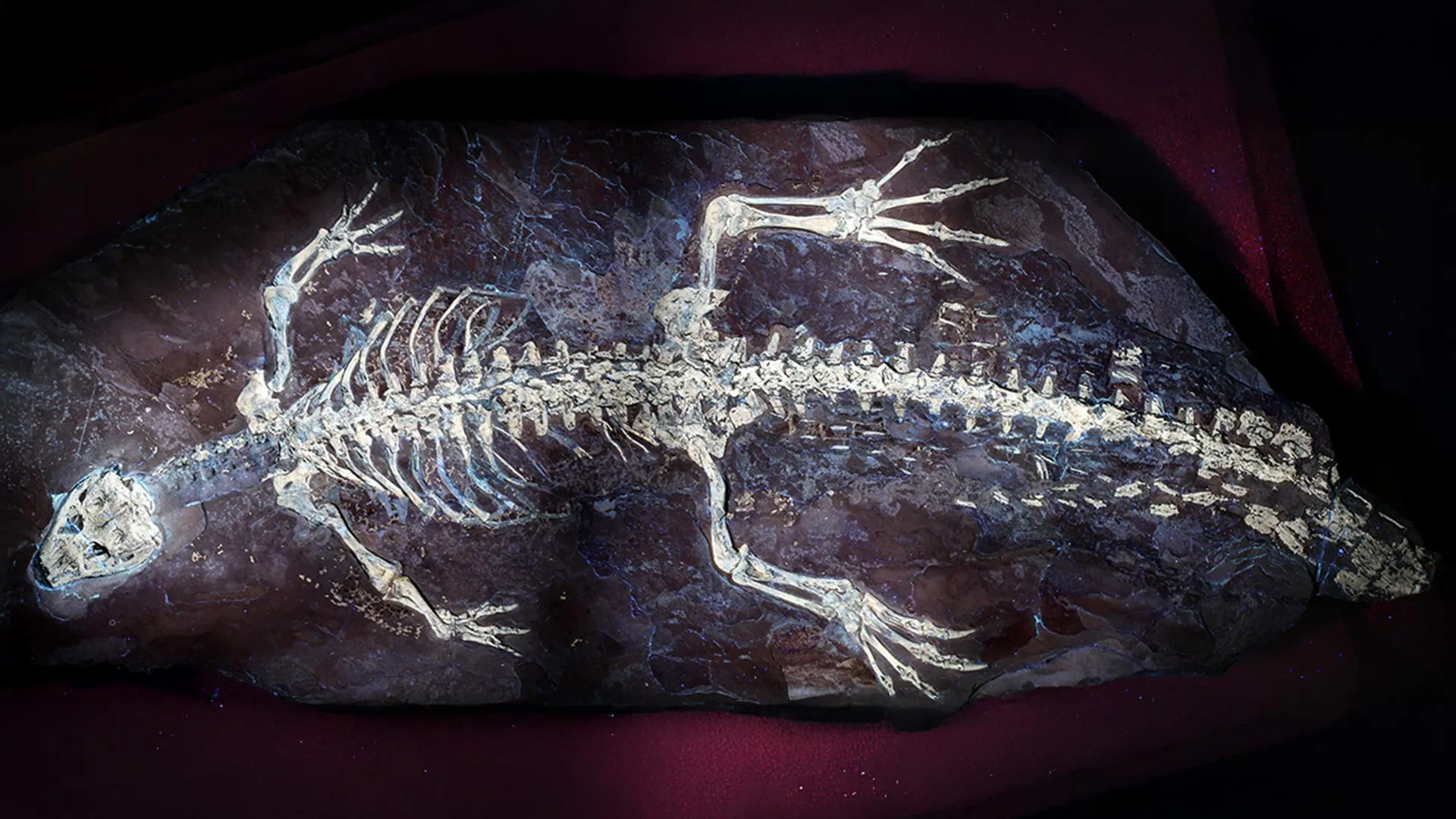
UV light reveals possible camouflage on a 125-million-year-old crocodile
A 125-million-year-old crocodile fossil has revealed preserved skin, possible sensory organs, sophisticated respiratory structures, and an unexpected pattern on its tail. Ultraviolet light exposed alternating
A 125-million-year-old crocodile fossil has revealed preserved skin, possible sensory organs, sophisticated respiratory structures, and an unexpected pattern on its tail. Ultraviolet light exposed alternating