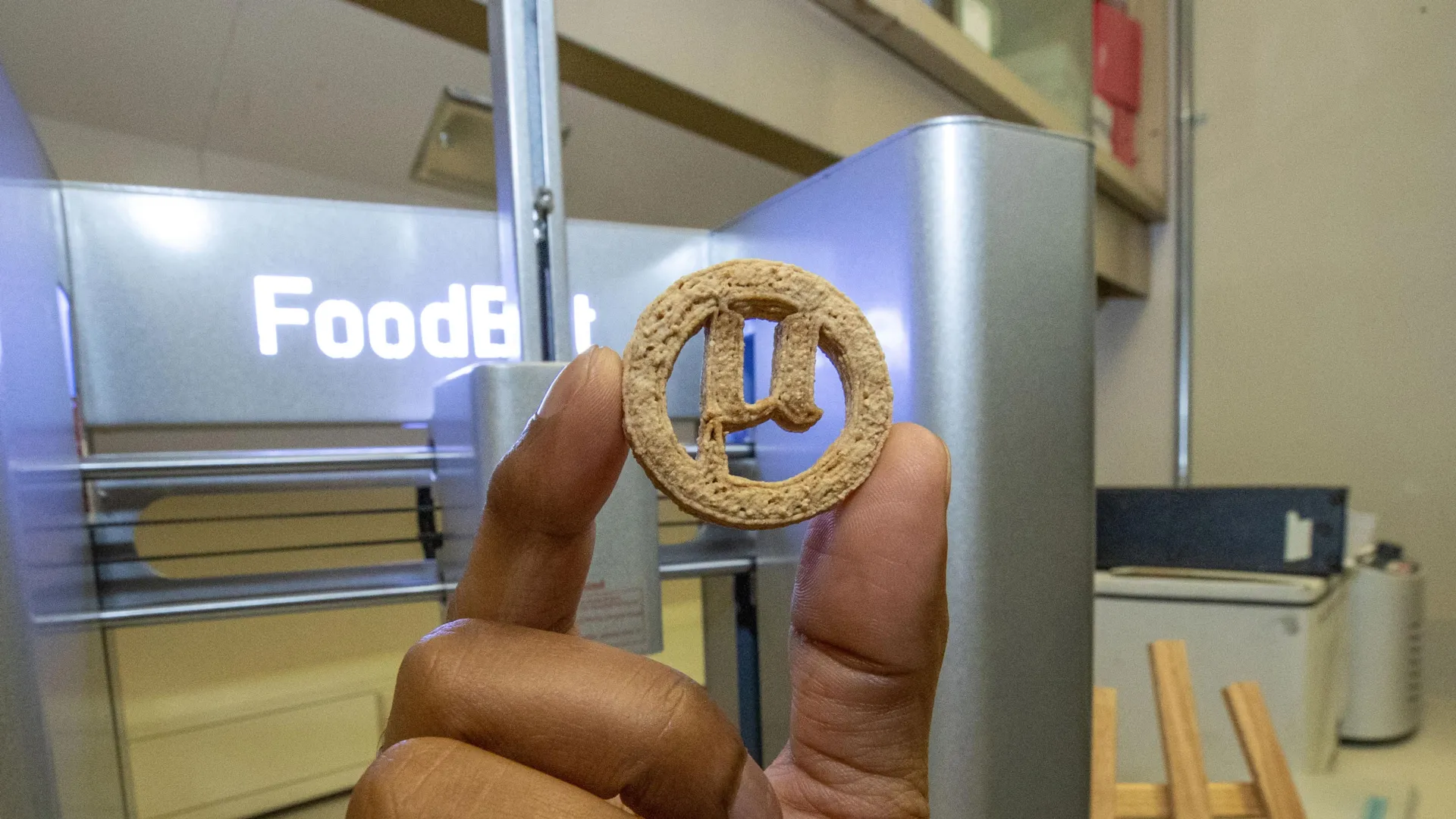
Scientists have engineered yeast to turn PET plastic and agricultural waste into ingredients for protein-rich, 3D-printed cookies called µBites. Developed partly for NASA’s Deep Space Food Challenge, the system can produce proteins, fats, vitamins, and even vanilla flavoring from waste materials. Researchers hope the unusual technology could eventually help address both plastic pollution and food insecurity, while also supplying food in extreme environments such as deep-space missions.
Related Posts
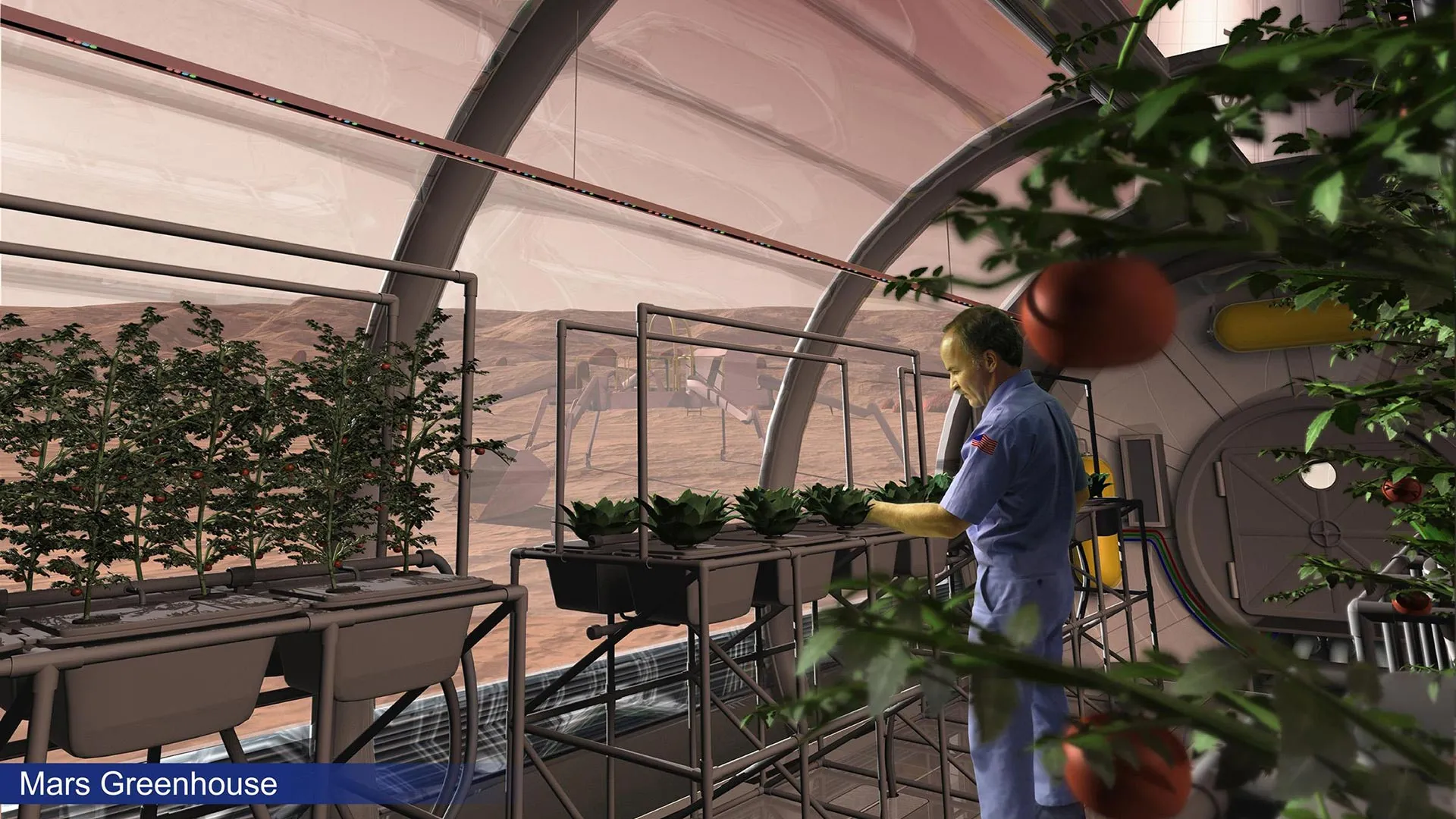
The secret to growing food on Mars could be fungi
Scientists think beneficial fungi could help transform nutrient-poor lunar and Martian regolith into a material capable of supporting crops. By helping plants access nutrients and
Scientists think beneficial fungi could help transform nutrient-poor lunar and Martian regolith into a material capable of supporting crops. By helping plants access nutrients and

Physicists just found a tiny glitch in time itself
Unconventional quantum theories may imply that time itself has a tiny fundamental uncertainty, placing an ultimate limit on how precisely any clock could measure it.
Unconventional quantum theories may imply that time itself has a tiny fundamental uncertainty, placing an ultimate limit on how precisely any clock could measure it.

People Reveal The Wildest Things Their Parents Let Them Do In The Early Internet Days And… Wow
None of it looked reckless at the time, but that has definitely changed.
None of it looked reckless at the time, but that has definitely changed.