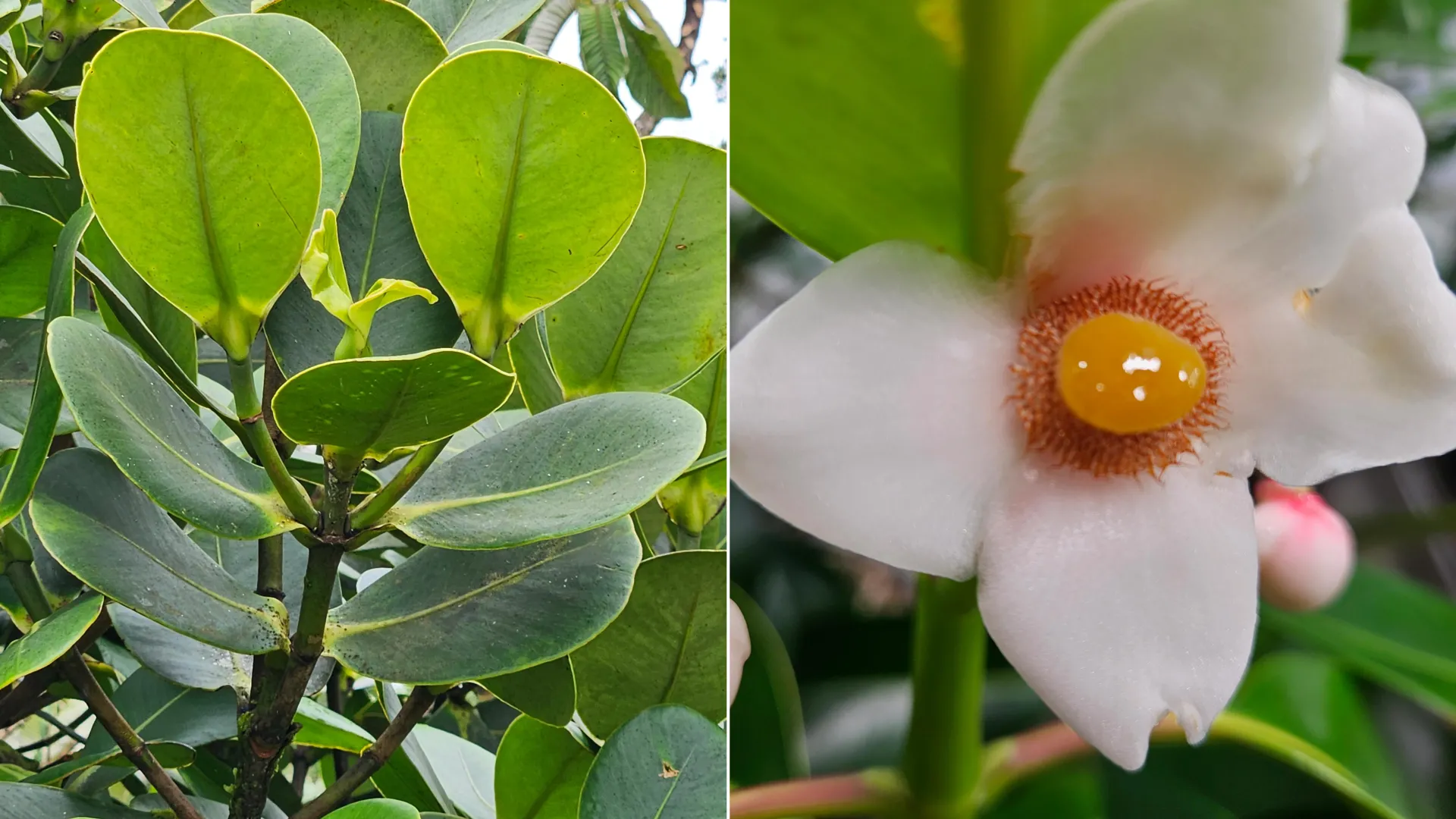
Some tropical trees have evolved a clever way to survive drought by taking in carbon dioxide at night, allowing them to keep their pores closed during the hot daytime and conserve water. By comparing three Clusia species, researchers discovered that this water-saving form of photosynthesis, known as CAM, did not arise through a single evolutionary change. Instead, ancient genome duplications followed by millions of years of genetic reshuffling produced strikingly different strategies, from strong CAM to stress-triggered and hybrid forms.
Related Posts
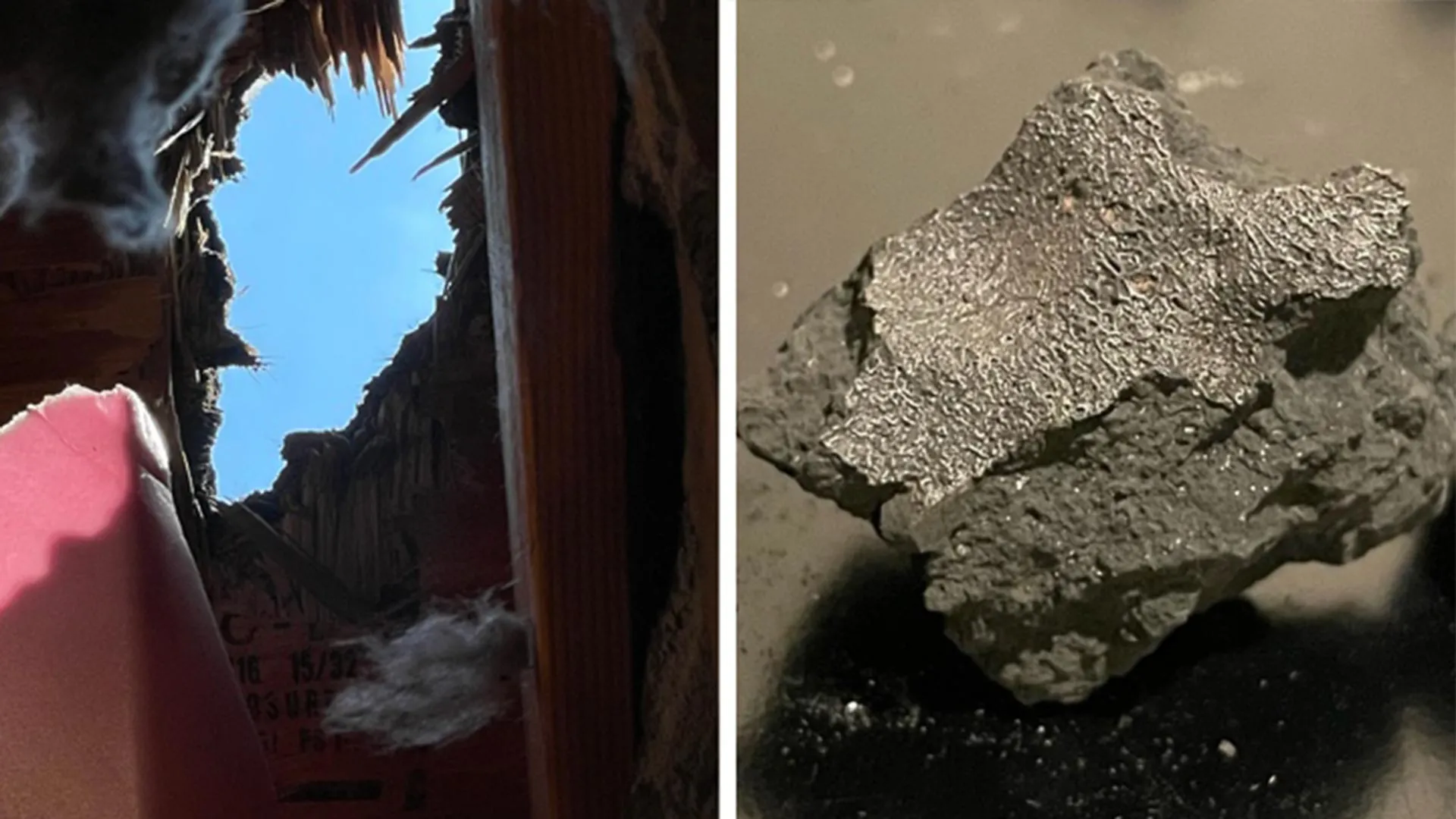
Meteorite that smashed through a New Jersey roof reveals clues to life’s origins
A rare meteorite that crashed through a New Jersey roof contains evidence of ancient salty fluids, organic compounds, and amino acids from a primitive asteroid.
A rare meteorite that crashed through a New Jersey roof contains evidence of ancient salty fluids, organic compounds, and amino acids from a primitive asteroid.
Airports Changed Forever After 9/11 — Here’s What They Were Like Before
Going to an airport in the United States was a dramatically different experience before 2001.
Going to an airport in the United States was a dramatically different experience before 2001.

Scientists find signs of extreme aging and youth in the same 117-year-old
A remarkably detailed study of Maria Branyas, who lived past 117, reveals that extreme longevity may involve both intense aging and powerful biological protection at
A remarkably detailed study of Maria Branyas, who lived past 117, reveals that extreme longevity may involve both intense aging and powerful biological protection at