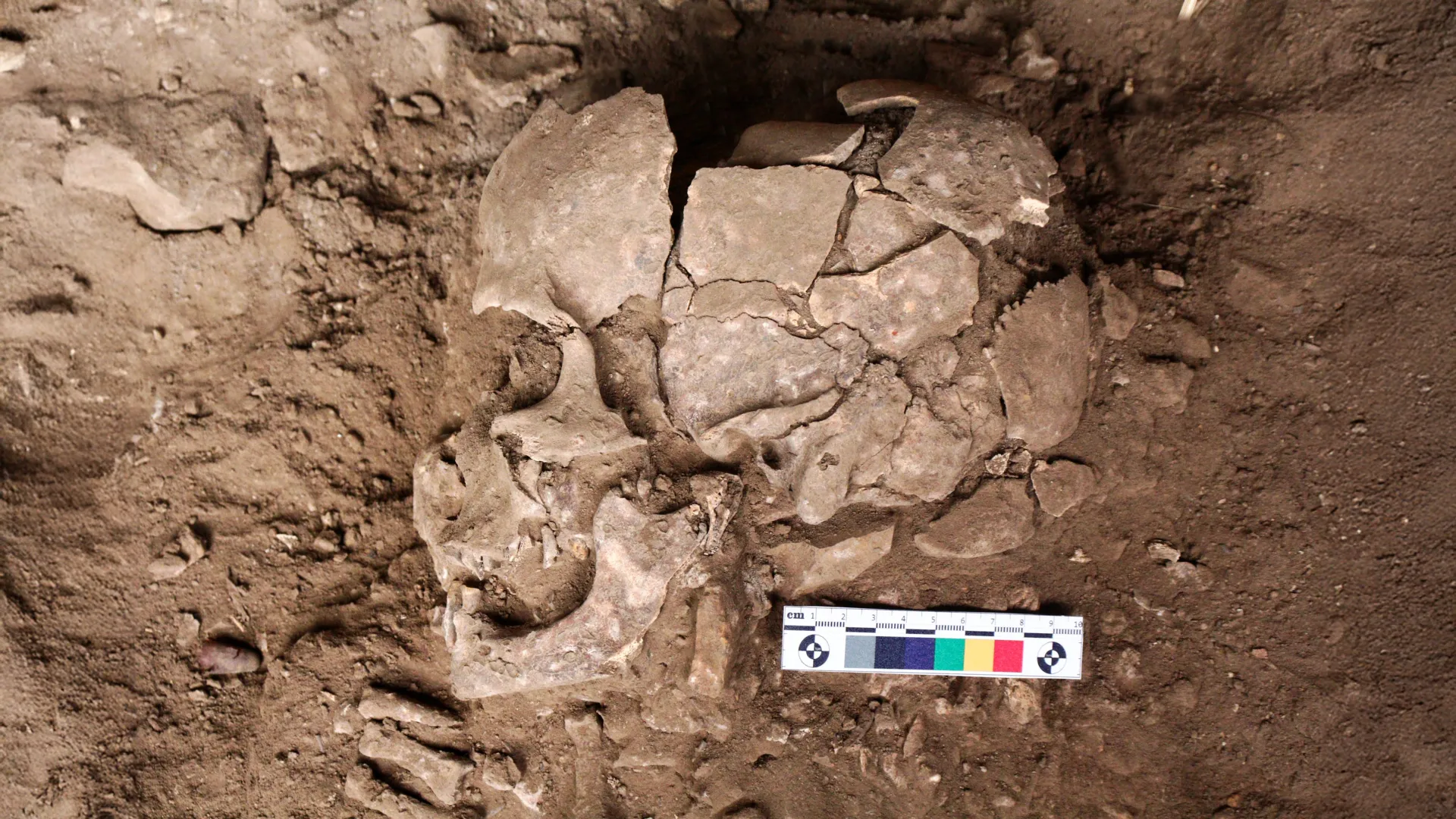
Ancient human remains from Sulawesi suggest people were habitually using the psychoactive betel nut as far back as 25,000 years ago. Researchers found both unusual tooth wear and traces of arecoline, the nut’s mind-altering compound, in the teeth of prehistoric hunter-gatherers. The practice may have started partly as pain relief for toothaches, but prolonged use severely damaged their teeth. The discovery could represent the earliest known evidence of habitual drug use anywhere in the world.
Related Posts

Supermassive black hole winds are 100 times more powerful than scientists thought
Astronomers have discovered that winds from a supermassive black hole are about 100 times more powerful than previously thought. XRISM observations showed the resulting turbulence
Astronomers have discovered that winds from a supermassive black hole are about 100 times more powerful than previously thought. XRISM observations showed the resulting turbulence

Scientists tested 39 sweeteners and uncovered surprising gut effects
Scientists have discovered that many common sweeteners can interfere with gut bacteria, with some combinations involving medications producing surprisingly strong effects. One sweetener mixed with
Scientists have discovered that many common sweeteners can interfere with gut bacteria, with some combinations involving medications producing surprisingly strong effects. One sweetener mixed with

Scientists recreate a bizarre quantum effect that stops a particle cold
Oxford physicists have recreated a bizarre quantum effect in which a particle responds to a magnetic field without ever traveling through it. Using a hybrid
Oxford physicists have recreated a bizarre quantum effect in which a particle responds to a magnetic field without ever traveling through it. Using a hybrid