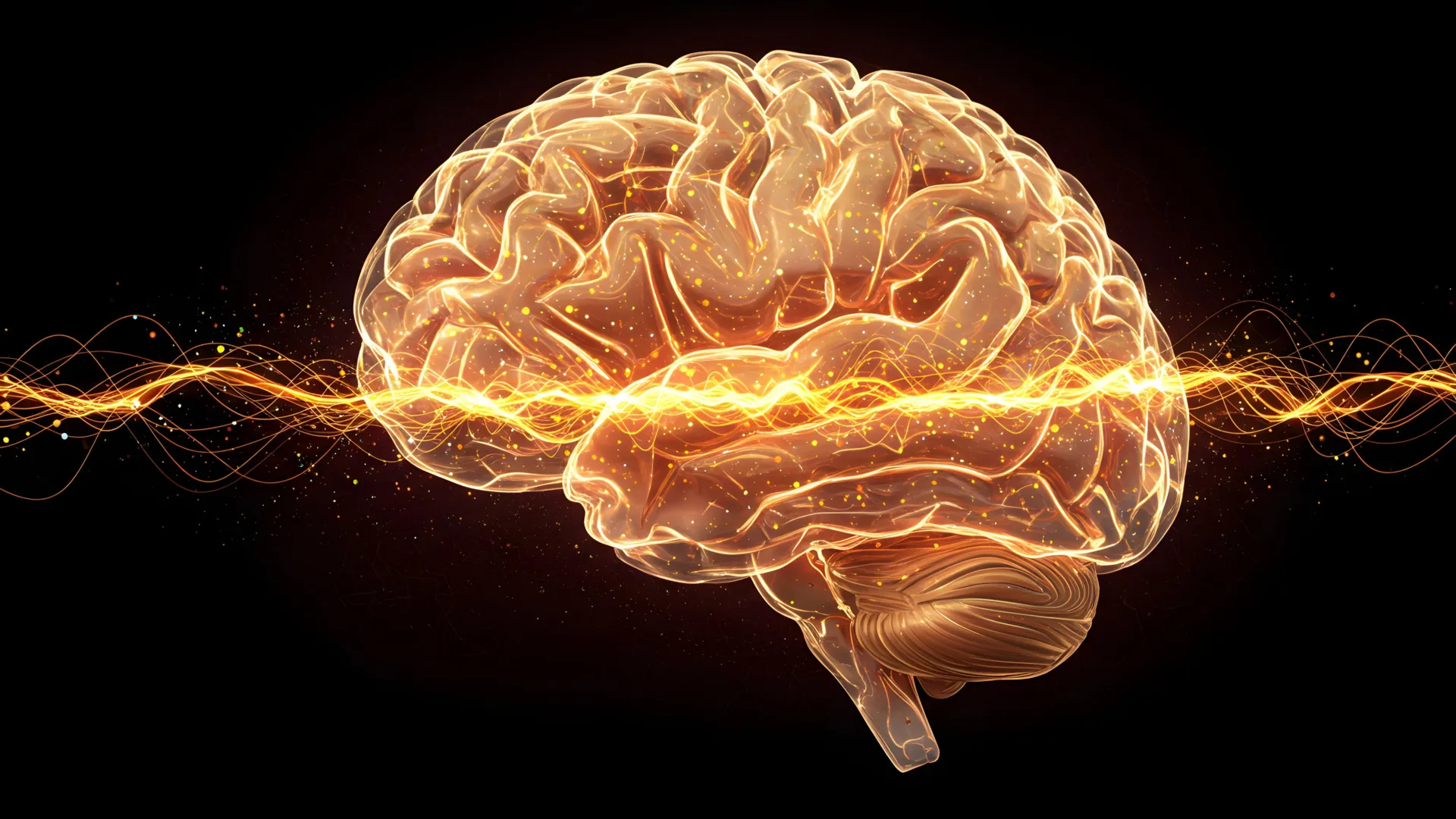
A discovery in tiny algae led to a Nobel Prize-winning breakthrough that allows scientists to switch brain cells on and off using light. The revolutionary technique has already helped researchers activate memories and is opening new possibilities for restoring vision and treating brain disorders.
Related Posts

Experts Reveal What Could Actually Happen If AI Enters ‘Recursive Self-Improvement’ — And It’s Scary
This advancement could lead to “humans losing control over AI,” one leading AI lab says.
This advancement could lead to “humans losing control over AI,” one leading AI lab says.
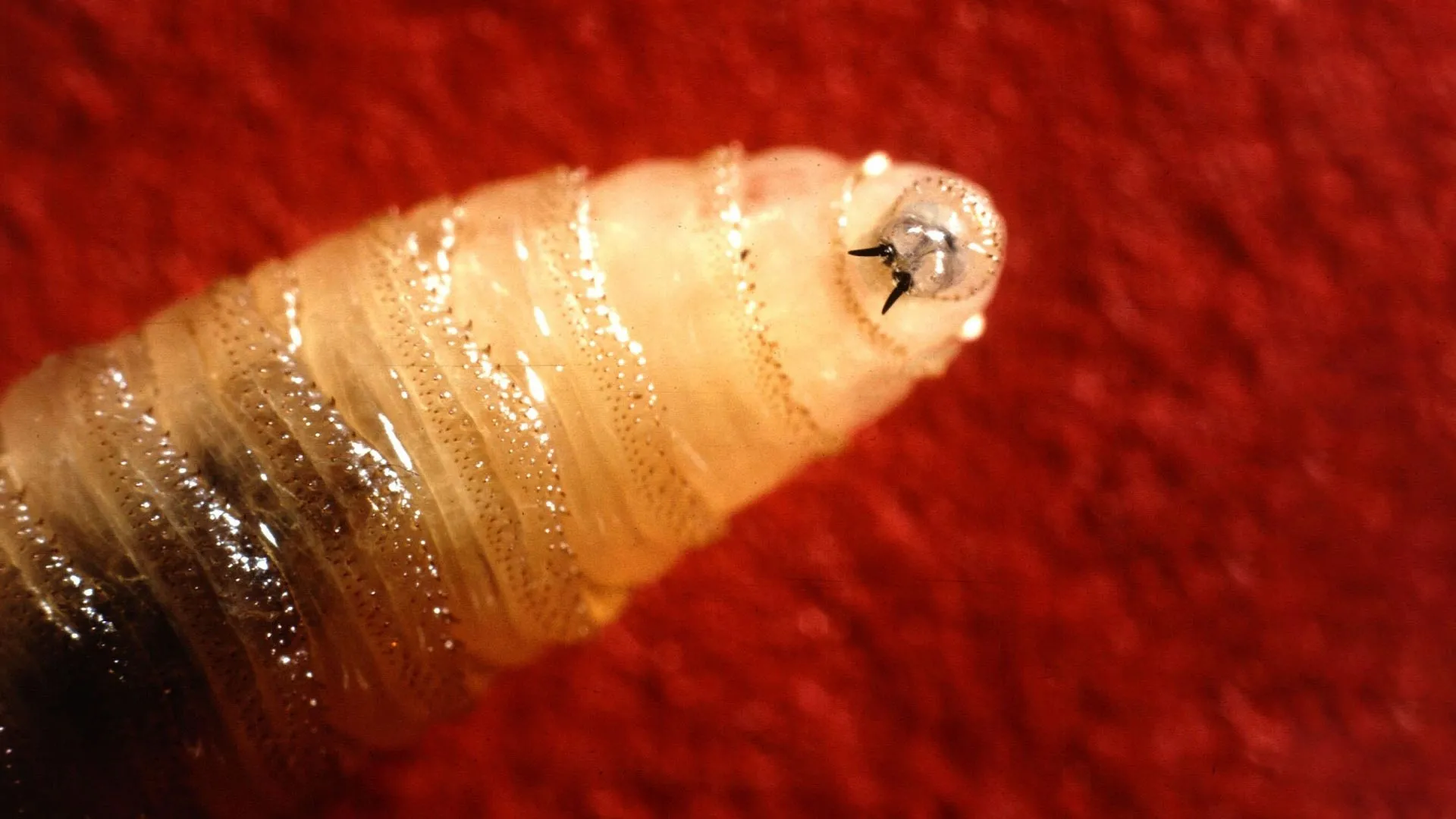
The U.S. Eradicated this flesh-eating parasite. Now it’s back
The flesh eating New World screwworm has returned to the United States, threatening livestock, wildlife, pets and potentially people as it spreads north. A new
The flesh eating New World screwworm has returned to the United States, threatening livestock, wildlife, pets and potentially people as it spreads north. A new
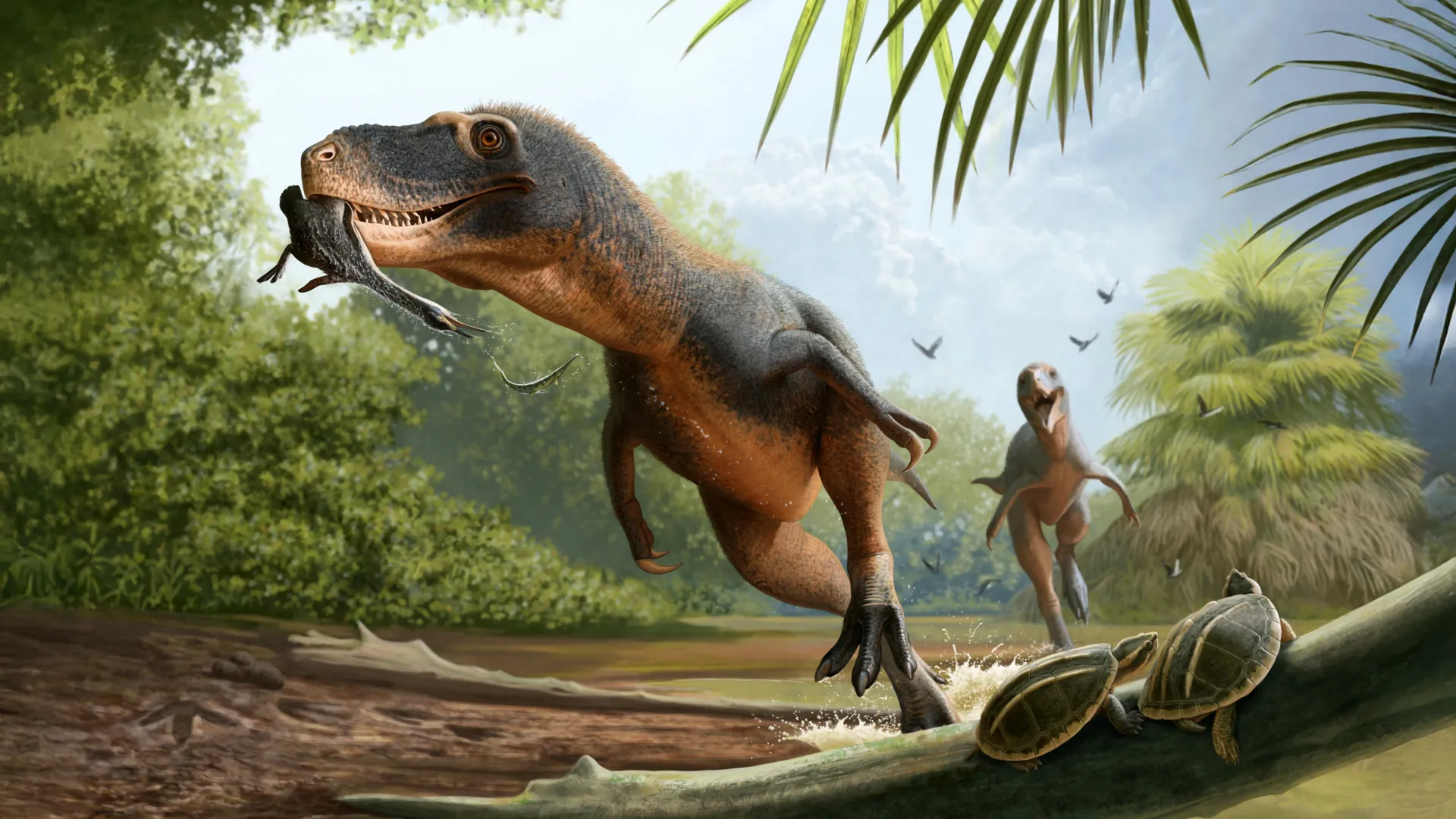
66-million-year-old feather in dinosaur poop may reveal why birds survived the asteroid
A feather discovered inside 66-million-year-old fossilized dinosaur poop may help explain why modern birds survived the asteroid catastrophe. The extinct bird it came from had
A feather discovered inside 66-million-year-old fossilized dinosaur poop may help explain why modern birds survived the asteroid catastrophe. The extinct bird it came from had