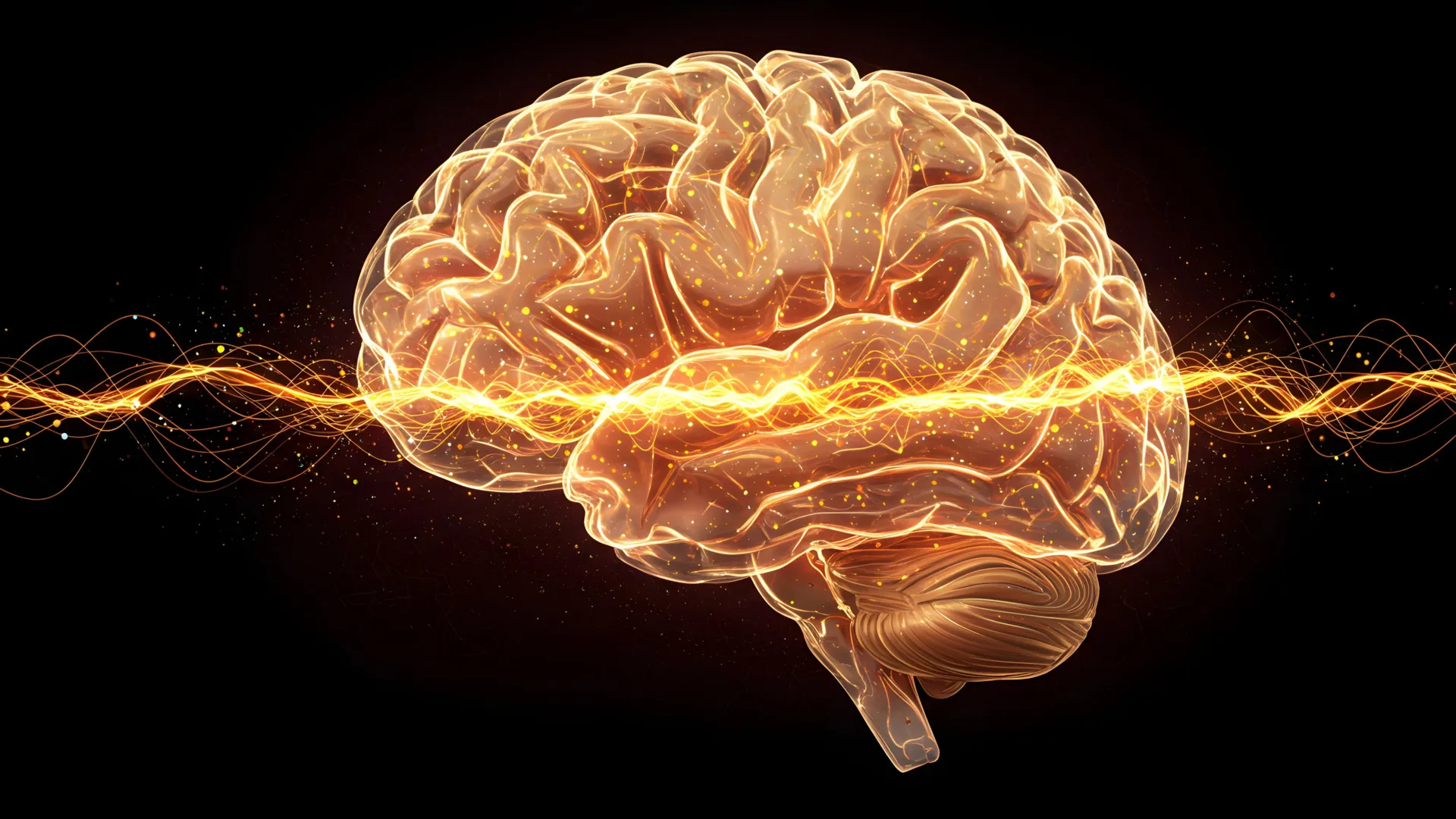
A discovery in tiny algae led to a Nobel Prize-winning breakthrough that allows scientists to switch brain cells on and off using light. The revolutionary technique has already helped researchers activate memories and is opening new possibilities for restoring vision and treating brain disorders.
Related Posts

Stronger flu shot linked to nearly 55% lower Alzheimer’s risk
A surprising new study suggests that a stronger flu shot could offer older adults significantly greater protection against Alzheimer’s disease. Researchers at UTHealth Houston analyzed
A surprising new study suggests that a stronger flu shot could offer older adults significantly greater protection against Alzheimer’s disease. Researchers at UTHealth Houston analyzed

Ancient ape fossil in Egypt could rewrite the story of human origins
A 17- to 18-million-year-old ape fossil discovered in Egypt is challenging long-held beliefs about where the ancestors of humans and other modern apes first evolved.
A 17- to 18-million-year-old ape fossil discovered in Egypt is challenging long-held beliefs about where the ancestors of humans and other modern apes first evolved.

The Moon may have formed intact just hours after a giant collision
Scientists have discovered that the Moon-forming collision may have depended heavily on how hot and physically strong early Earth and Theia were. New simulations found
Scientists have discovered that the Moon-forming collision may have depended heavily on how hot and physically strong early Earth and Theia were. New simulations found