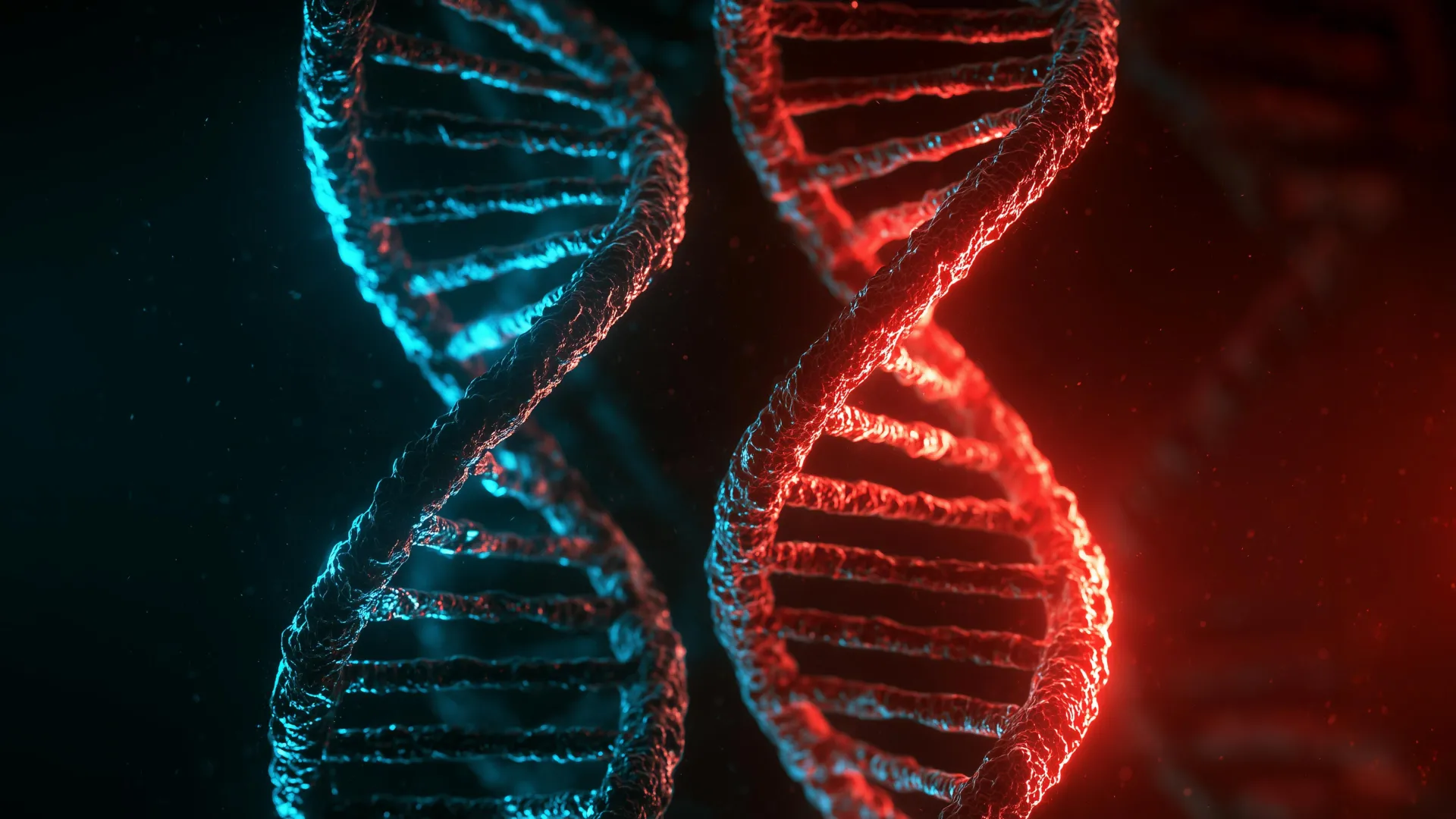
Scientists have proposed a way to detect “mirror life,” a hypothetical form of life that could pose serious risks to humans, animals, and ecosystems if artificially created. Using special fluorescent molecules and a type of polarized light also used in 3D movie technology, researchers believe they could distinguish ordinary organisms from their mirror-image counterparts.
Related Posts
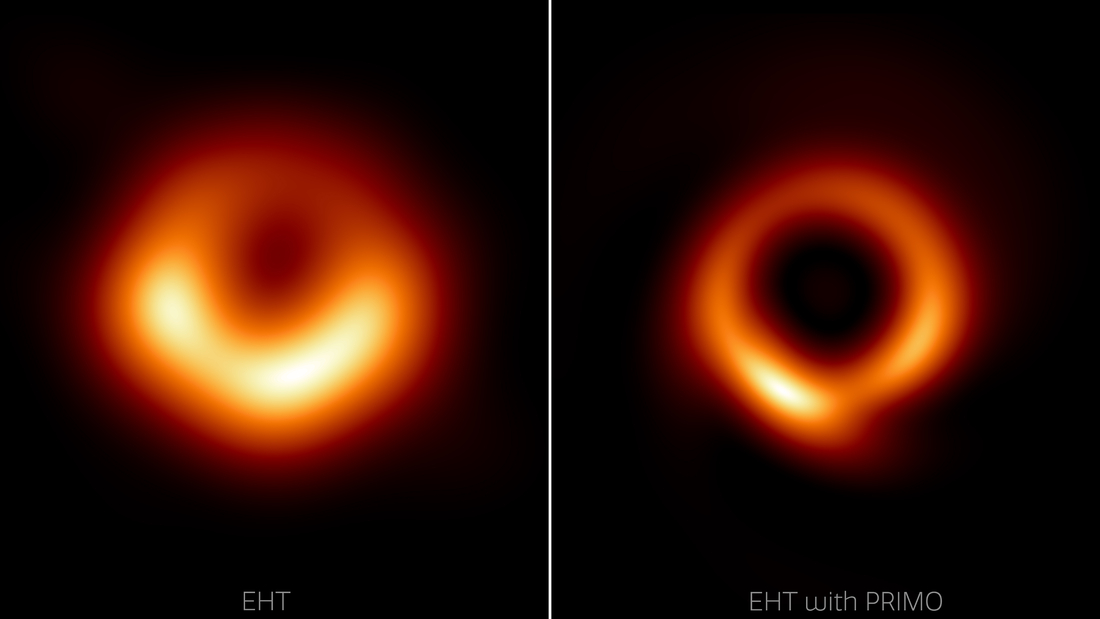
Fuzzy first photo of a black hole gets a sharp makeover
The first photo ever taken of a black hole looks a little sharper now.
The first photo ever taken of a black hole looks a little sharper now.
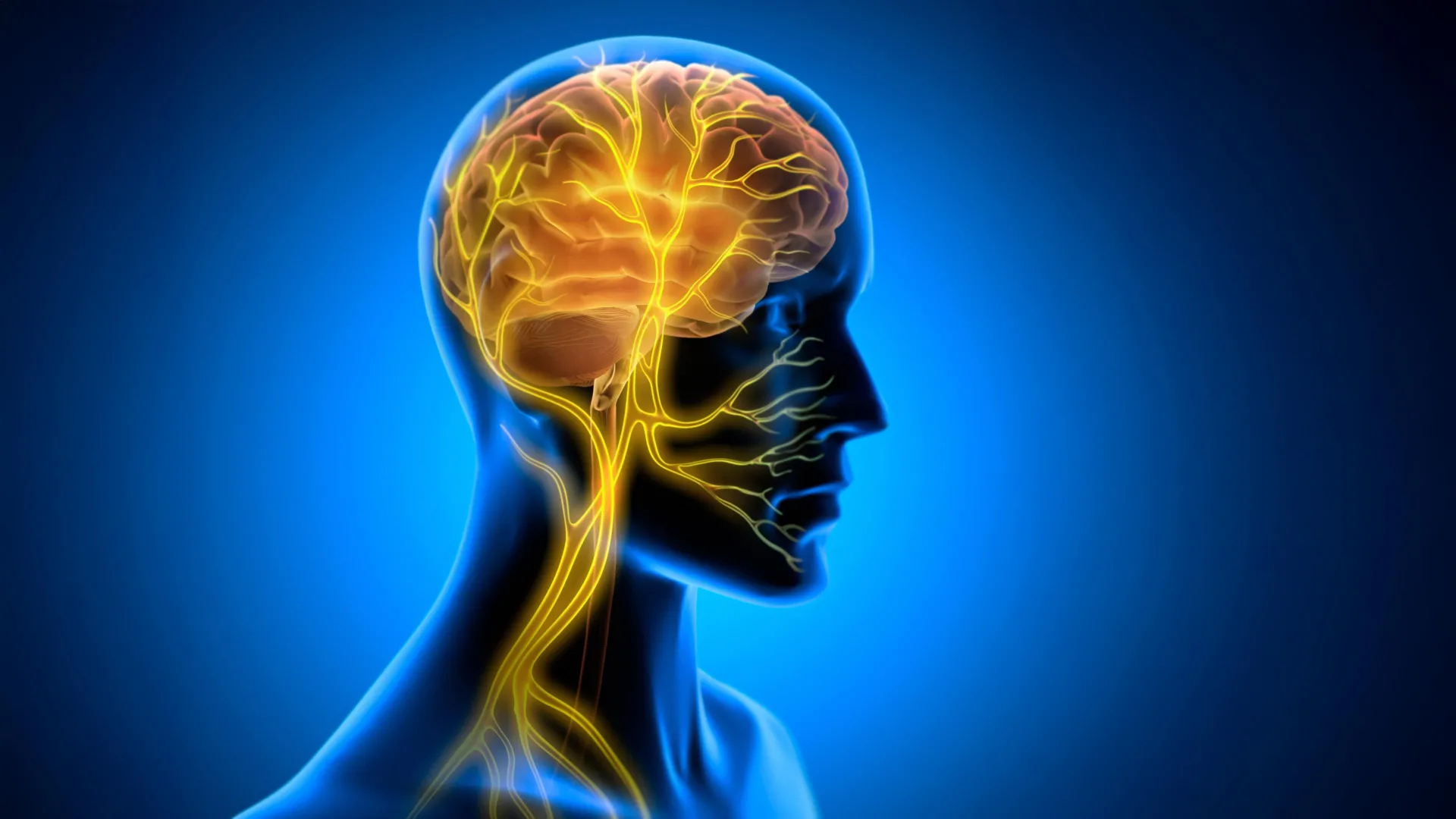
Vagus Nerve Stimulation Could Help New Skills Stick
Stimulating the vagus nerve after practice helped mice develop stronger long-term motor learning, revealing a potentially important window when the brain is still locking in
Stimulating the vagus nerve after practice helped mice develop stronger long-term motor learning, revealing a potentially important window when the brain is still locking in
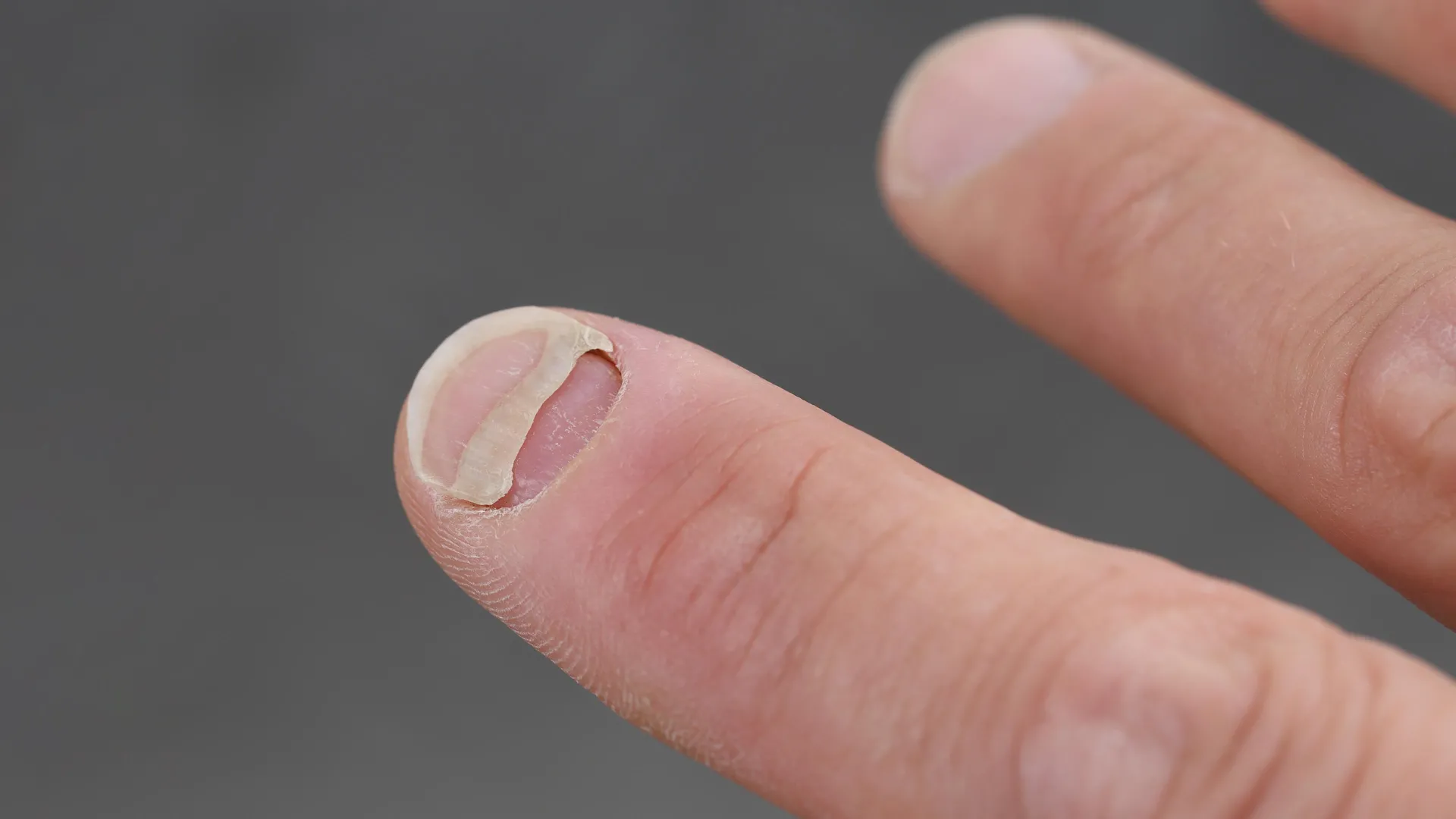
Popular weight loss drugs linked to a surprising fingernail problem
Popular GLP-1 weight loss drugs, such as Ozempic and Wegovy, have been linked to unexpectedly high rates of nail detachment, hair loss, and scalp inflammation
Popular GLP-1 weight loss drugs, such as Ozempic and Wegovy, have been linked to unexpectedly high rates of nail detachment, hair loss, and scalp inflammation