
A groundbreaking study challenges 70 years of assumptions about how human language works. By analyzing billions of word uses, scientists discovered that meaning is organized around power, danger, and order rather than emotion alone. Even more surprisingly, human language shows a powerful hidden preference for safety, suggesting that our words may reflect ancient survival instincts.
Related Posts
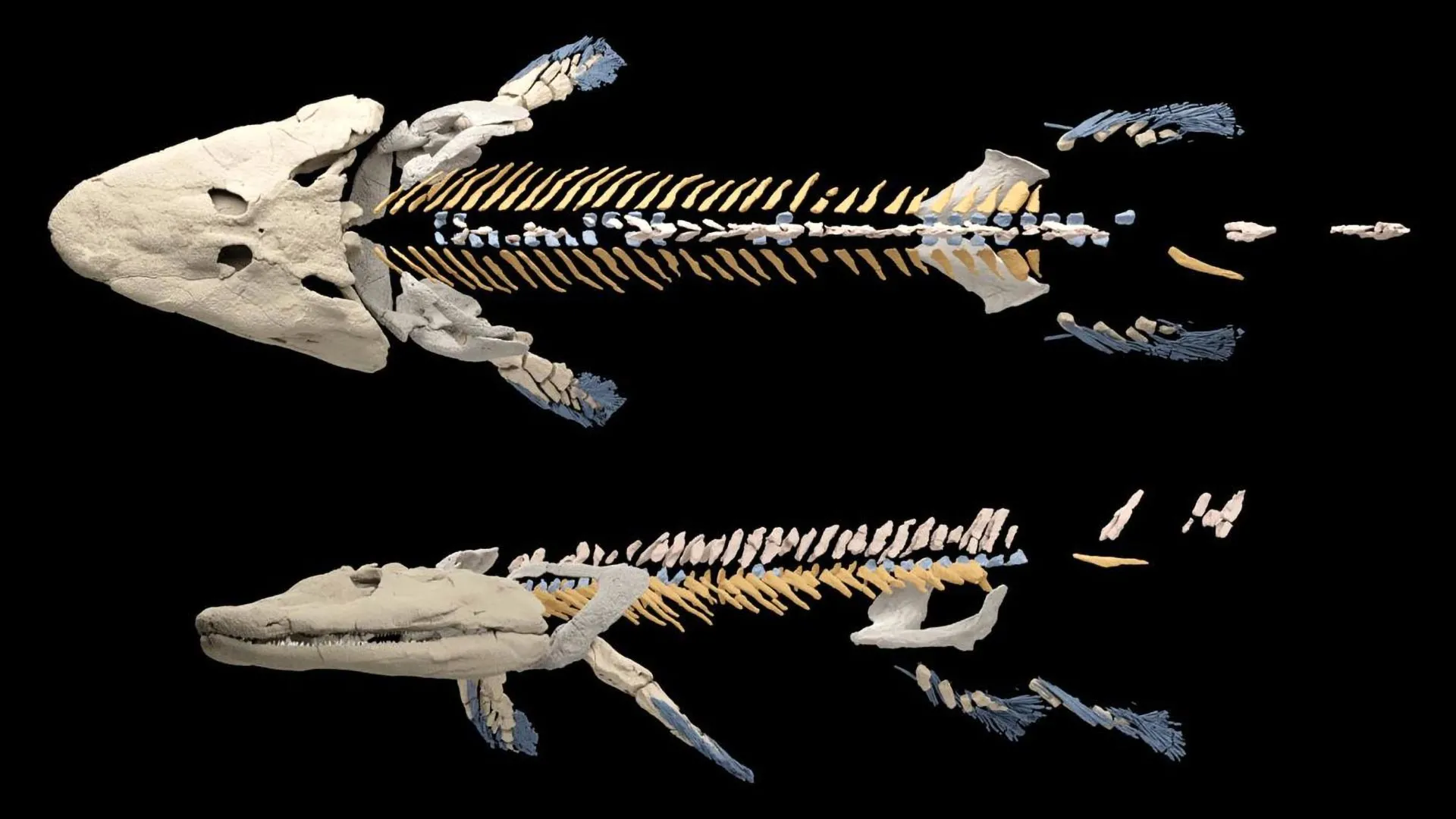
Scientists discover that necks didn’t evolve for the reason we thought
Scientists have discovered that the first animals to venture onto land nearly 380 million years ago had surprisingly stiff necks, overturning a long-standing theory about
Scientists have discovered that the first animals to venture onto land nearly 380 million years ago had surprisingly stiff necks, overturning a long-standing theory about

Scientists reveal a hidden snakebite crisis killing up to 513,000 people a year
A startling new study suggests that venomous snakebites are killing far more people worldwide than official statistics indicate, with an estimated 274,000 to 513,000 deaths
A startling new study suggests that venomous snakebites are killing far more people worldwide than official statistics indicate, with an estimated 274,000 to 513,000 deaths
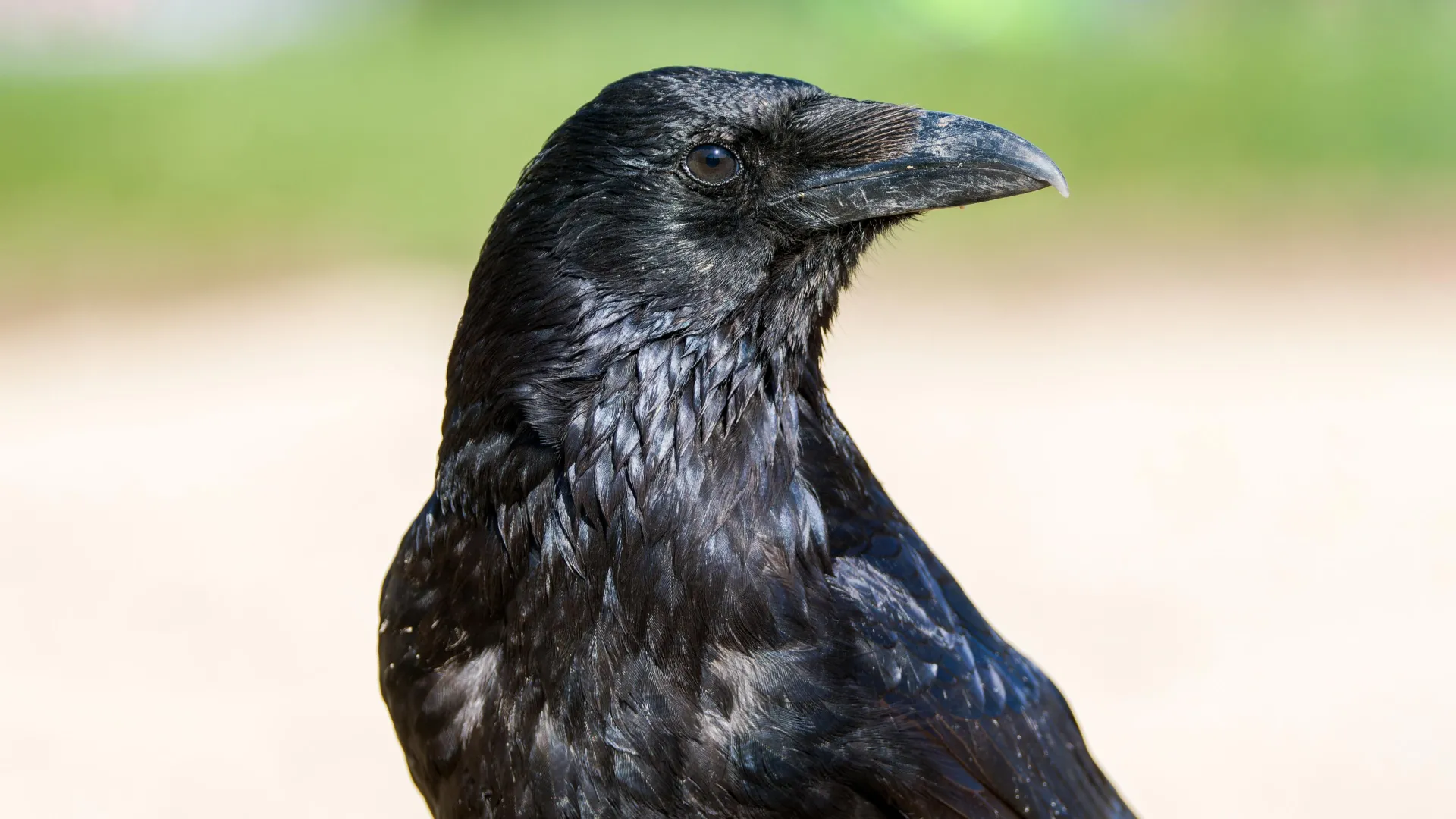
Crows can make decisions twice as fast as humans, scientists discover
Crows may be even smarter than we thought, and their brains are astonishingly fast. Researchers at the University of Tübingen discovered that crows can make
Crows may be even smarter than we thought, and their brains are astonishingly fast. Researchers at the University of Tübingen discovered that crows can make