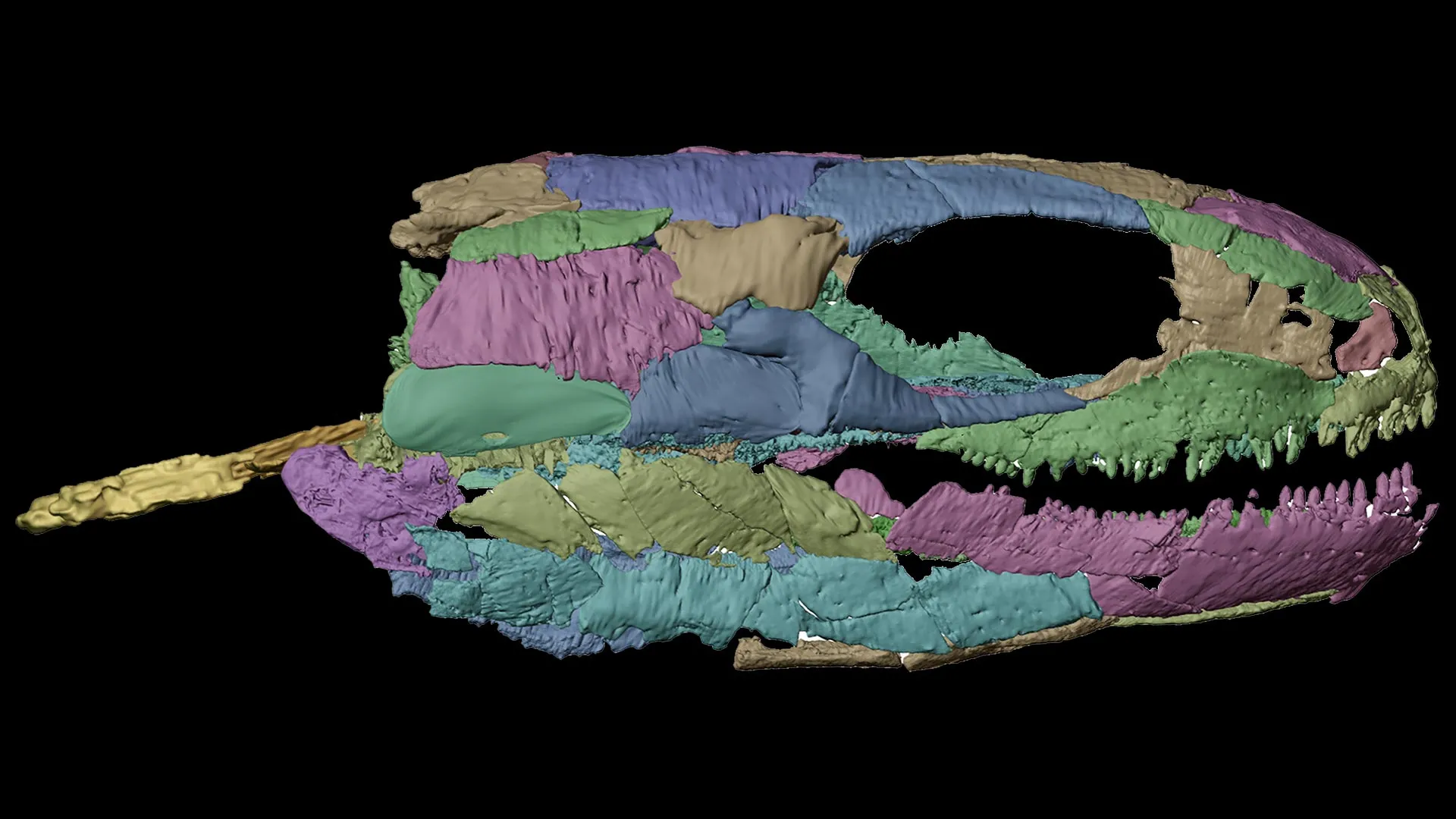
A famous 345-million-year-old fossil has turned out to be something entirely different from what scientists believed for decades. Advanced X-ray imaging revealed hidden gills and thousands of tiny teeth, exposing a primitive aquatic or amphibious creature rather than an early reptile. The discovery suggests that several adaptations associated with life on land actually evolved in animals still dependent on water.
Related Posts
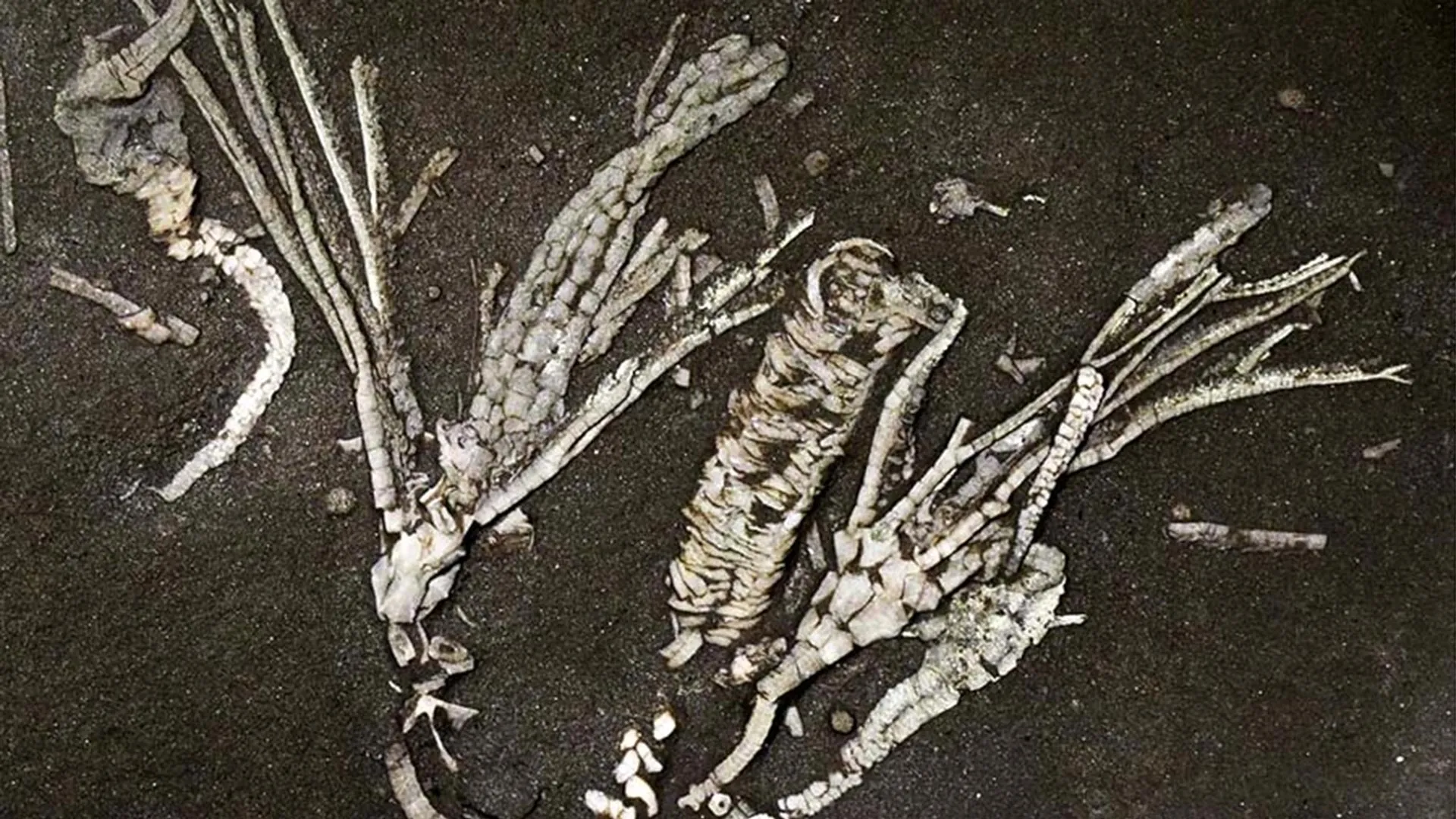
Paleontologists discover “one-in-a-million” fossil with 450-million-year-old soft tissue
Scientists have discovered a remarkably preserved 450-million-year-old fossil containing soft tissues from an ancient starfish relative, revealing unexpected details about marine life more than 200
Scientists have discovered a remarkably preserved 450-million-year-old fossil containing soft tissues from an ancient starfish relative, revealing unexpected details about marine life more than 200
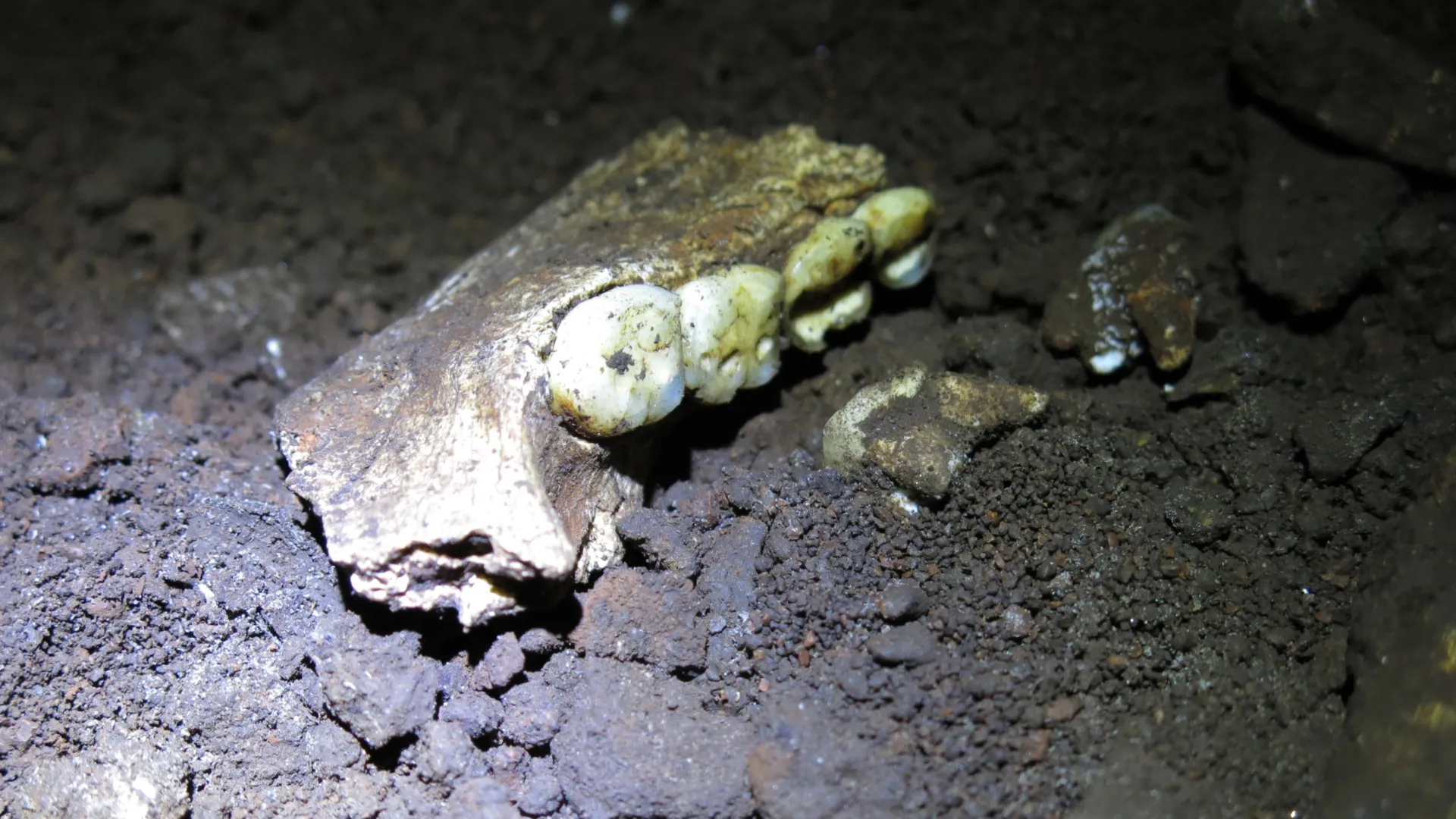
Where are all the males? Ancient human fossils reveal a startling mystery
A remarkable discovery in a South African cave suggests that an extinct human relative may have created an all-female burial site more than 240,000 years
A remarkable discovery in a South African cave suggests that an extinct human relative may have created an all-female burial site more than 240,000 years
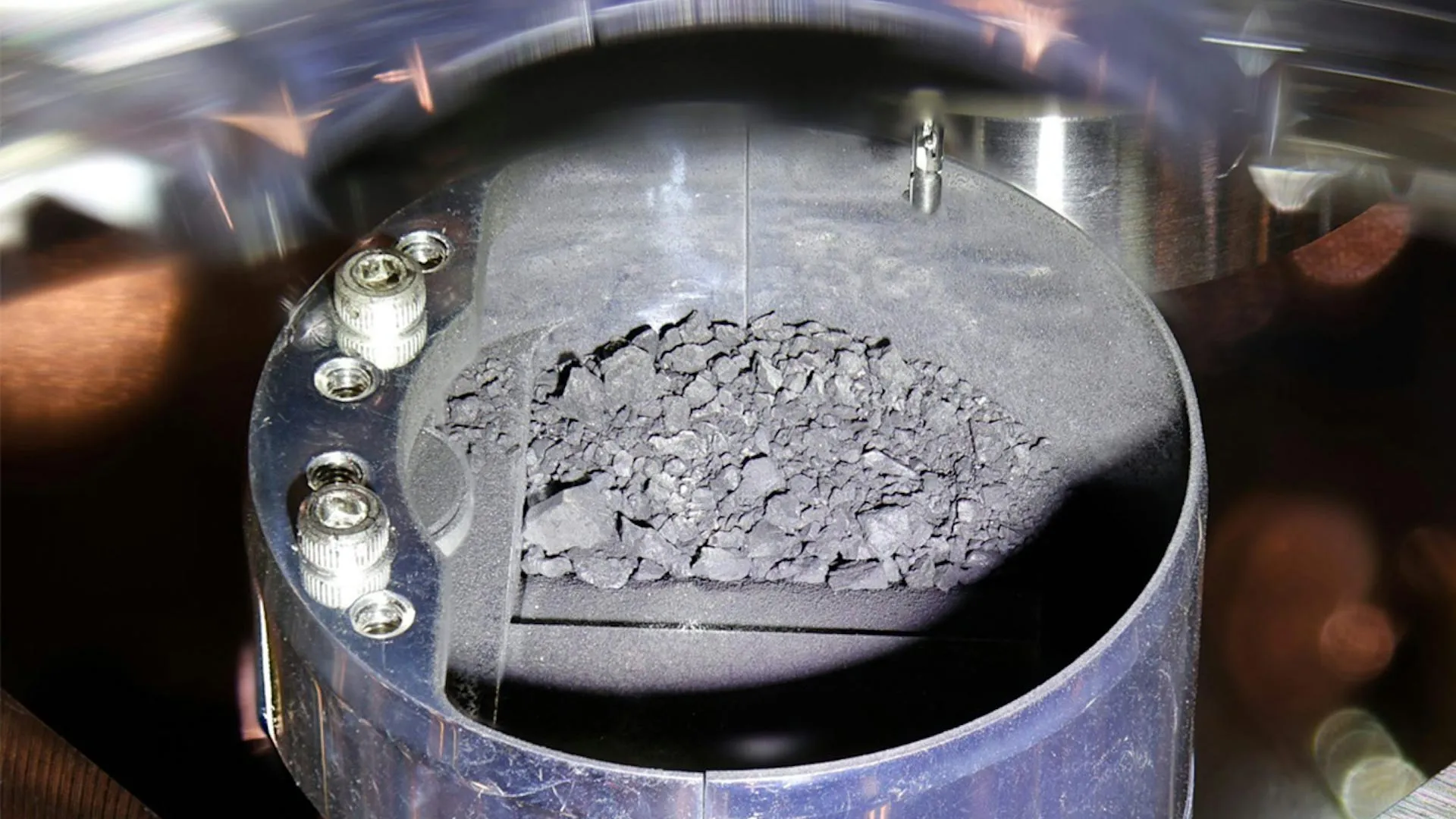
All 5 genetic “letters” of DNA and RNA discovered in a 4.5-billion-year-old asteroid
Scientists have discovered all five essential nucleobases used in DNA and RNA in pristine samples from asteroid Ryugu, revealing that key ingredients for life existed
Scientists have discovered all five essential nucleobases used in DNA and RNA in pristine samples from asteroid Ryugu, revealing that key ingredients for life existed