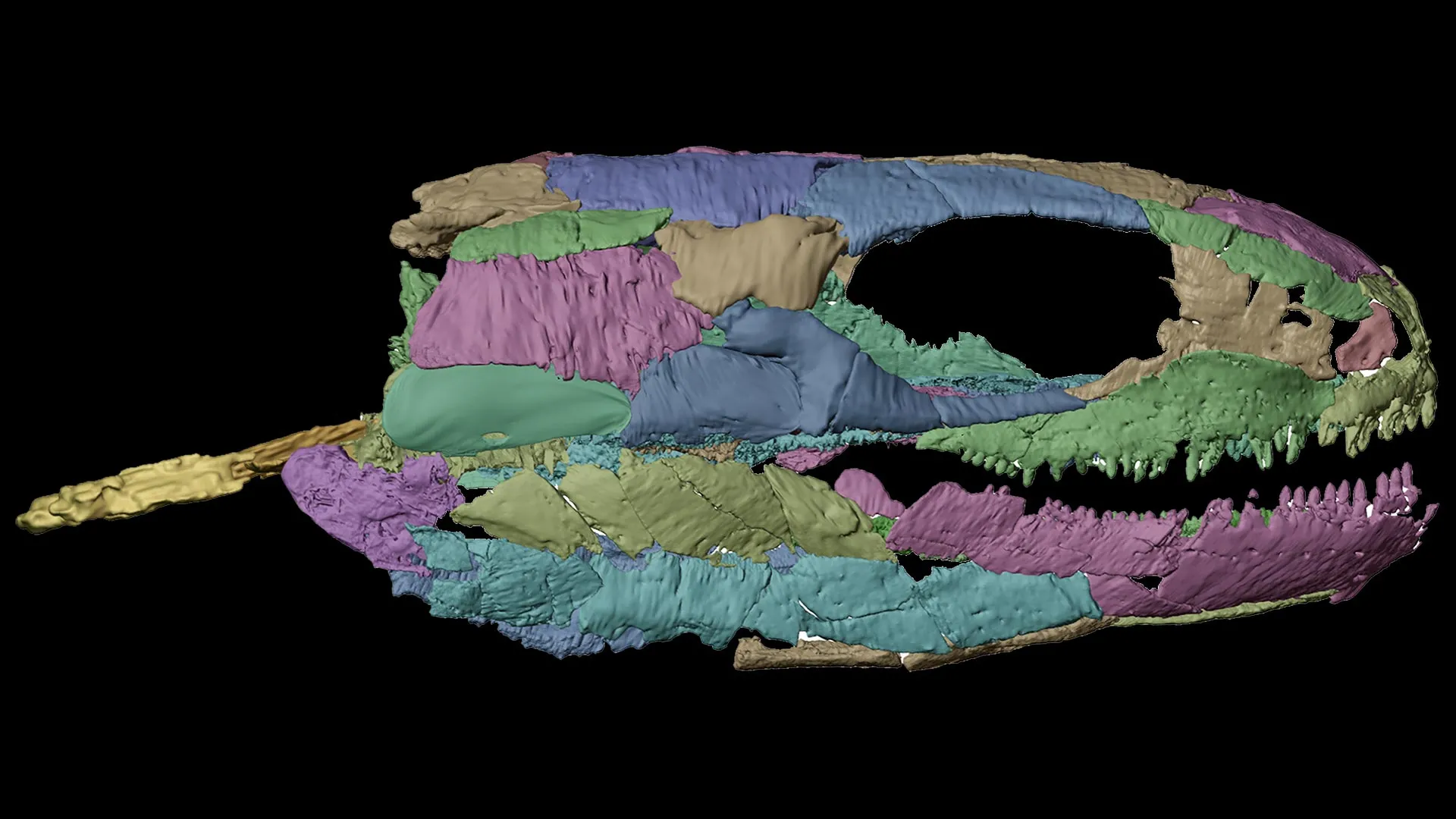
A famous 345-million-year-old fossil has turned out to be something entirely different from what scientists believed for decades. Advanced X-ray imaging revealed hidden gills and thousands of tiny teeth, exposing a primitive aquatic or amphibious creature rather than an early reptile. The discovery suggests that several adaptations associated with life on land actually evolved in animals still dependent on water.
Related Posts
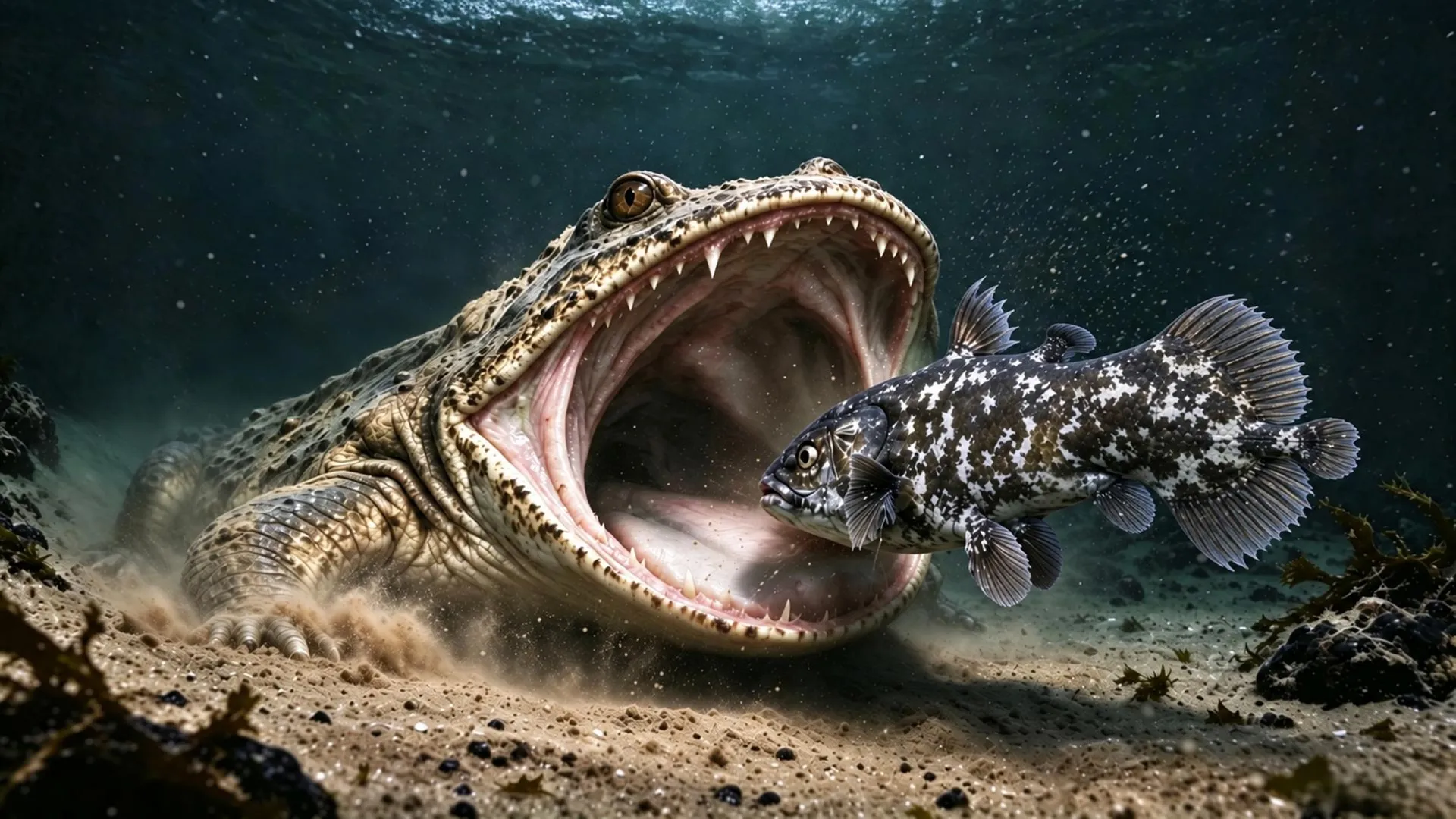
237-million-year-old fossils reveal a bizarre armored sea amphibian
A bizarre, heavily armored amphibian roamed the oceans 237 million years ago, despite the fact that modern amphibians cannot survive entirely in saltwater. Discovered in
A bizarre, heavily armored amphibian roamed the oceans 237 million years ago, despite the fact that modern amphibians cannot survive entirely in saltwater. Discovered in
Man ‘disembowelled by a hippo on his honeymoon’
A hippopotamus bit into the man’s lower body and took him underwater in Botswana (file image) (Picture: Getty Images) A newlywed man was left with
A hippopotamus bit into the man’s lower body and took him underwater in Botswana (file image) (Picture: Getty Images) A newlywed man was left with

An ancient virus may help explain what makes the human brain different
A virus that infected chimpanzees millions of years ago may have helped shape one of the most important differences between humans and our closest relatives:
A virus that infected chimpanzees millions of years ago may have helped shape one of the most important differences between humans and our closest relatives: