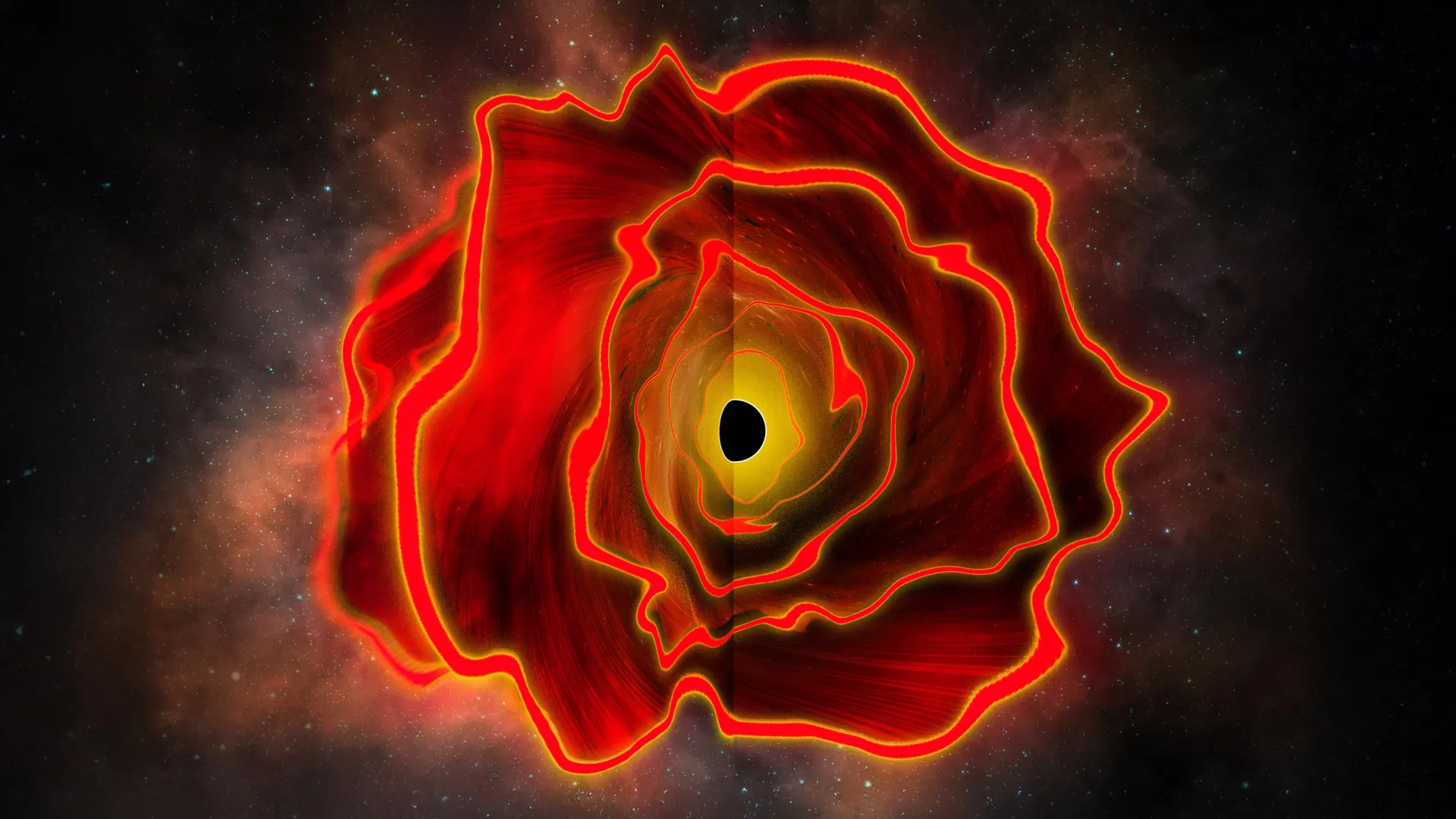
Astronomers using the James Webb Space Telescope have discovered a bizarre object from just a few hundred million years after the Big Bang that looks like an enormous star but shines far too brightly to actually be one. The mysterious red object, dubbed a “black hole star,” may contain a black hole about 100,000 times the mass of the Sun wrapped inside a dense, star-like cocoon of hydrogen roughly the size of our solar system.
Related Posts
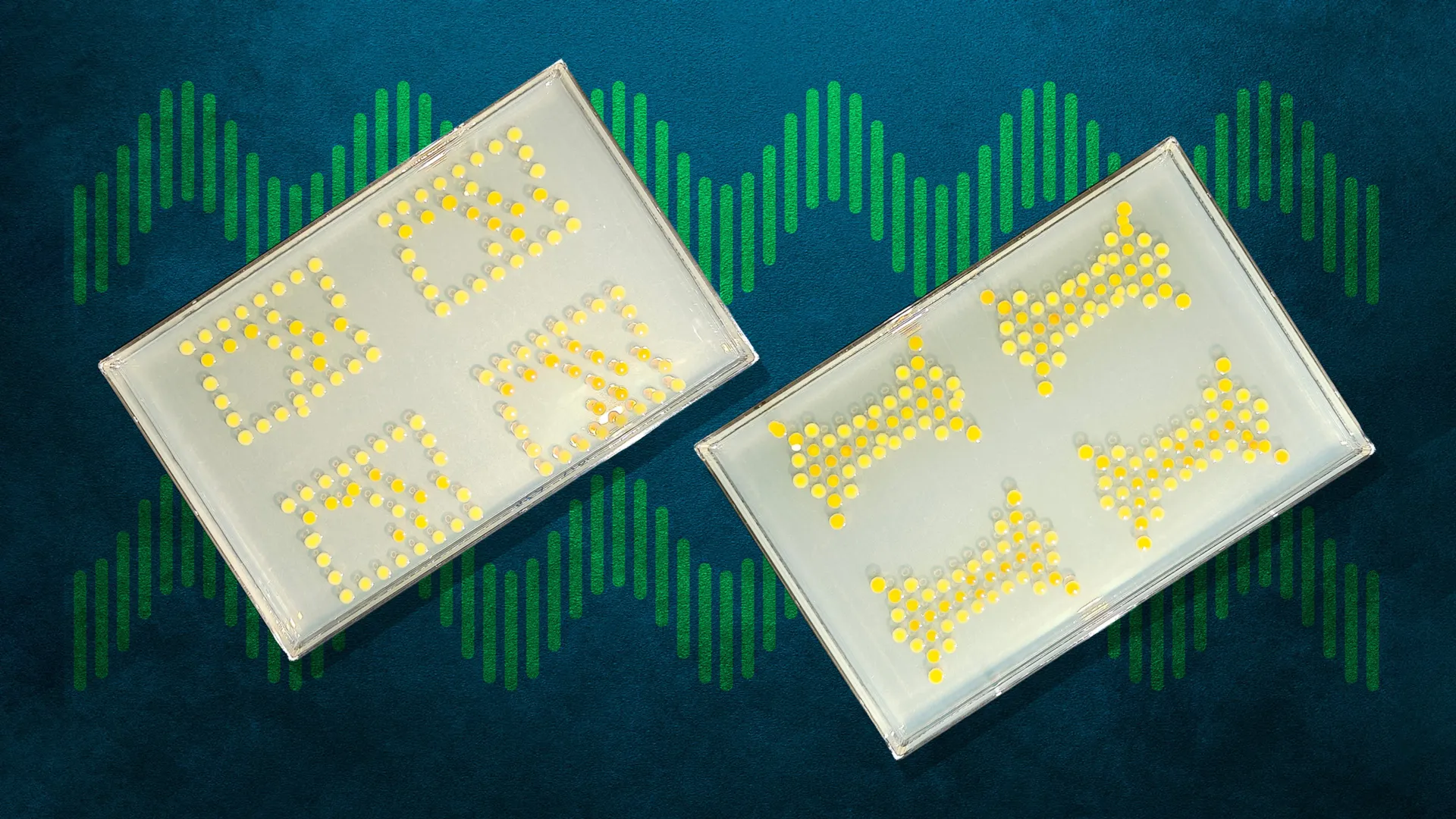
MIT turns bacteria into living transistors
MIT researchers have created bacterial “transistors” that can be wired together into living circuits capable of performing calculations and directing chemical signals. One day, these
MIT researchers have created bacterial “transistors” that can be wired together into living circuits capable of performing calculations and directing chemical signals. One day, these
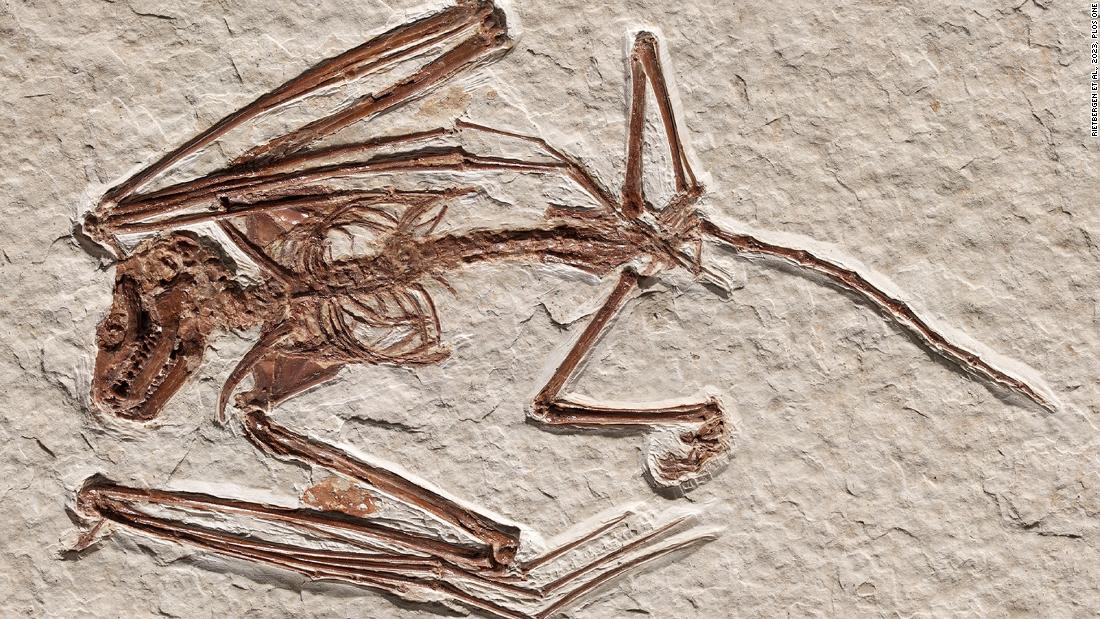
This bat fossil could fill in a piece of the evolutionary puzzle
Two 52 million-year-old bat skeletons discovered in an ancient lake bed in Wyoming are the oldest bat fossils ever found — and they reveal a
Two 52 million-year-old bat skeletons discovered in an ancient lake bed in Wyoming are the oldest bat fossils ever found — and they reveal a

Ancient “living fossils” may reveal how complex life began
A newly discovered microbe living inside ancient stromatolite communities may offer a rare look at how complex life first emerged. Researchers captured the first direct
A newly discovered microbe living inside ancient stromatolite communities may offer a rare look at how complex life first emerged. Researchers captured the first direct