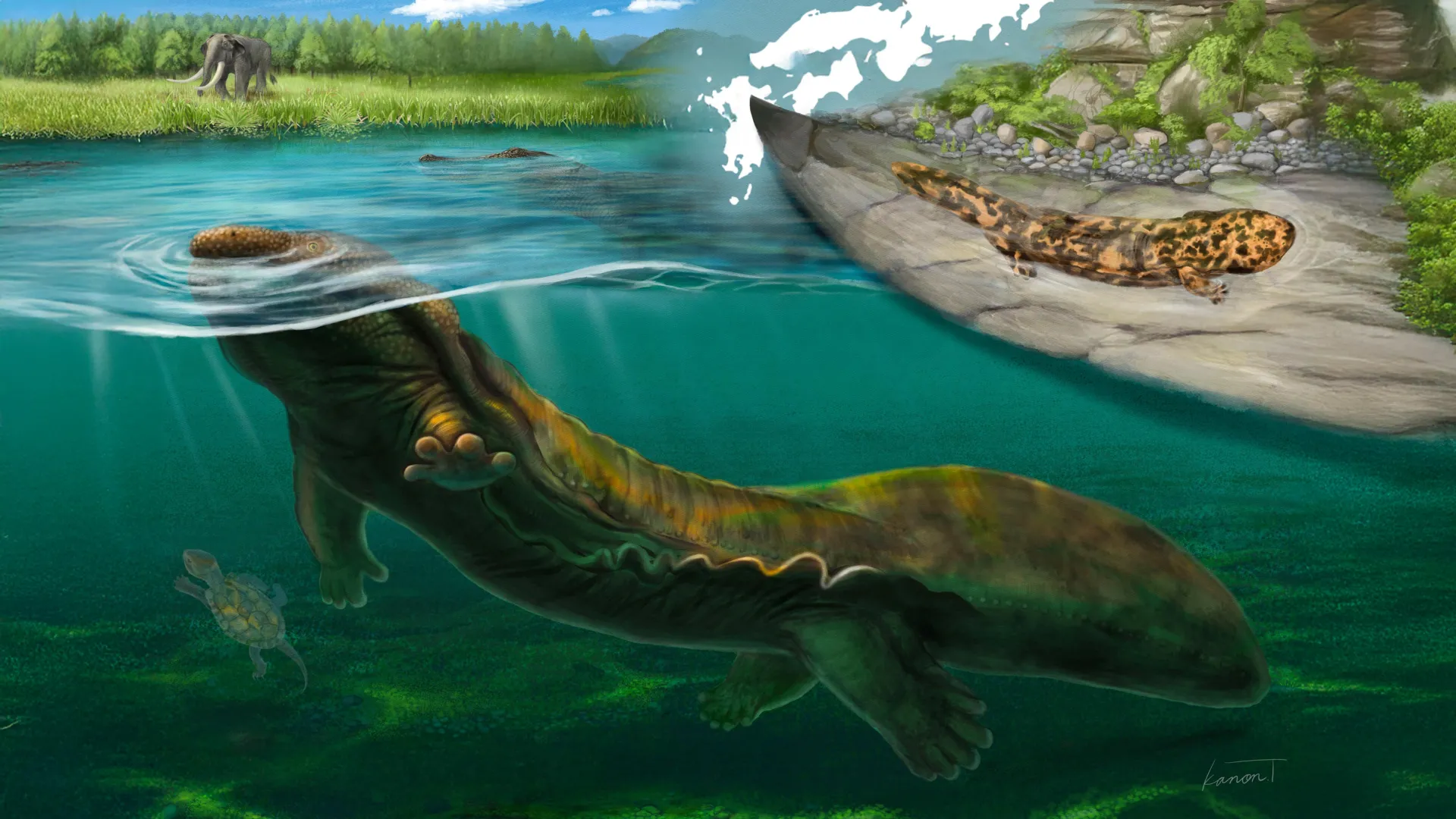
Fossils discovered in Japan more than two decades ago have finally been identified as a new genus and species of giant salamander. Limnospondylus ajimuensis lived around 3.5 million years ago in a warmer, wetter Kyushu and may have reached 1.1 meters in length. Its discovery hints that many more unknown giant salamanders could be hiding among fossils previously given the wrong classification.
Related Posts
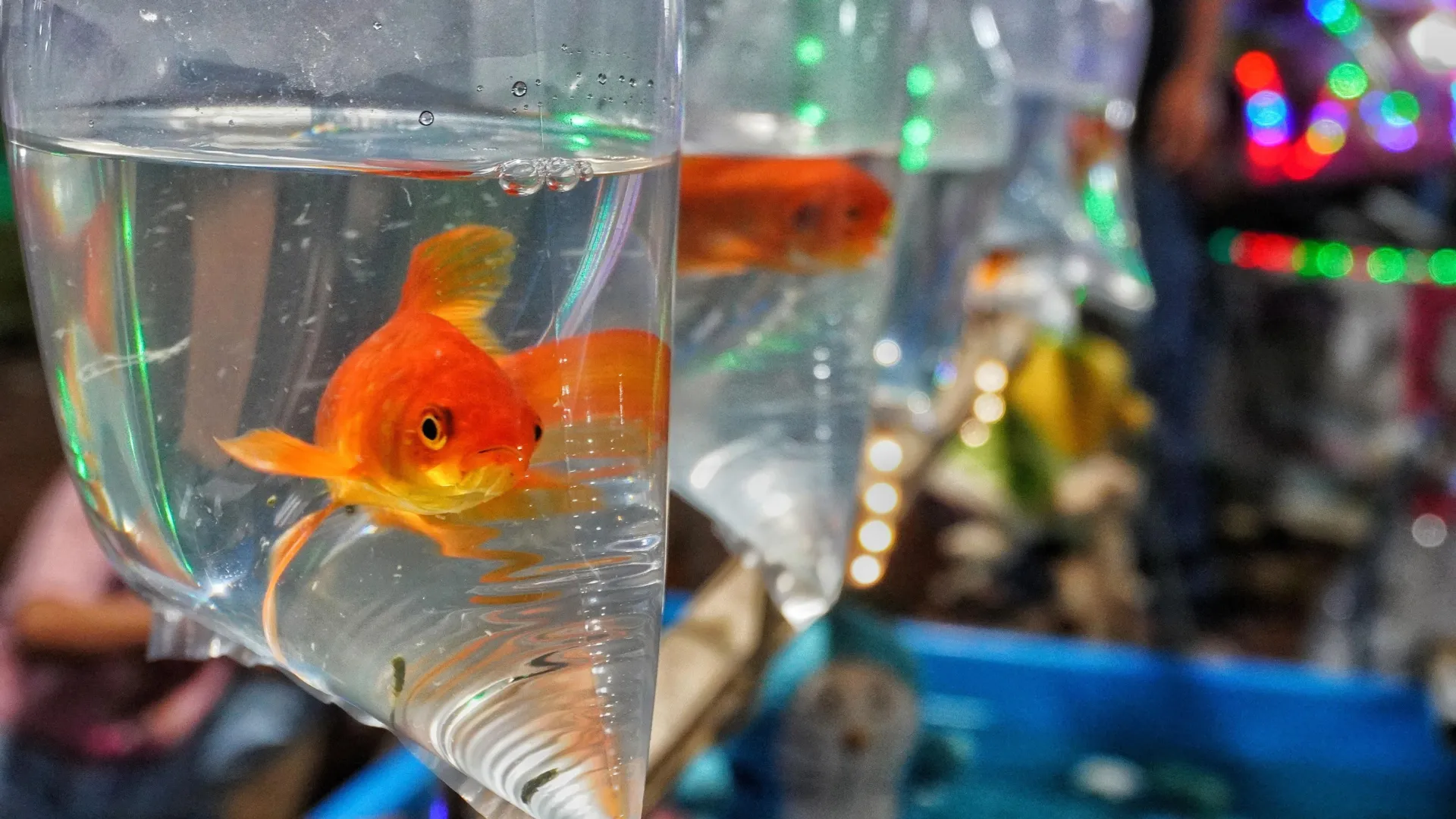
From pet to pest, goldfish can wreck entire ecosystems
A new study reveals that goldfish can do far more than survive in the wild—they can fundamentally reshape freshwater ecosystems. Researchers found they cloud water
A new study reveals that goldfish can do far more than survive in the wild—they can fundamentally reshape freshwater ecosystems. Researchers found they cloud water
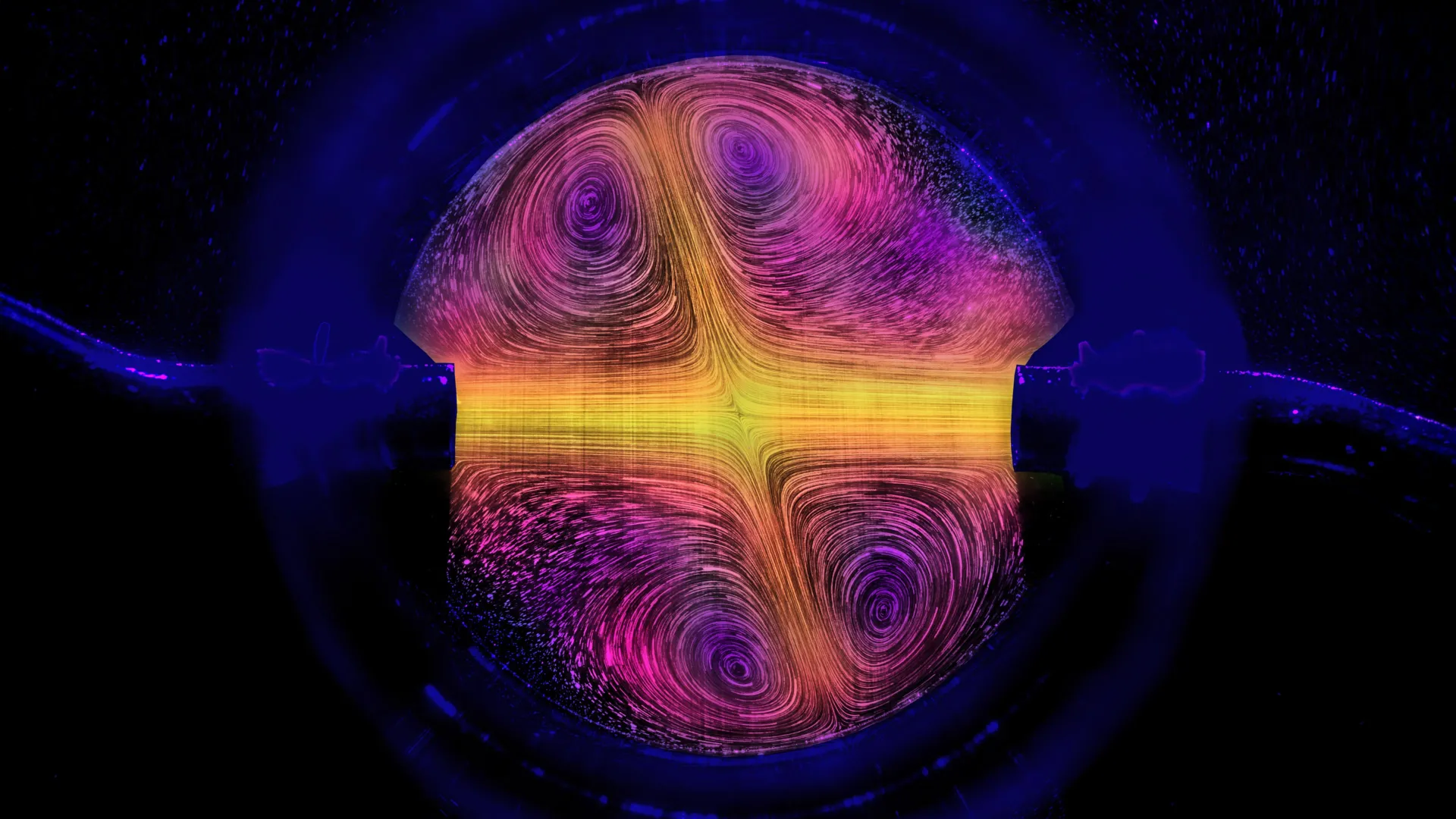
“Silly sprinklers” help scientists finally solve Feynman’s famous sprinkler mystery
A team of mathematicians used whimsical “silly sprinklers” to solve a physics mystery that has puzzled scientists for decades. Their experiments showed that the rotation
A team of mathematicians used whimsical “silly sprinklers” to solve a physics mystery that has puzzled scientists for decades. Their experiments showed that the rotation

The secret language behind animal cooperation
Animals from different species often rely on surprisingly sophisticated communication to work together, whether finding food, cleaning parasites, or gaining protection. New research suggests these
Animals from different species often rely on surprisingly sophisticated communication to work together, whether finding food, cleaning parasites, or gaining protection. New research suggests these