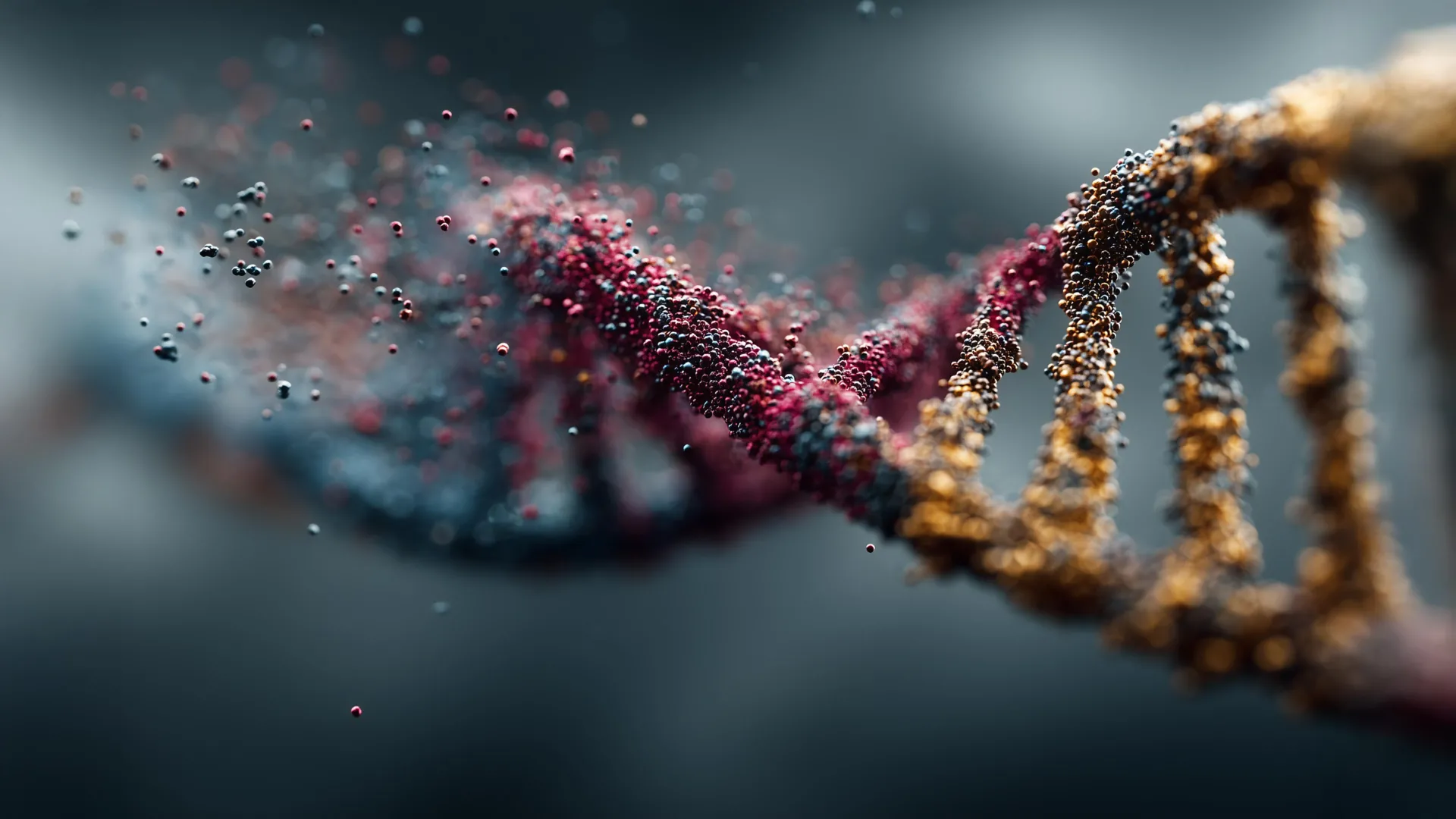
Scientists accidentally discovered a microscopic organism with a genetic code that breaks a rule researchers thought was nearly universal. While testing a new DNA sequencing technique, they examined a previously unknown protist collected from a freshwater pond at Oxford University. To their surprise, the organism uses two genetic signals that normally mark the end of a gene to encode two entirely different amino acids instead. These signals were previously thought to evolve together, making the discovery particularly remarkable.
Related Posts
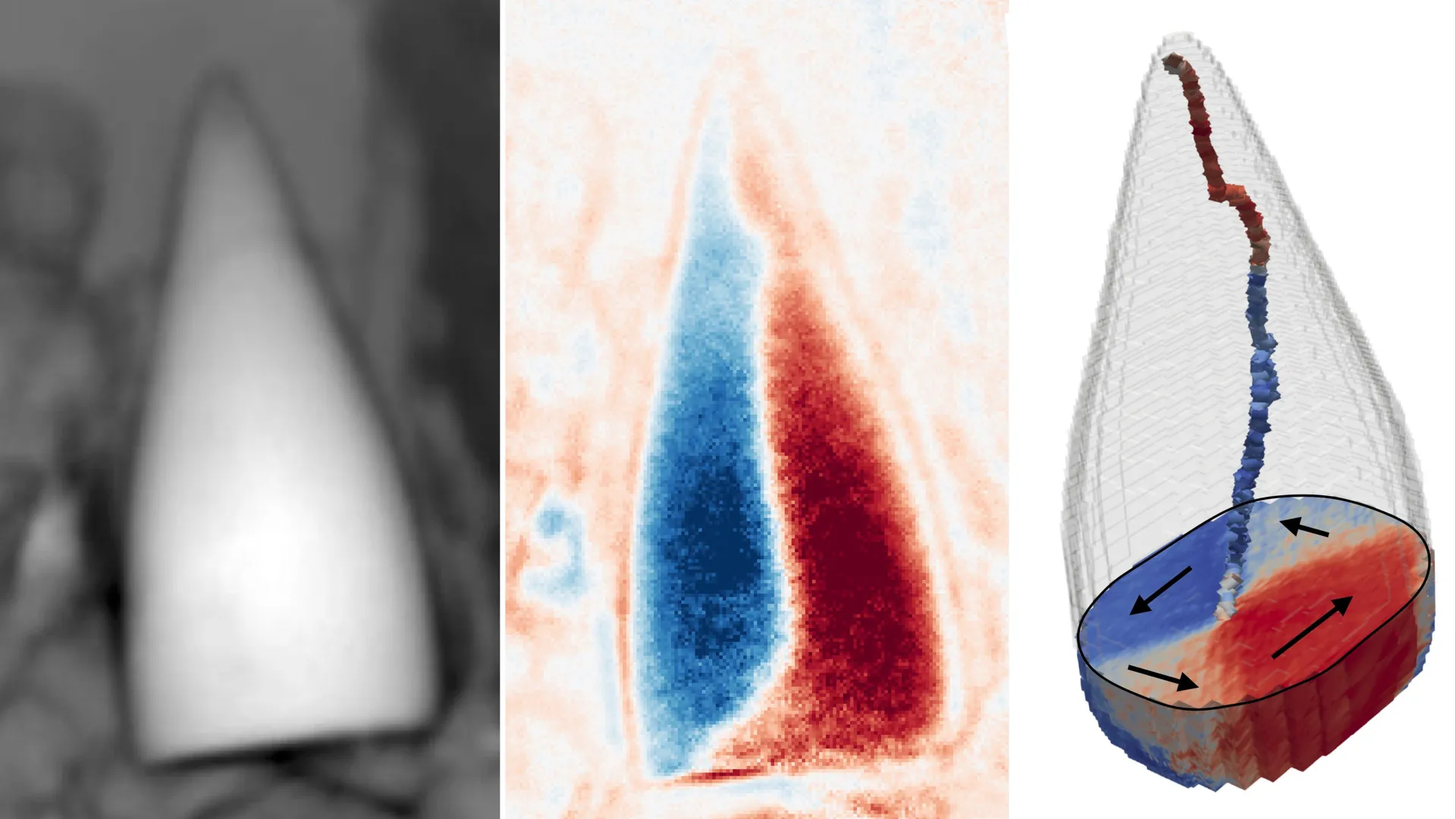
97-million-year-old fossils reveal the earliest known animal “GPS”
Mysterious 97-million-year-old magnetic fossils may be the oldest evidence of an animal using Earth’s magnetic field like a built-in GPS. Their sophisticated magnetic structure could
Mysterious 97-million-year-old magnetic fossils may be the oldest evidence of an animal using Earth’s magnetic field like a built-in GPS. Their sophisticated magnetic structure could

Desperate for heart surgery for their baby, a family feels the effects of pediatric hospital shortages
Even before their daughter was born in June, Aaron and Helen Chavez knew she would need heart surgery. Doctors expected her to have an operation
Even before their daughter was born in June, Aaron and Helen Chavez knew she would need heart surgery. Doctors expected her to have an operation

“We found something never seen before” – A dead star is producing a shock wave that shouldn’t exist
A dead white dwarf with no detectable disk has somehow produced a powerful shock wave that appears to have persisted for at least 1,000 years.
A dead white dwarf with no detectable disk has somehow produced a powerful shock wave that appears to have persisted for at least 1,000 years.