
A sweeping analysis of thousands of animal genomes suggests that chromosomes do not evolve randomly but instead follow a limited number of irreversible “evolutionary highways.” These one-way genetic changes preserve clues to more than 600 million years of animal history and could even help researchers explore where evolution may head next.
Related Posts
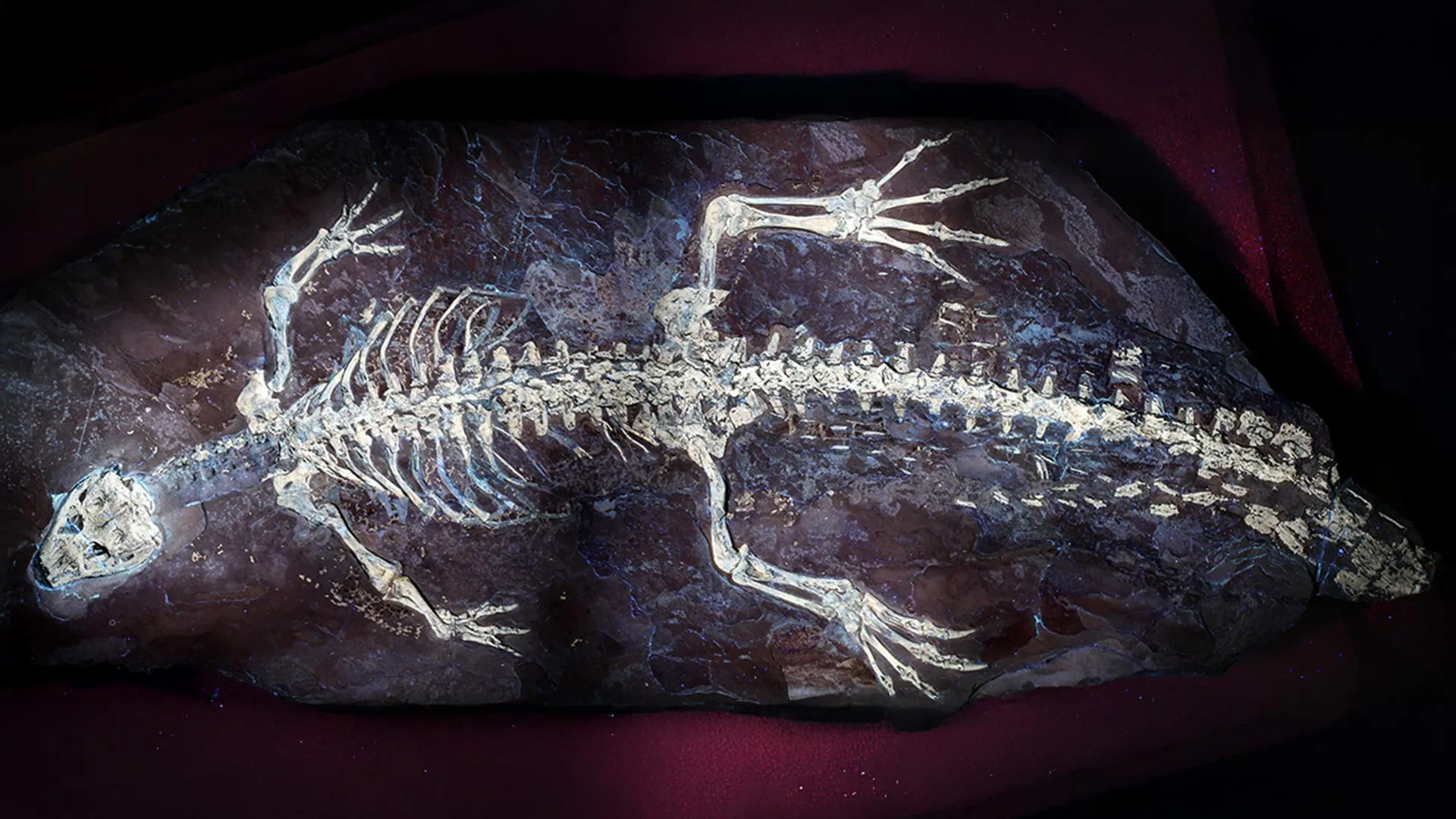
UV light reveals possible camouflage on a 125-million-year-old crocodile
A 125-million-year-old crocodile fossil has revealed preserved skin, possible sensory organs, sophisticated respiratory structures, and an unexpected pattern on its tail. Ultraviolet light exposed alternating
A 125-million-year-old crocodile fossil has revealed preserved skin, possible sensory organs, sophisticated respiratory structures, and an unexpected pattern on its tail. Ultraviolet light exposed alternating

Cancer is rising in younger adults. Faster biological aging may help explain why
Cancer rates are rising in adults under 55, and new research suggests accelerated biological aging may be one piece of the puzzle. Scientists found that
Cancer rates are rising in adults under 55, and new research suggests accelerated biological aging may be one piece of the puzzle. Scientists found that
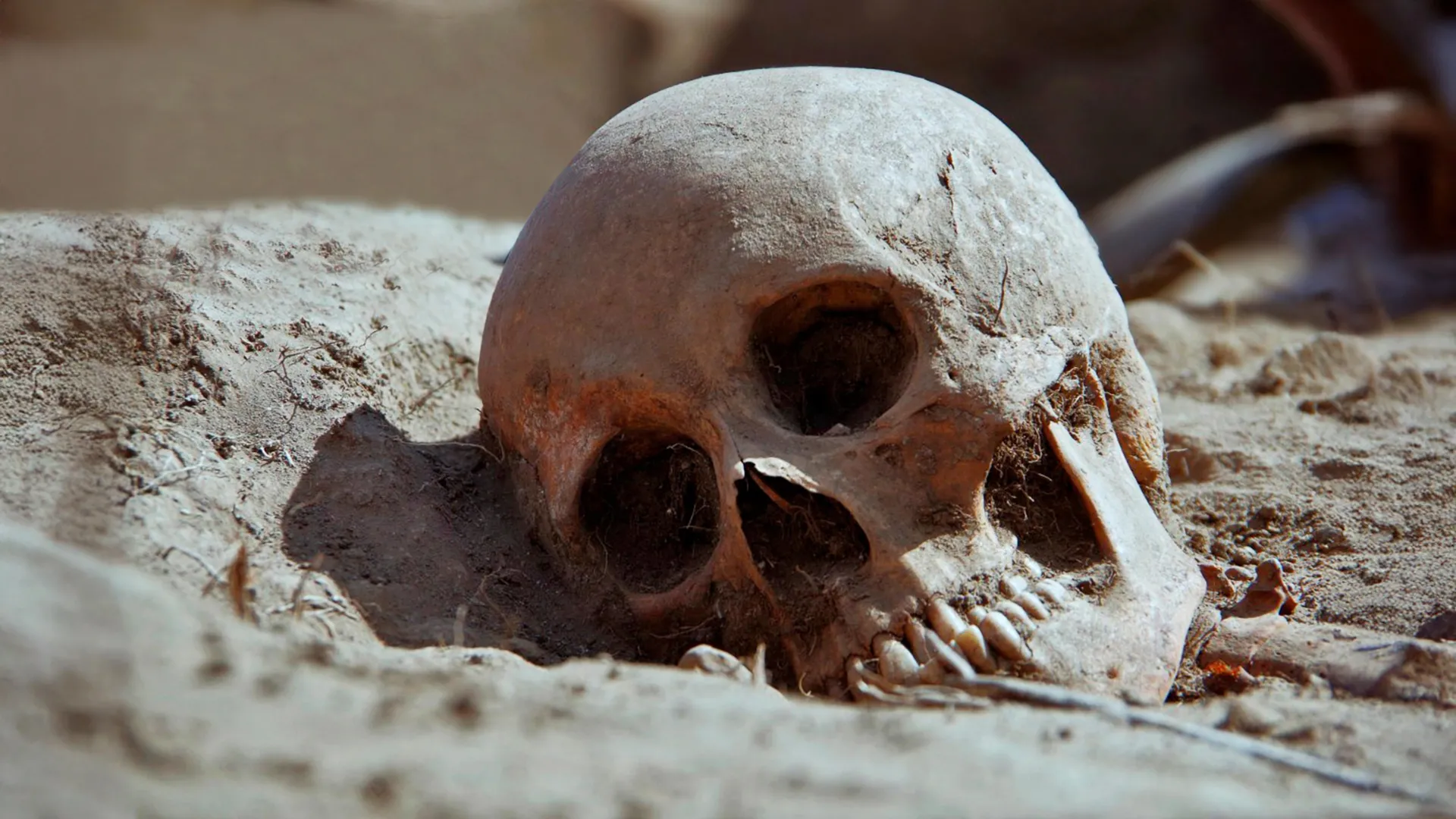
Ancient DNA reveals how plague kept returning for 400 years after the Black Death
Ancient DNA reveals that plague repeatedly returned to Europe for more than 400 years after the Black Death, evolving into new lineages and spreading through
Ancient DNA reveals that plague repeatedly returned to Europe for more than 400 years after the Black Death, evolving into new lineages and spreading through