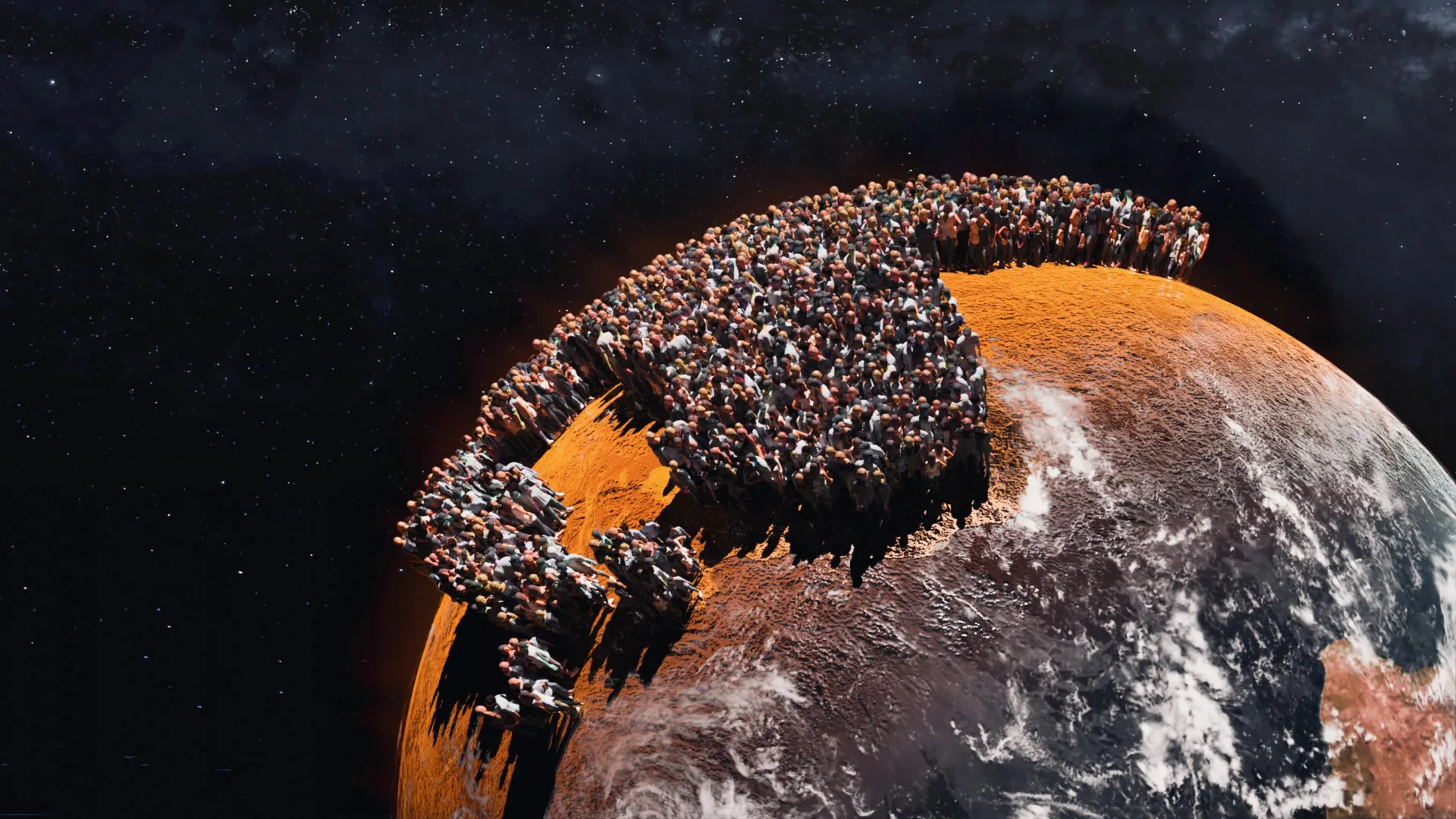
In 1960, scientists predicted that runaway population growth would bring humanity to the brink of destruction on November 13, 2026, and their mathematical forecasts remained surprisingly accurate for decades. But as birth rates declined and population growth slowed, the terrifying prediction unraveled, revealing how even convincing scientific models can fail when human behavior changes.
Related Posts
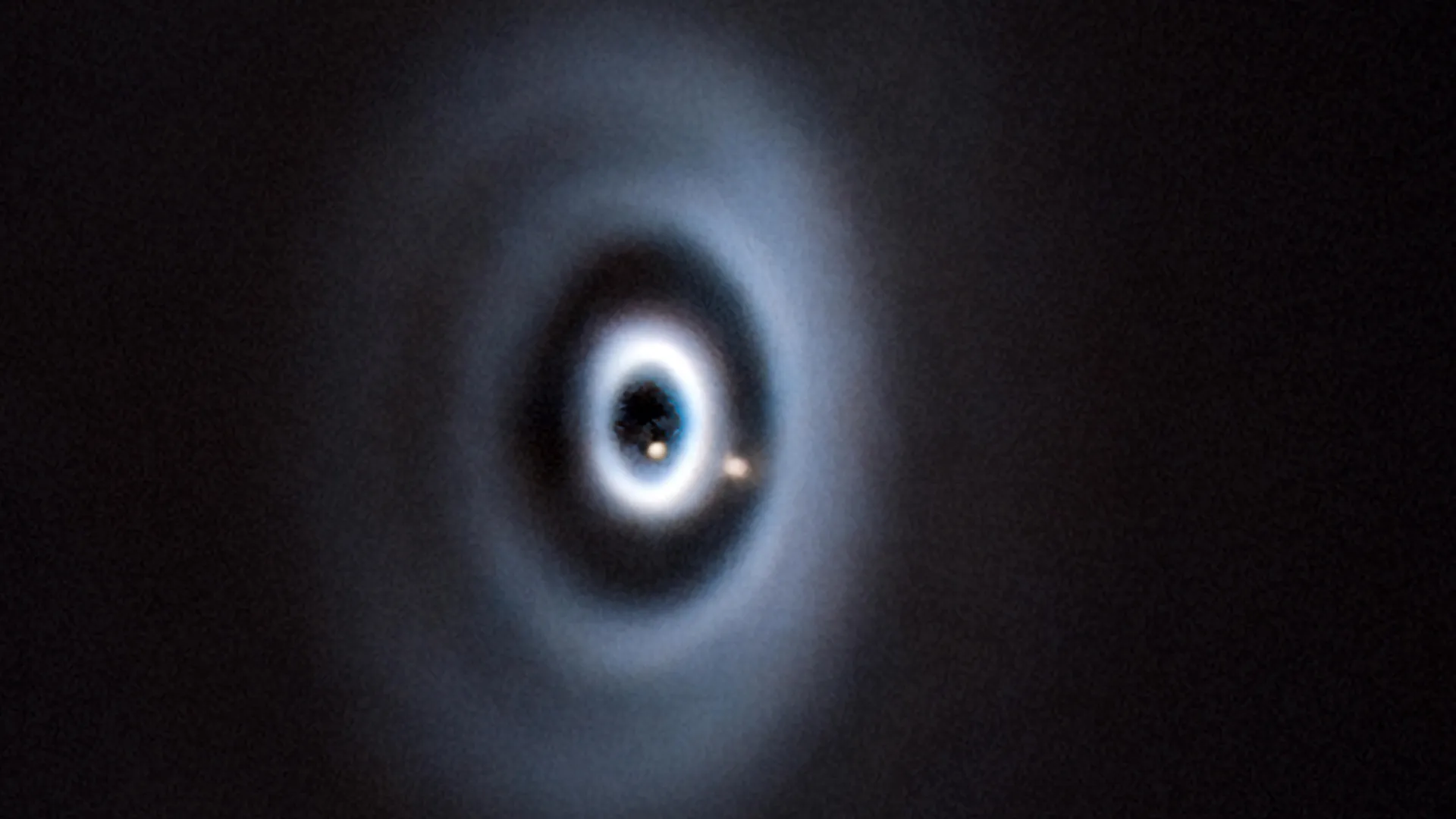
Scientists “truly astonished” by discovery that challenges Earth’s origin story
A new study suggests Earth formed almost entirely from material in the inner Solar System, challenging the idea that water-rich material from beyond Jupiter played
A new study suggests Earth formed almost entirely from material in the inner Solar System, challenging the idea that water-rich material from beyond Jupiter played
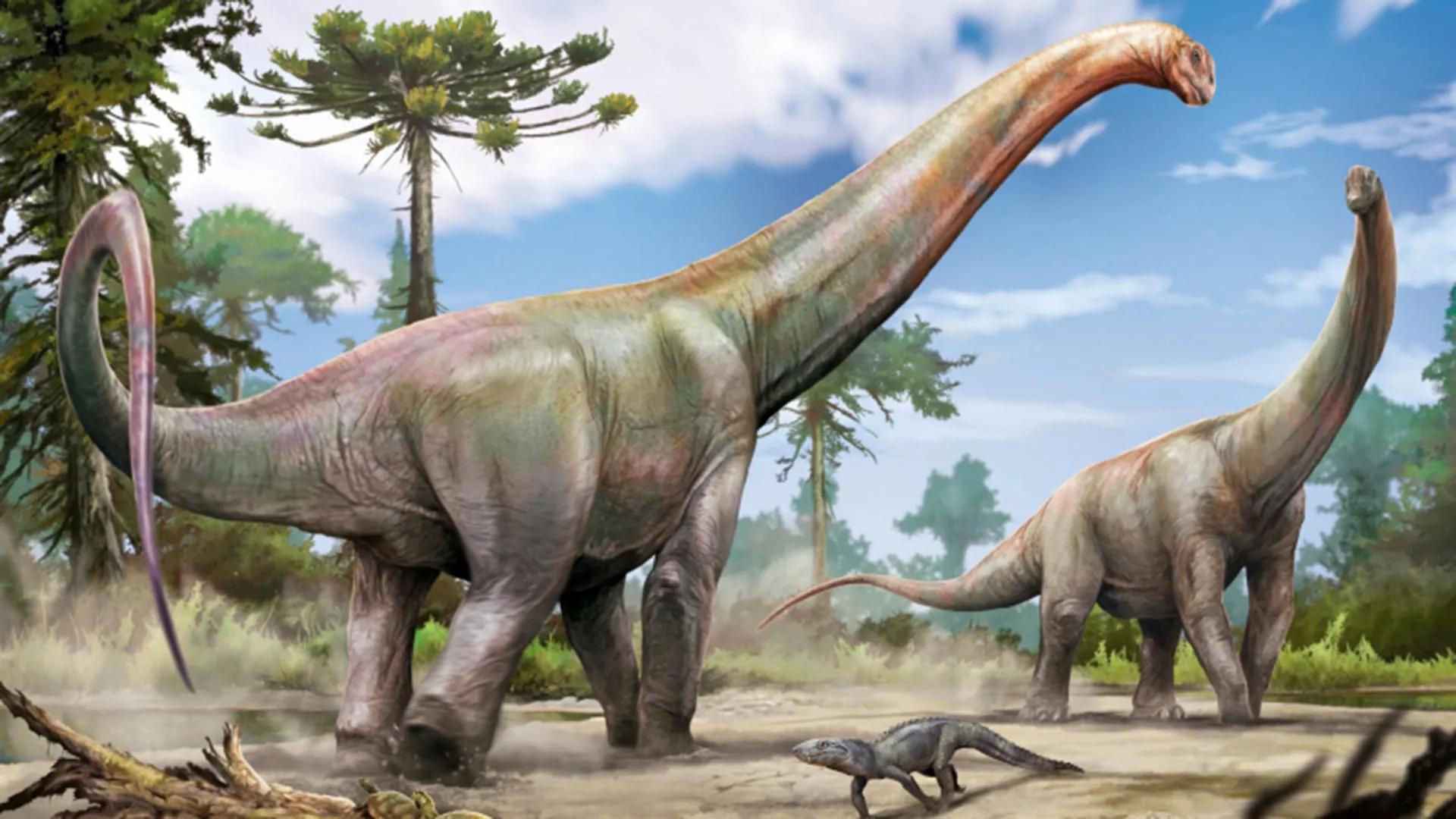
Giant new dinosaur discovered beneath construction site in Brazil
Scientists have identified a giant new dinosaur from Brazil that reached about 20 meters long and lived 120 million years ago. Its surprising evolutionary ties
Scientists have identified a giant new dinosaur from Brazil that reached about 20 meters long and lived 120 million years ago. Its surprising evolutionary ties
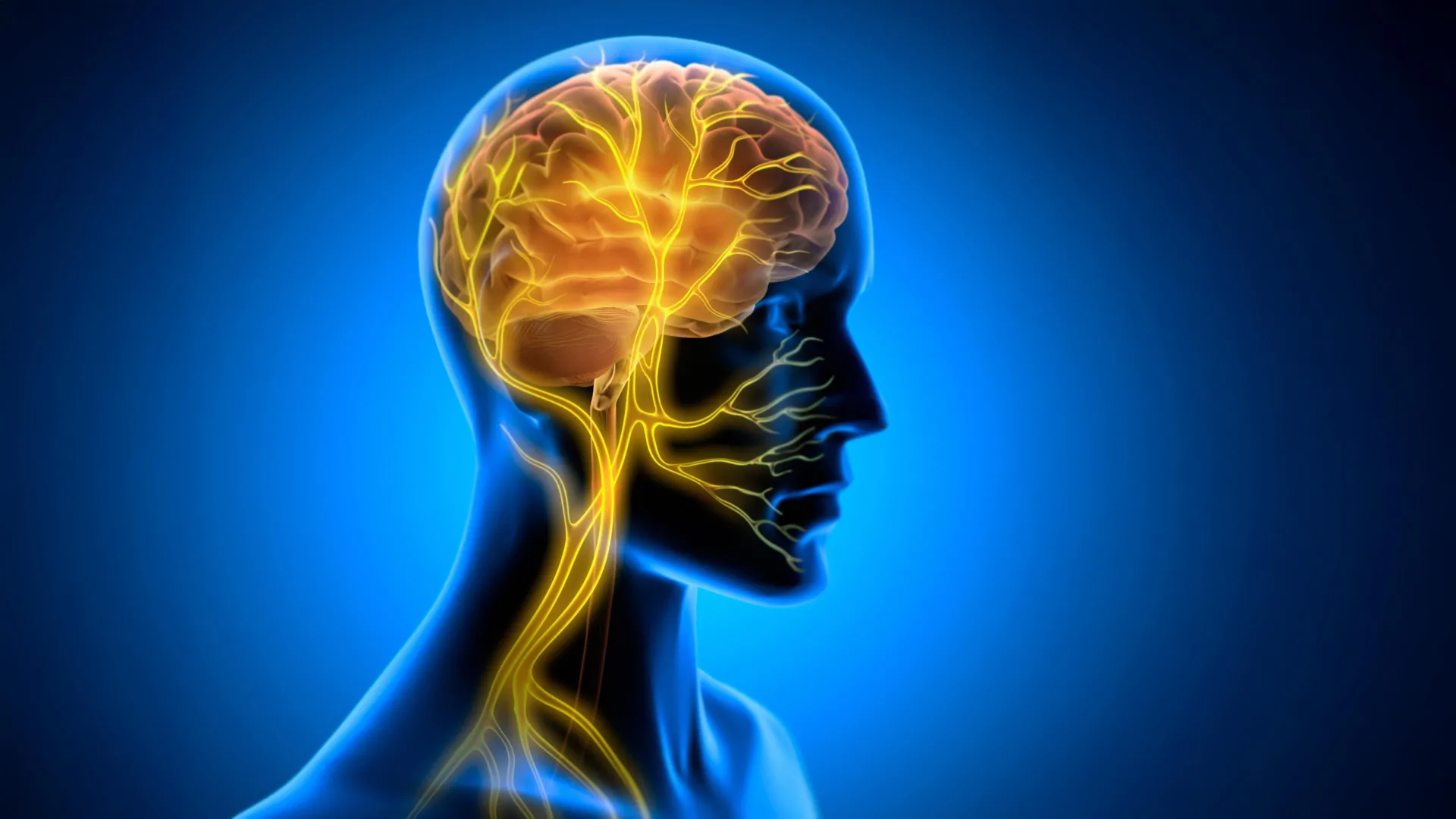
Vagus Nerve Stimulation Could Help New Skills Stick
Stimulating the vagus nerve after practice helped mice develop stronger long-term motor learning, revealing a potentially important window when the brain is still locking in
Stimulating the vagus nerve after practice helped mice develop stronger long-term motor learning, revealing a potentially important window when the brain is still locking in