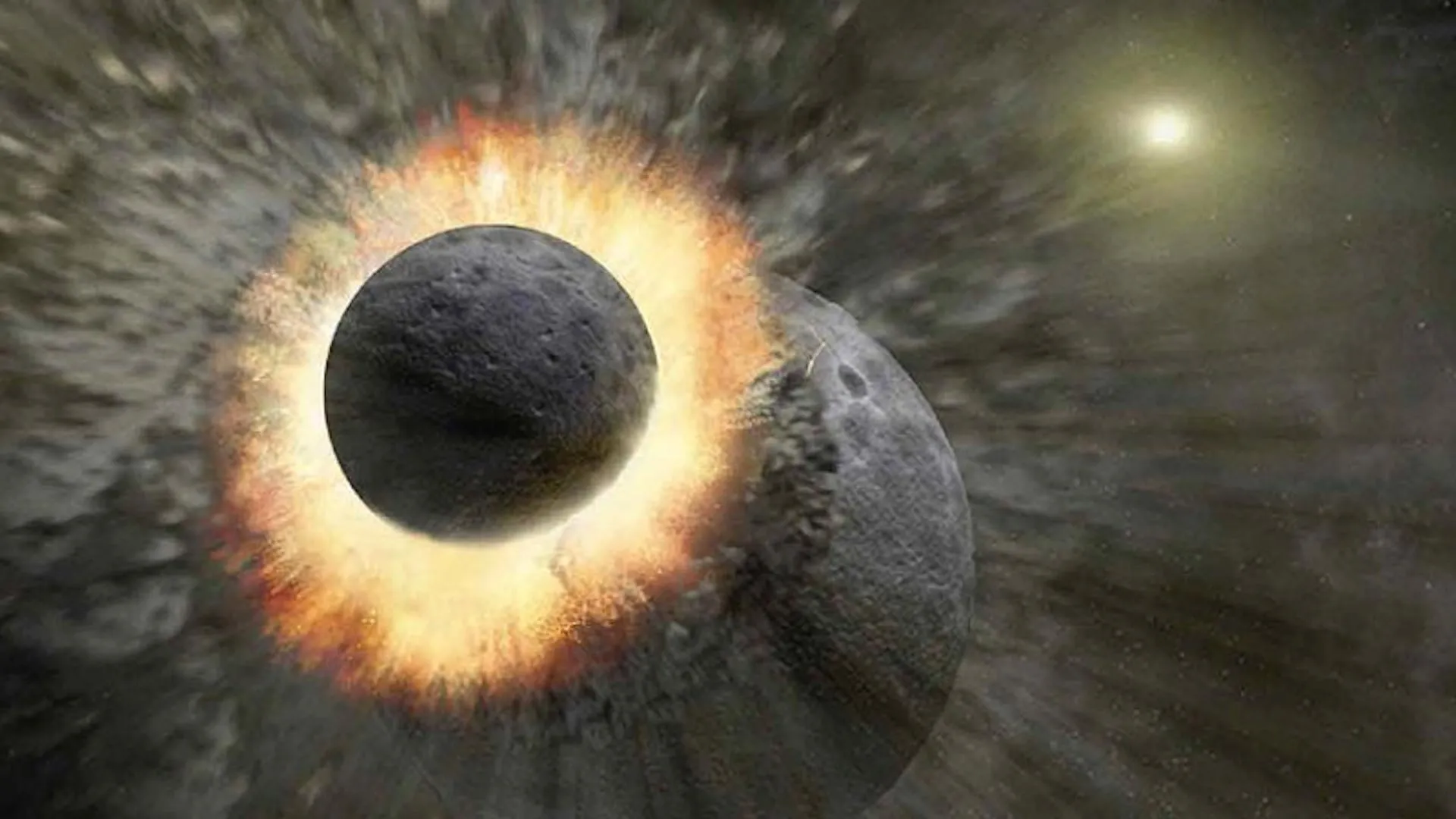
Scientists have discovered that the Moon-forming collision may have depended heavily on how hot and physically strong early Earth and Theia were. New simulations found that some impacts create the familiar disk of debris that later becomes the Moon, while others can produce an intact Moon in only about five hours. The results challenge the long-standing assumption that the enormous collision could be modeled as if both worlds behaved mostly like fluids.
Related Posts
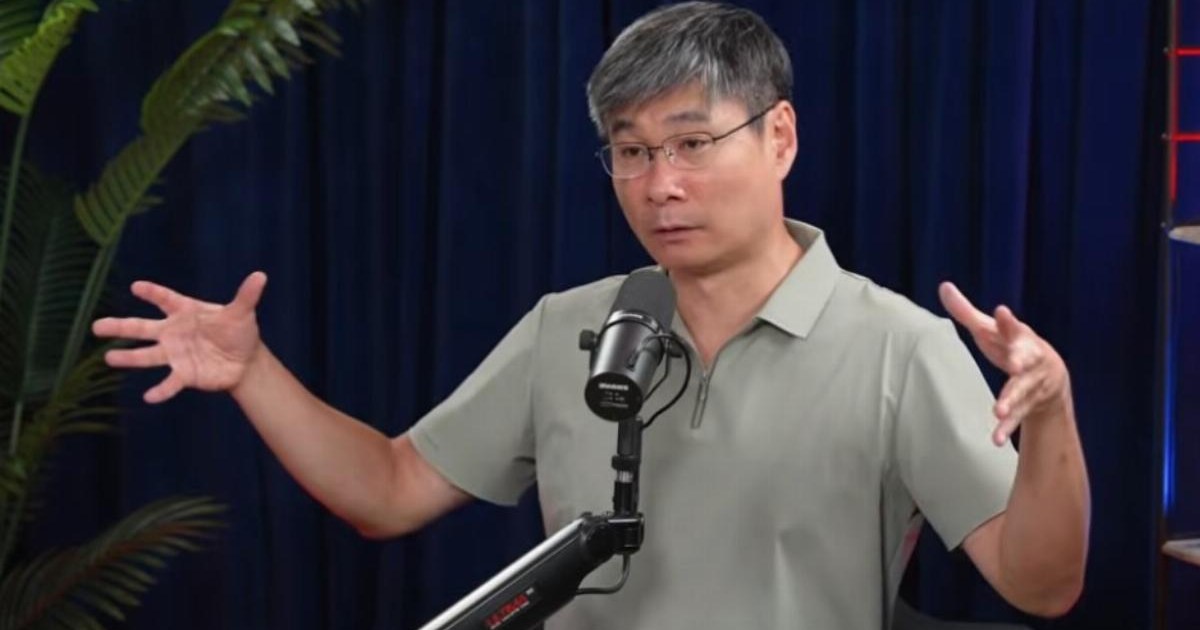
‘China’s Nostradamus’ makes 5 grim predictions for 2027
Jiang Xueqin has issued a bleak set of predictions for America (Picture: Youtube/Theo Von) A man known as ‘China’s Nostradamus’ has issued five rather bleak
Jiang Xueqin has issued a bleak set of predictions for America (Picture: Youtube/Theo Von) A man known as ‘China’s Nostradamus’ has issued five rather bleak
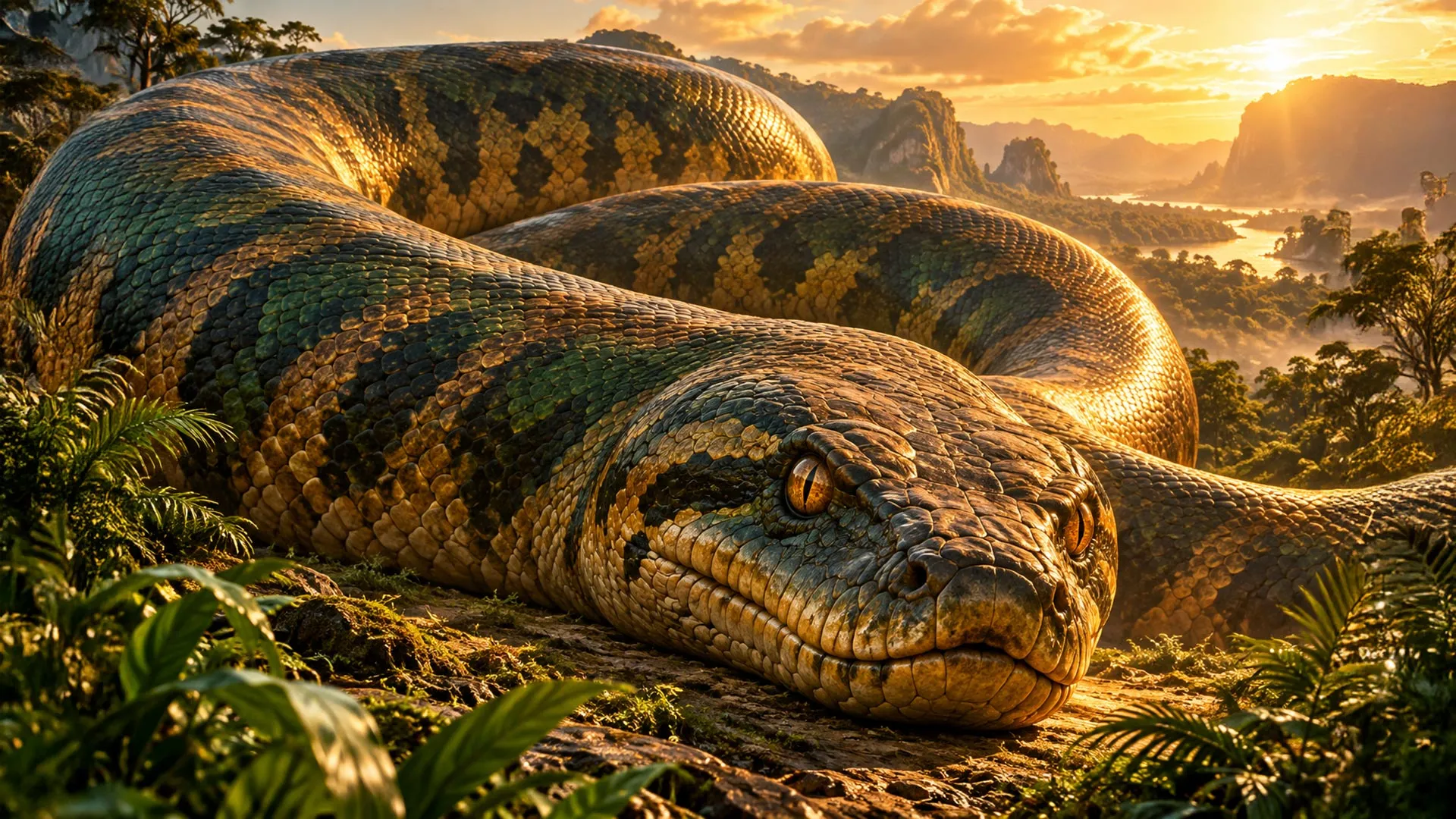
Gigantic prehistoric snake discovered in India may have been one of the largest ever
A massive prehistoric snake discovered in India may have rivaled the largest snake ever known. Called Vasuki indicus, the 47-million-year-old giant could have reached up
A massive prehistoric snake discovered in India may have rivaled the largest snake ever known. Called Vasuki indicus, the 47-million-year-old giant could have reached up
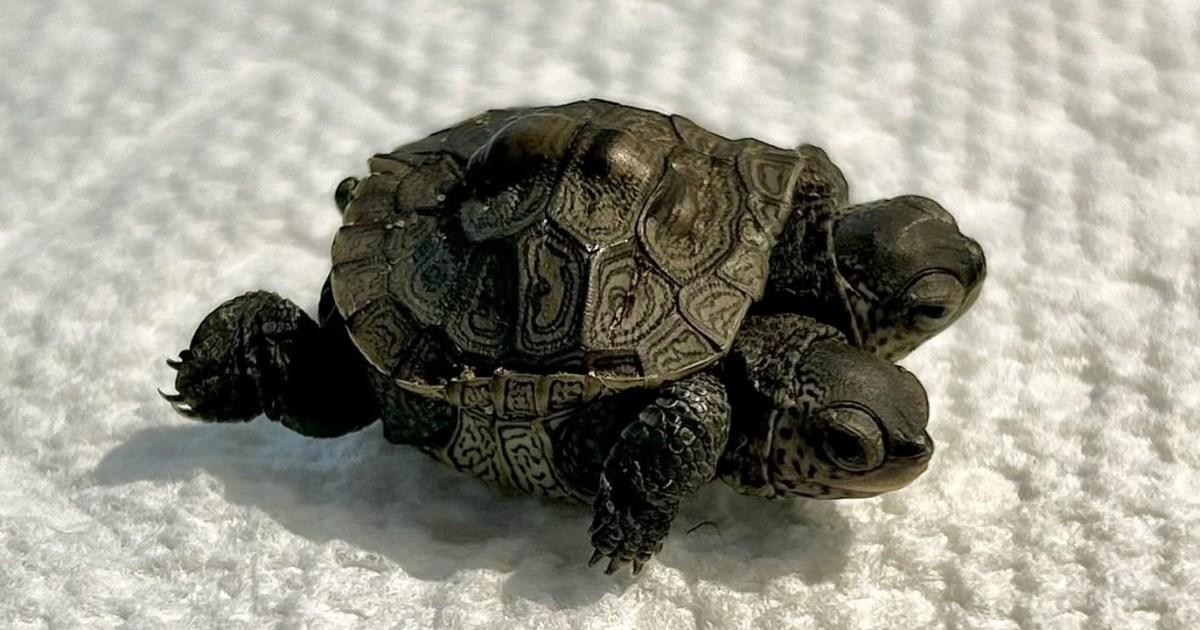
Rare two-headed baby turtle discovered with ‘two distinct personalities’
The tiny two-headed diamondback terrapin weighs just 5.2 grammes (Picture: Cape Wildlife Center/Cover Images) A rare baby turtle has been discovered with two heads –
The tiny two-headed diamondback terrapin weighs just 5.2 grammes (Picture: Cape Wildlife Center/Cover Images) A rare baby turtle has been discovered with two heads –