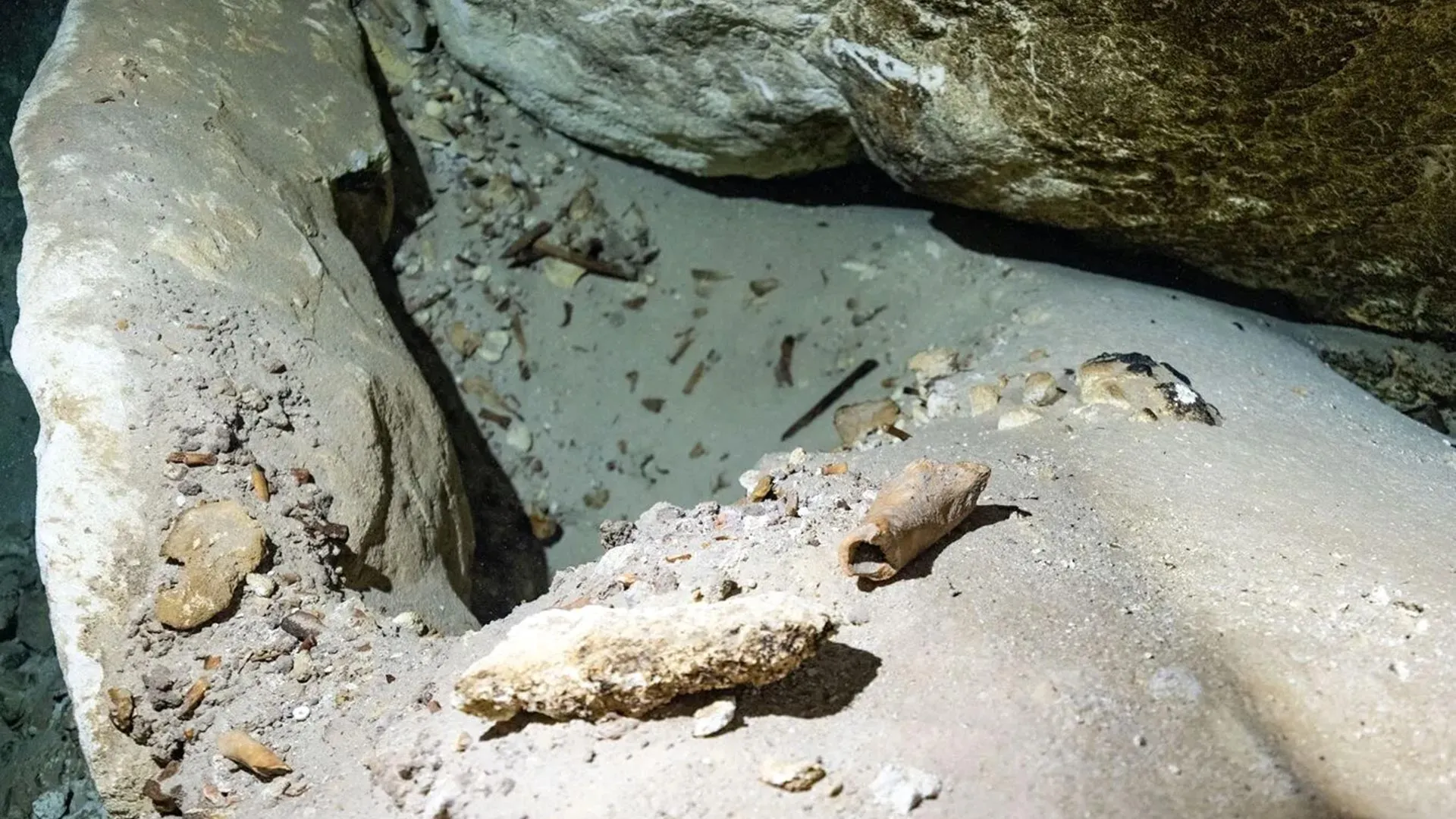
Animal bones preserved in South Australia’s underwater caves reveal distinctive clues shaped by darkness, algae, bacteria, and other environmental conditions. The findings give scientists a powerful new way to reconstruct how ancient megafauna remains entered and survived in submerged cave systems.
Related Posts

Brain activity under anesthesia challenges what we know about consciousness
The unconscious brain appears to be far more capable than scientists once believed. Researchers found that patients under general anesthesia could still process language at
The unconscious brain appears to be far more capable than scientists once believed. Researchers found that patients under general anesthesia could still process language at
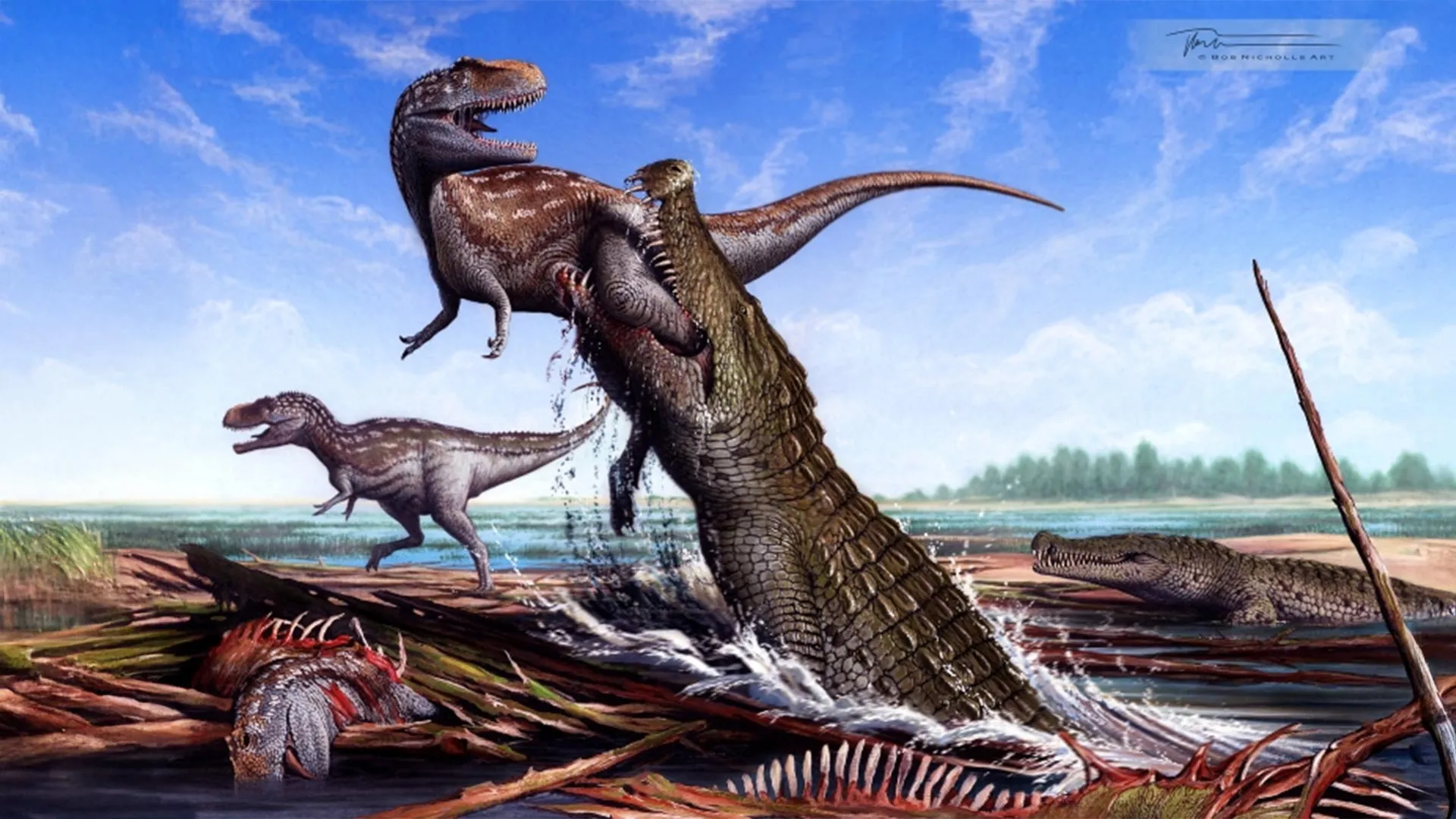
This school-bus-sized “terror croc” ate dinosaurs. Now it’s back
A massive crocodilian capable of attacking dinosaurs has been brought back to life as the first scientifically accurate mounted skeleton of Deinosuchus schwimmeri. The 31-foot
A massive crocodilian capable of attacking dinosaurs has been brought back to life as the first scientifically accurate mounted skeleton of Deinosuchus schwimmeri. The 31-foot
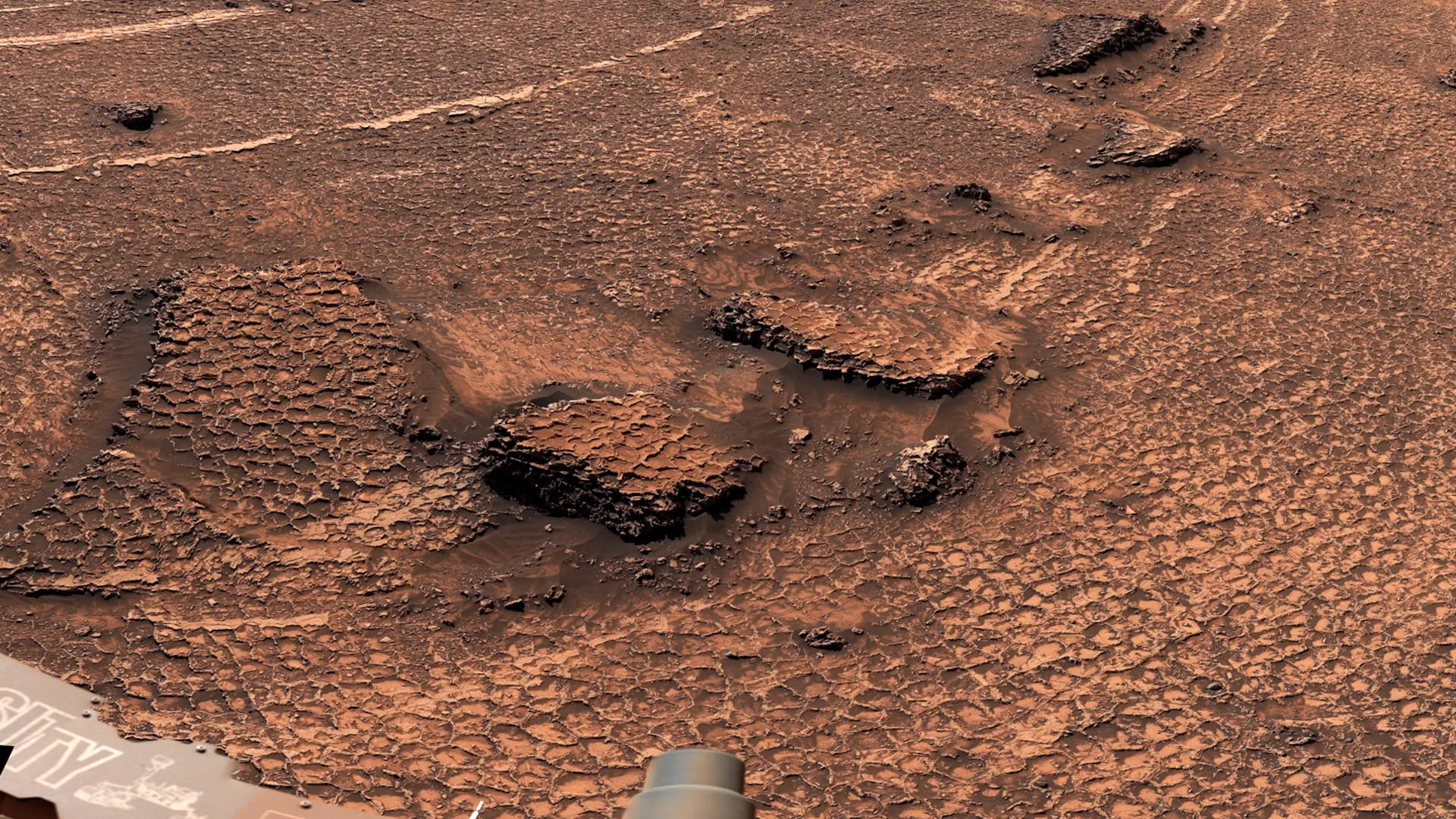
NASA’s Curiosity rover finds a mysterious honeycomb landscape on Mars
NASA’s Curiosity rover has entered a Martian valley covered by an astonishing “sea” of tiny polygon-shaped fractures. The honeycomb patterns, each only a few inches
NASA’s Curiosity rover has entered a Martian valley covered by an astonishing “sea” of tiny polygon-shaped fractures. The honeycomb patterns, each only a few inches