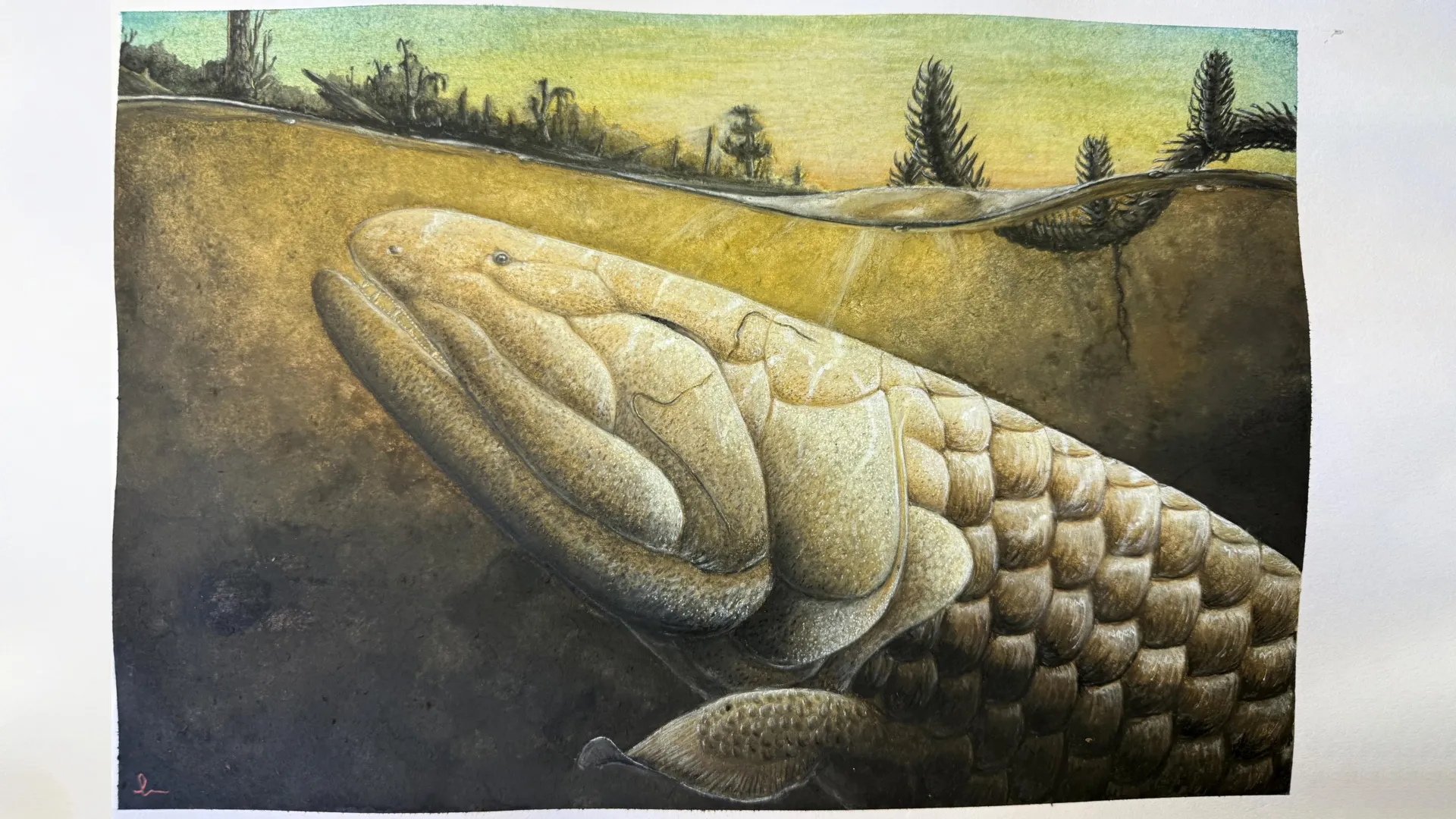
Scientists have peered inside the skull of a 380-million-year-old Antarctic fish that was closely related to the first animals to walk on land, revealing surprising clues about how life began its move out of the water. Using advanced neutron imaging, researchers discovered that Koharalepis jarviki had features suited for living near the water’s surface, including openings in its skull that may have helped it gulp air and a light-sensitive organ linked to day-night rhythms.
Related Posts

Brain activity under anesthesia challenges what we know about consciousness
The unconscious brain appears to be far more capable than scientists once believed. Researchers found that patients under general anesthesia could still process language at
The unconscious brain appears to be far more capable than scientists once believed. Researchers found that patients under general anesthesia could still process language at
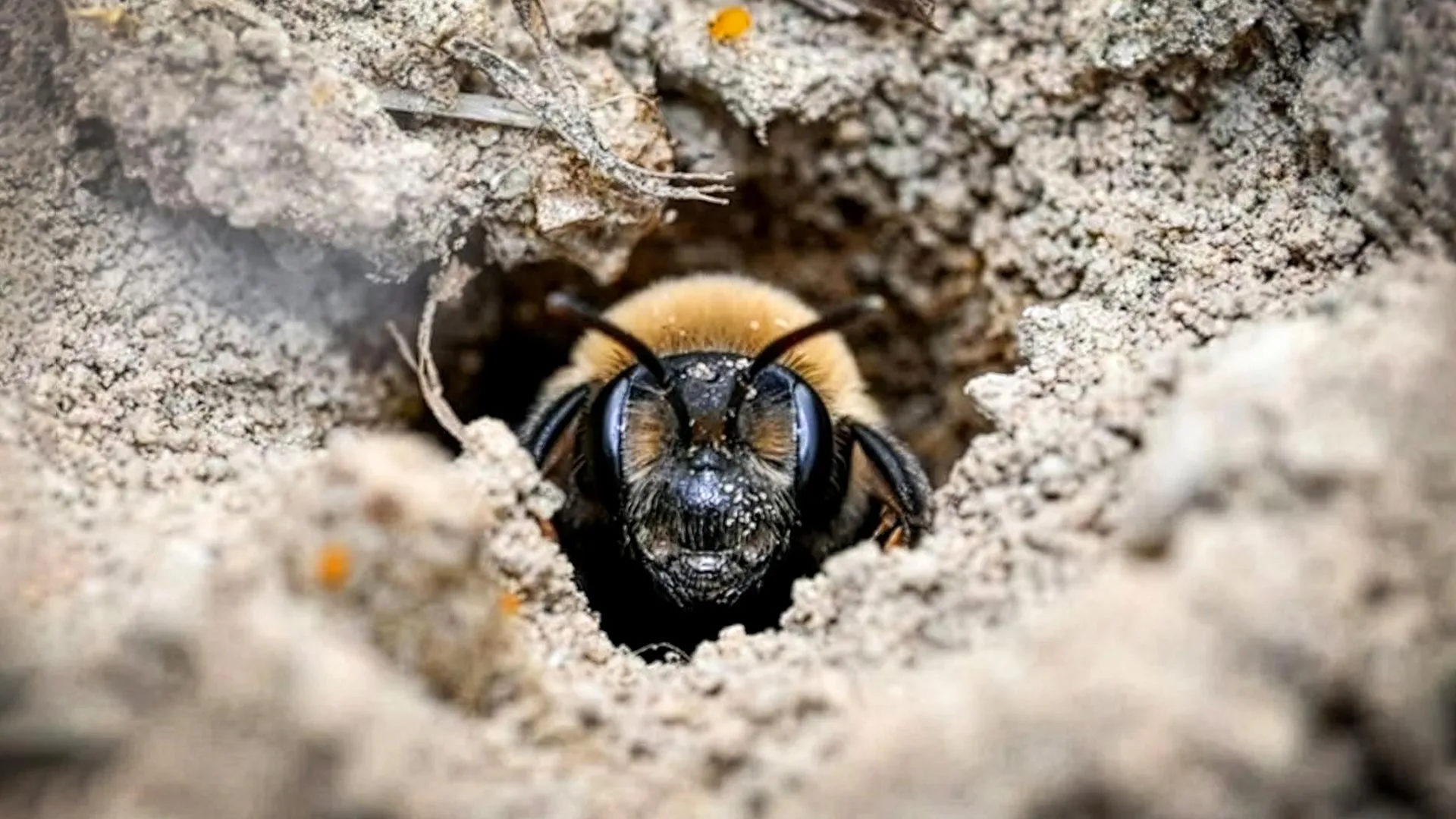
A New York cemetery was hiding 5.5 million bees underground
A casual walk through an Ithaca cemetery led to the discovery of a gigantic hidden bee population — roughly 5.5 million ground-nesting bees packed beneath
A casual walk through an Ithaca cemetery led to the discovery of a gigantic hidden bee population — roughly 5.5 million ground-nesting bees packed beneath

‘I was dead for over an hour and came back from heaven with a lesson for mankind’
Vinney Tolman lay ‘dead’ on a public bathroom floor for nearly an hour and says he experienced a journey to heaven that changed everything he
Vinney Tolman lay ‘dead’ on a public bathroom floor for nearly an hour and says he experienced a journey to heaven that changed everything he