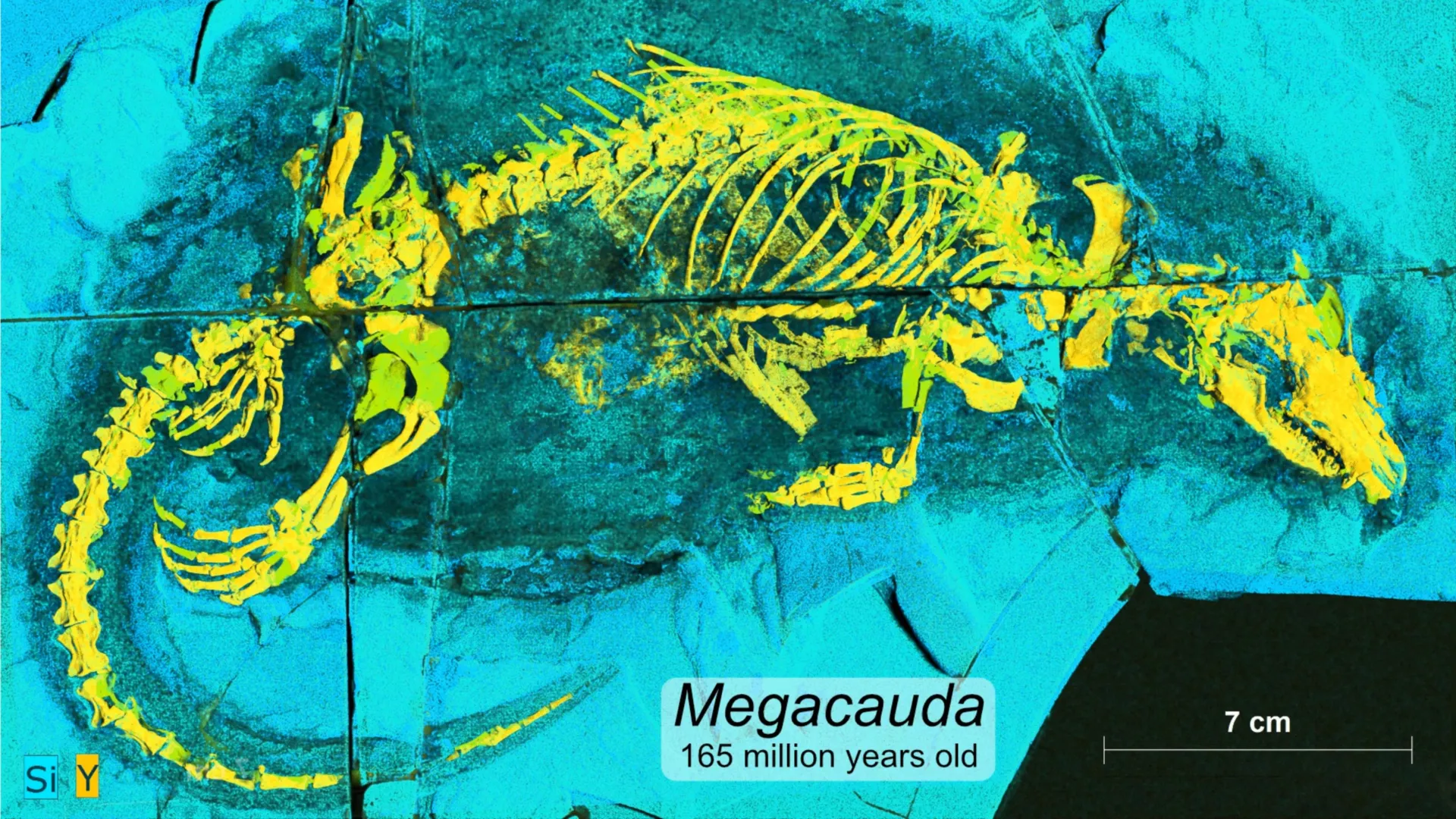
A 165-million-year-old fossil has revealed an extraordinary Jurassic predator that may help explain how mammals developed one of their most important evolutionary advantages. Although only 20 inches long, Megacauda sungei was a heavyweight among early mammal relatives, swimming through ancient waterways and hunting prey with specialized teeth. Its advanced swallowing anatomy reveals an early step toward the ability to safely nurse on milk, a key development in mammalian evolution.
Related Posts

Venus may have swallowed its own moon
Venus may have once had a moon, but new research suggests the planet’s incredibly slow rotation could have doomed it. Computer simulations showed that instead
Venus may have once had a moon, but new research suggests the planet’s incredibly slow rotation could have doomed it. Computer simulations showed that instead
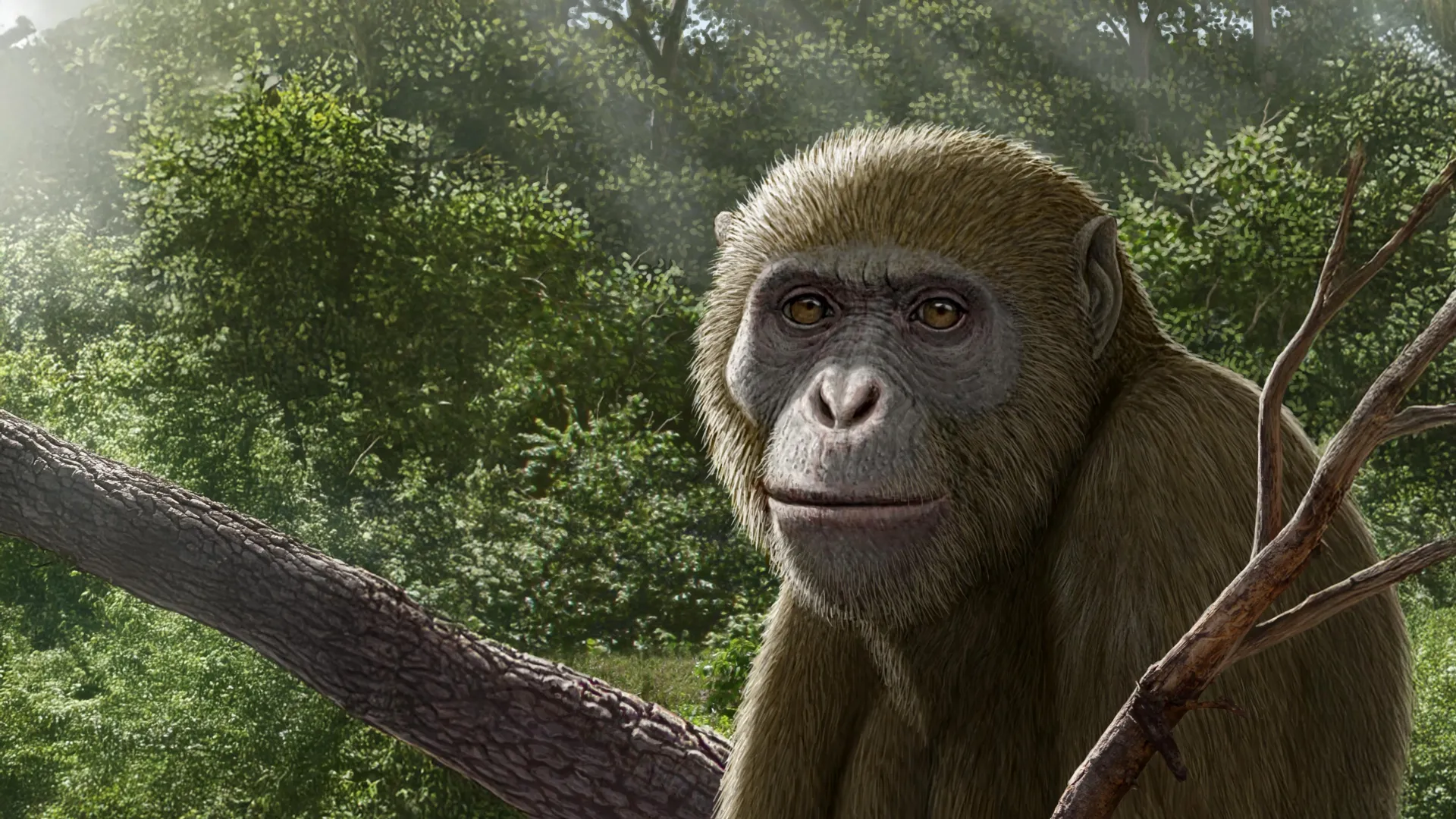
Ancient ape fossil in Egypt could rewrite the story of human origins
A 17- to 18-million-year-old ape fossil discovered in Egypt is challenging long-held beliefs about where the ancestors of humans and other modern apes first evolved.
A 17- to 18-million-year-old ape fossil discovered in Egypt is challenging long-held beliefs about where the ancestors of humans and other modern apes first evolved.

A simple daily fiber supplement reduced arthritis pain and improved strength
A new clinical trial suggests that a simple daily fiber supplement could significantly reduce knee osteoarthritis pain, improve muscle strength, and make the body less
A new clinical trial suggests that a simple daily fiber supplement could significantly reduce knee osteoarthritis pain, improve muscle strength, and make the body less