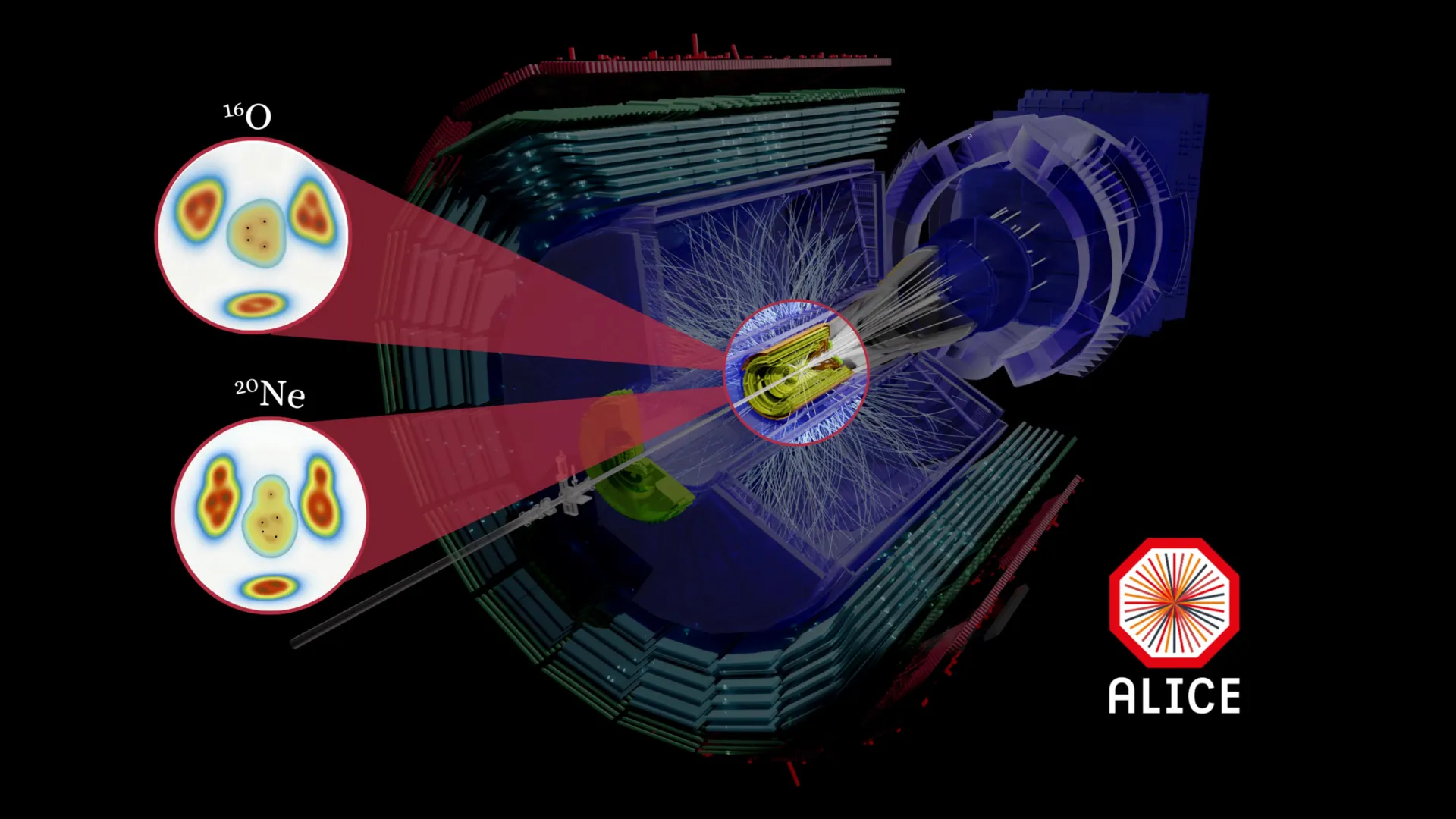
Researchers at CERN have created microscopic versions of the early Universe by colliding surprisingly small atomic nuclei at nearly the speed of light. The collisions produced quark-gluon plasma, the ultra-hot matter believed to have filled the cosmos shortly after the Big Bang. Even more intriguingly, the particles left behind reveal the shape of the nuclei that created them, offering a new way to probe both nuclear physics and the Universe’s earliest moments.
Related Posts
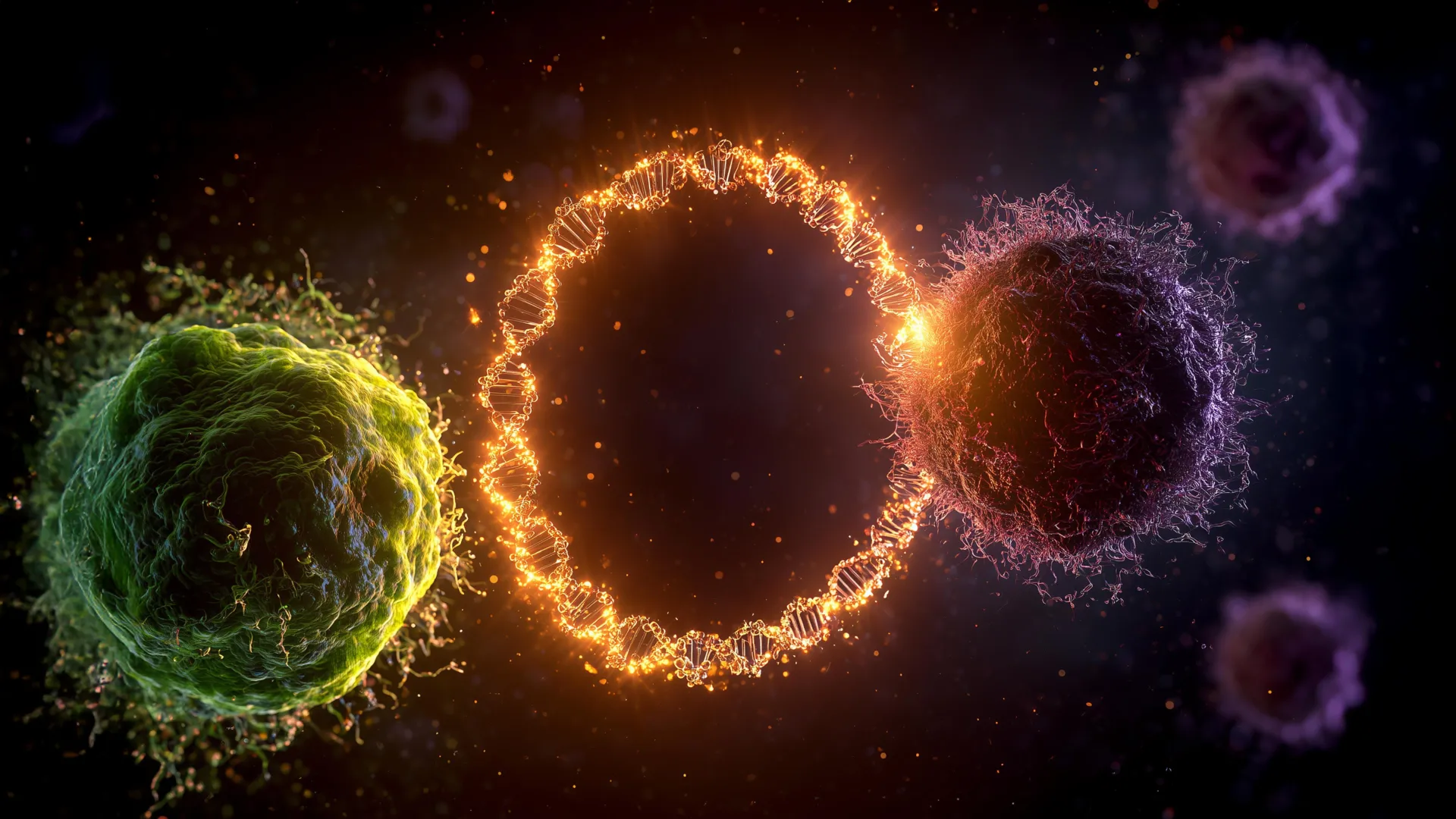
Scientists catch a “jumping gene” mid-leap between species
Scientists have uncovered a surprising way that “jumping genes” may move between species and speed up evolution. While these mobile genetic elements were thought to
Scientists have uncovered a surprising way that “jumping genes” may move between species and speed up evolution. While these mobile genetic elements were thought to
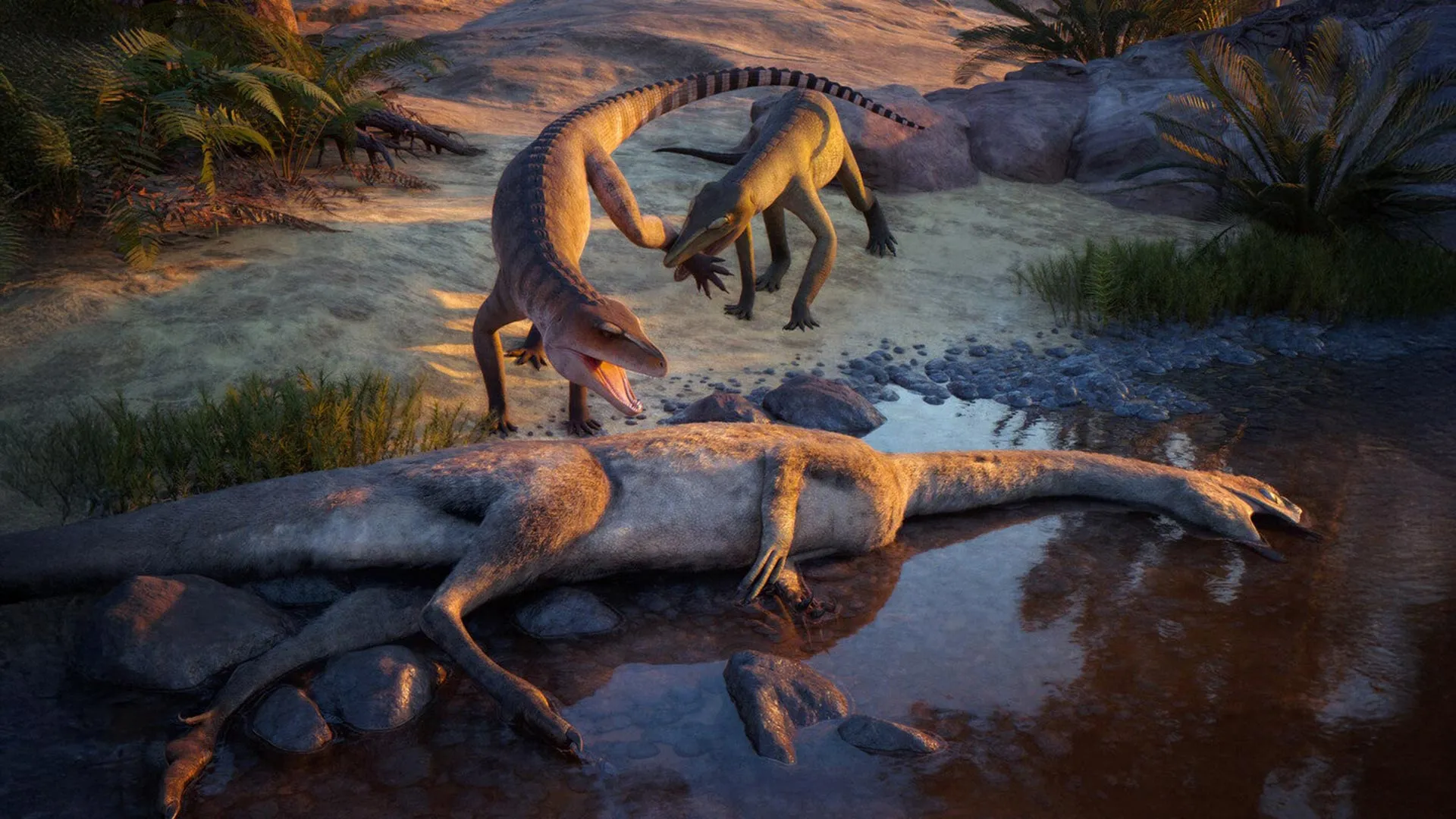
A forgotten fossil just revealed a new Triassic predator from 210 million years ago
A fossil overlooked for nearly 80 years has revealed a previously unknown crocodile relative that lived 210 million years ago in what is now New
A fossil overlooked for nearly 80 years has revealed a previously unknown crocodile relative that lived 210 million years ago in what is now New

Colorado’s ‘shape-shifting’ UFO disturbs locals as eerie footage emerges
A mysterious glowing orb hovered motionless in the Colorado sky for hours, sparking debate about its origins, with no official explanation provided.
A mysterious glowing orb hovered motionless in the Colorado sky for hours, sparking debate about its origins, with no official explanation provided.