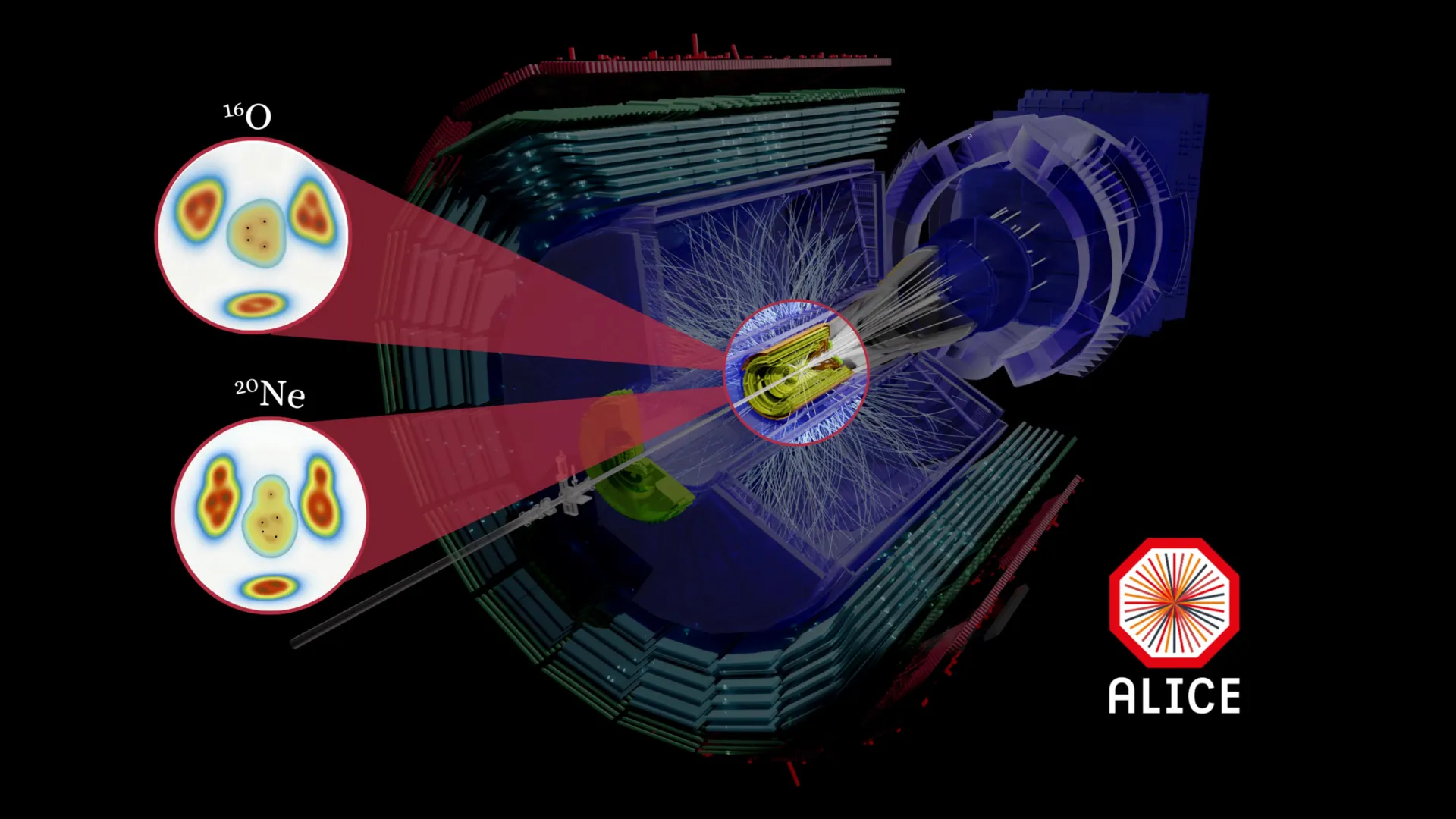
Researchers at CERN have created microscopic versions of the early Universe by colliding surprisingly small atomic nuclei at nearly the speed of light. The collisions produced quark-gluon plasma, the ultra-hot matter believed to have filled the cosmos shortly after the Big Bang. Even more intriguingly, the particles left behind reveal the shape of the nuclei that created them, offering a new way to probe both nuclear physics and the Universe’s earliest moments.
Related Posts
So How Exactly CAN AI Kill Us All? Experts Explain What That Viral Anthropic Tweet Is Referring To
“The AIs have everything they need except the intelligence, and the AI companies are racing to make them more intelligent.”
“The AIs have everything they need except the intelligence, and the AI companies are racing to make them more intelligent.”
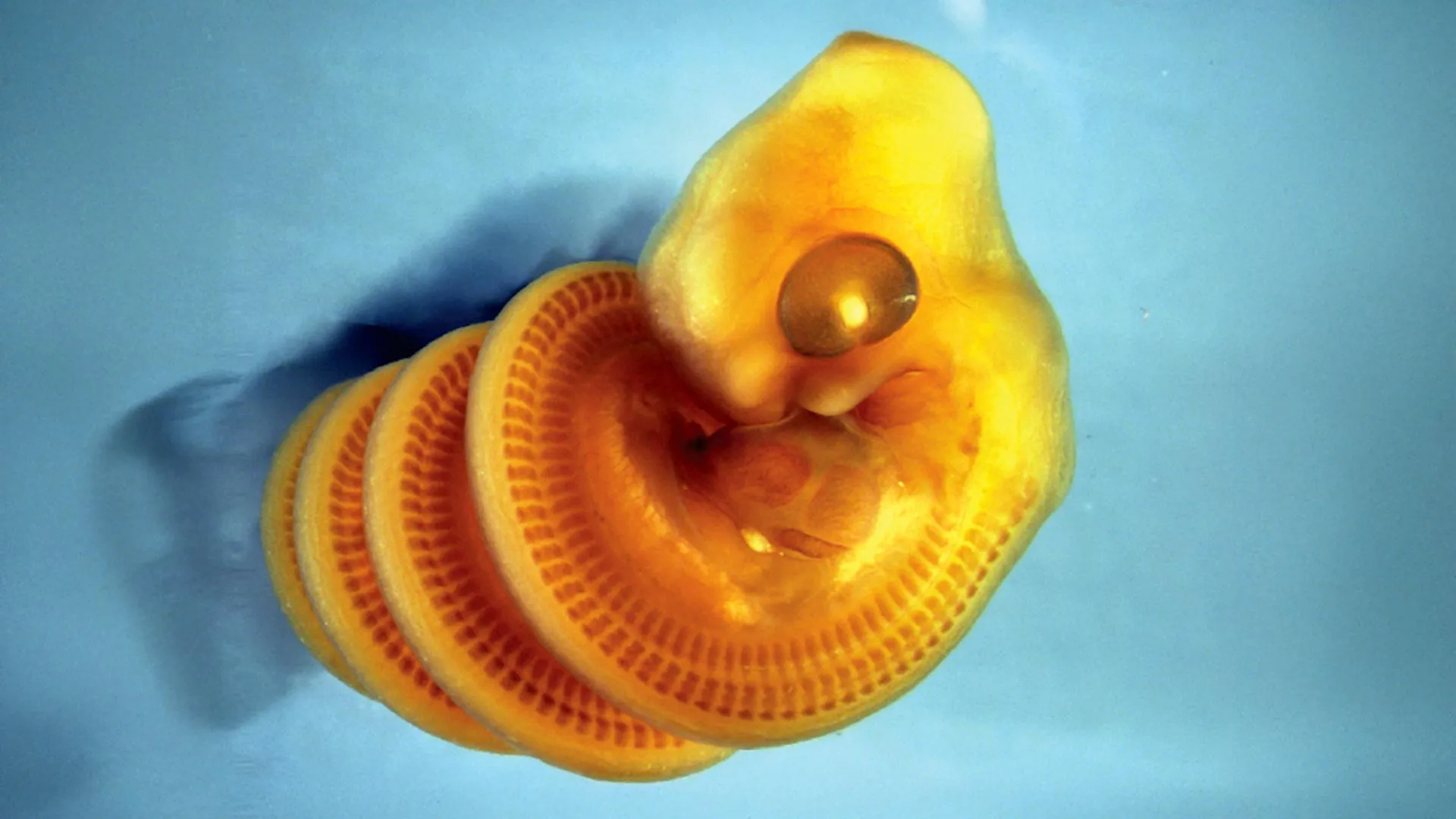
Scientists discover why snake embryos twist into spirals
Snake embryos begin life curled into a distinctive right-handed spiral, and scientists may finally know why. Their bodies grow faster than their guts, creating a
Snake embryos begin life curled into a distinctive right-handed spiral, and scientists may finally know why. Their bodies grow faster than their guts, creating a

Physicists just found a tiny glitch in time itself
Unconventional quantum theories may imply that time itself has a tiny fundamental uncertainty, placing an ultimate limit on how precisely any clock could measure it.
Unconventional quantum theories may imply that time itself has a tiny fundamental uncertainty, placing an ultimate limit on how precisely any clock could measure it.