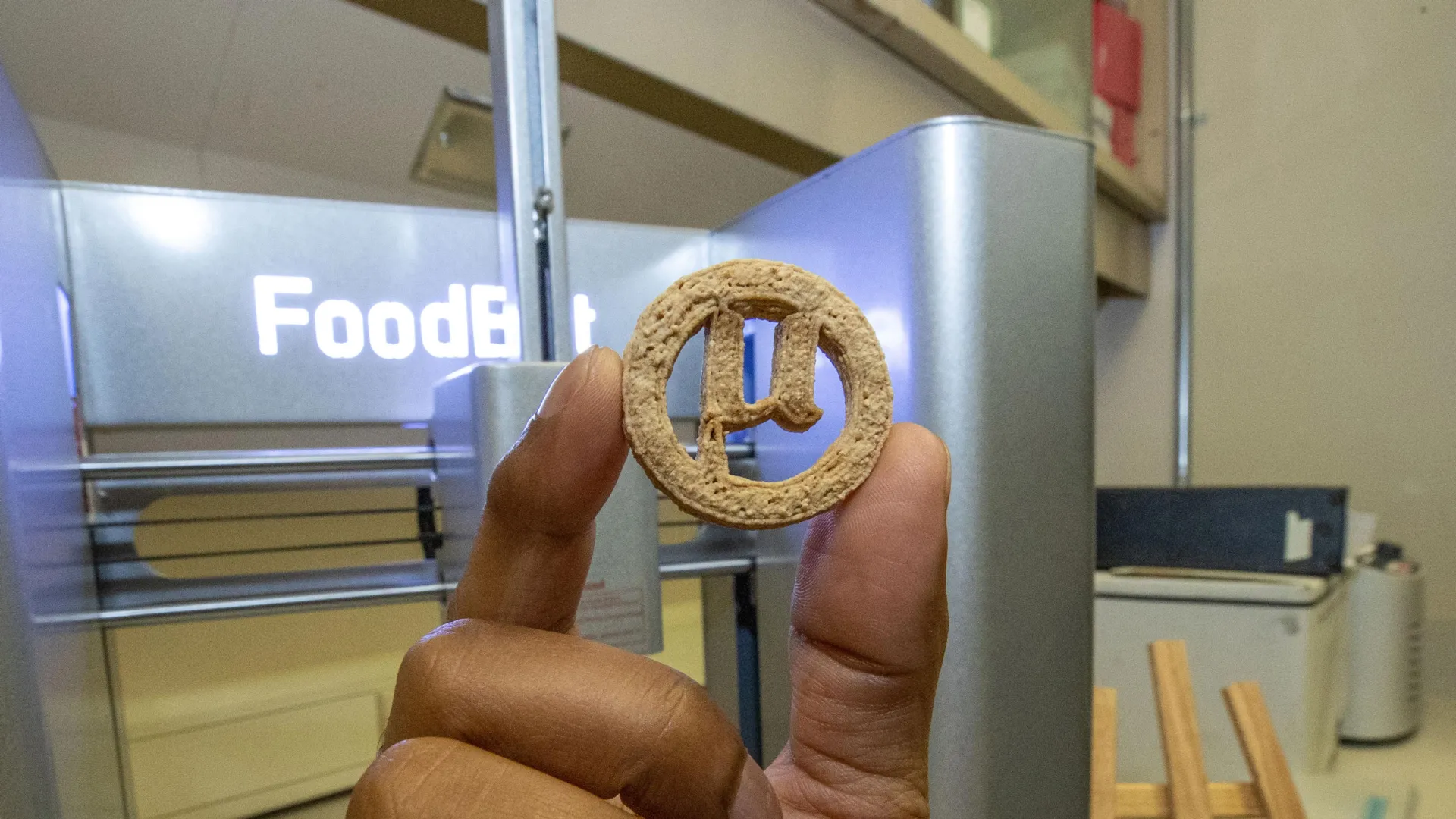
Scientists have engineered yeast to turn PET plastic and agricultural waste into ingredients for protein-rich, 3D-printed cookies called µBites. Developed partly for NASA’s Deep Space Food Challenge, the system can produce proteins, fats, vitamins, and even vanilla flavoring from waste materials. Researchers hope the unusual technology could eventually help address both plastic pollution and food insecurity, while also supplying food in extreme environments such as deep-space missions.
Related Posts
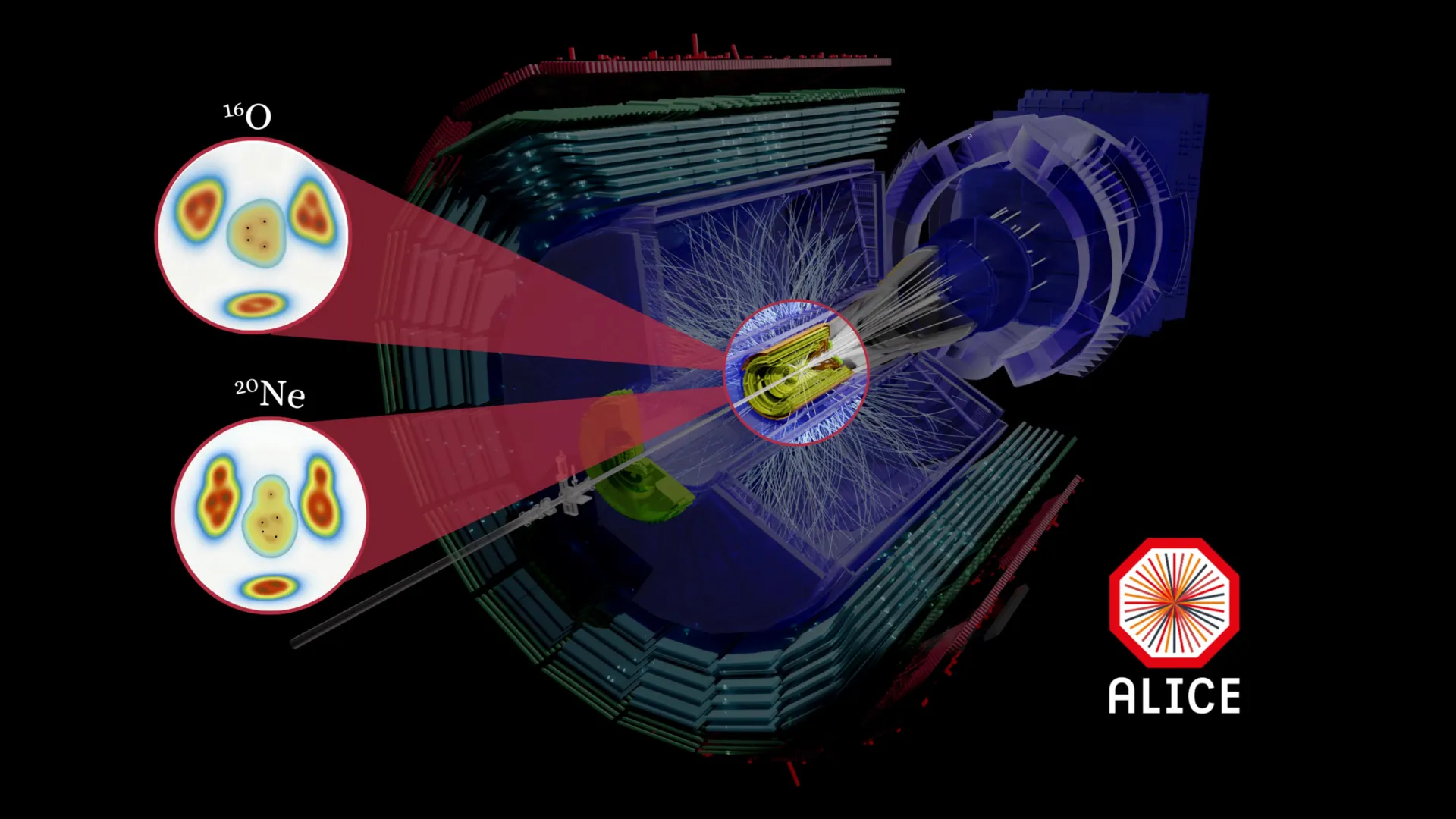
Physicists create a tiny “Big Bang” with surprisingly small atomic nuclei
Researchers at CERN have created microscopic versions of the early Universe by colliding surprisingly small atomic nuclei at nearly the speed of light. The collisions
Researchers at CERN have created microscopic versions of the early Universe by colliding surprisingly small atomic nuclei at nearly the speed of light. The collisions

Blind mystic Baba Vanga’s 2026 predictions resurface as ‘two come true’
Buckle up for a chaotic remainder of the year (Picture: Wikipedia) Legendary psychic Baba Vanga — known for supposedly predicting 9/11, the death of Princess
Buckle up for a chaotic remainder of the year (Picture: Wikipedia) Legendary psychic Baba Vanga — known for supposedly predicting 9/11, the death of Princess
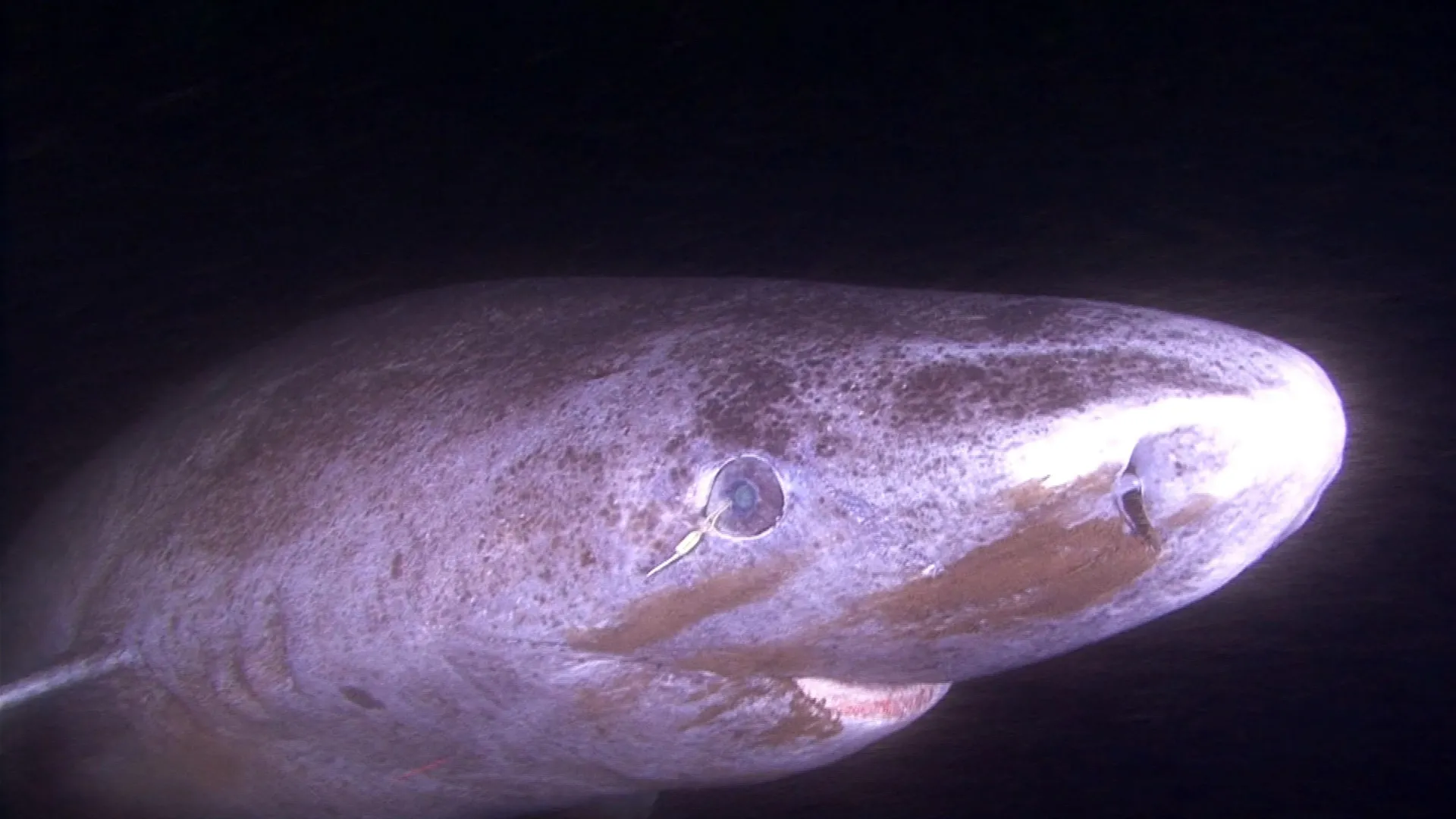
This shark can live 400 years. Its eyes barely seem to age
Greenland sharks may live for 400 years without suffering the kind of retinal decline normally associated with aging. Researchers found healthy eye tissue and active
Greenland sharks may live for 400 years without suffering the kind of retinal decline normally associated with aging. Researchers found healthy eye tissue and active