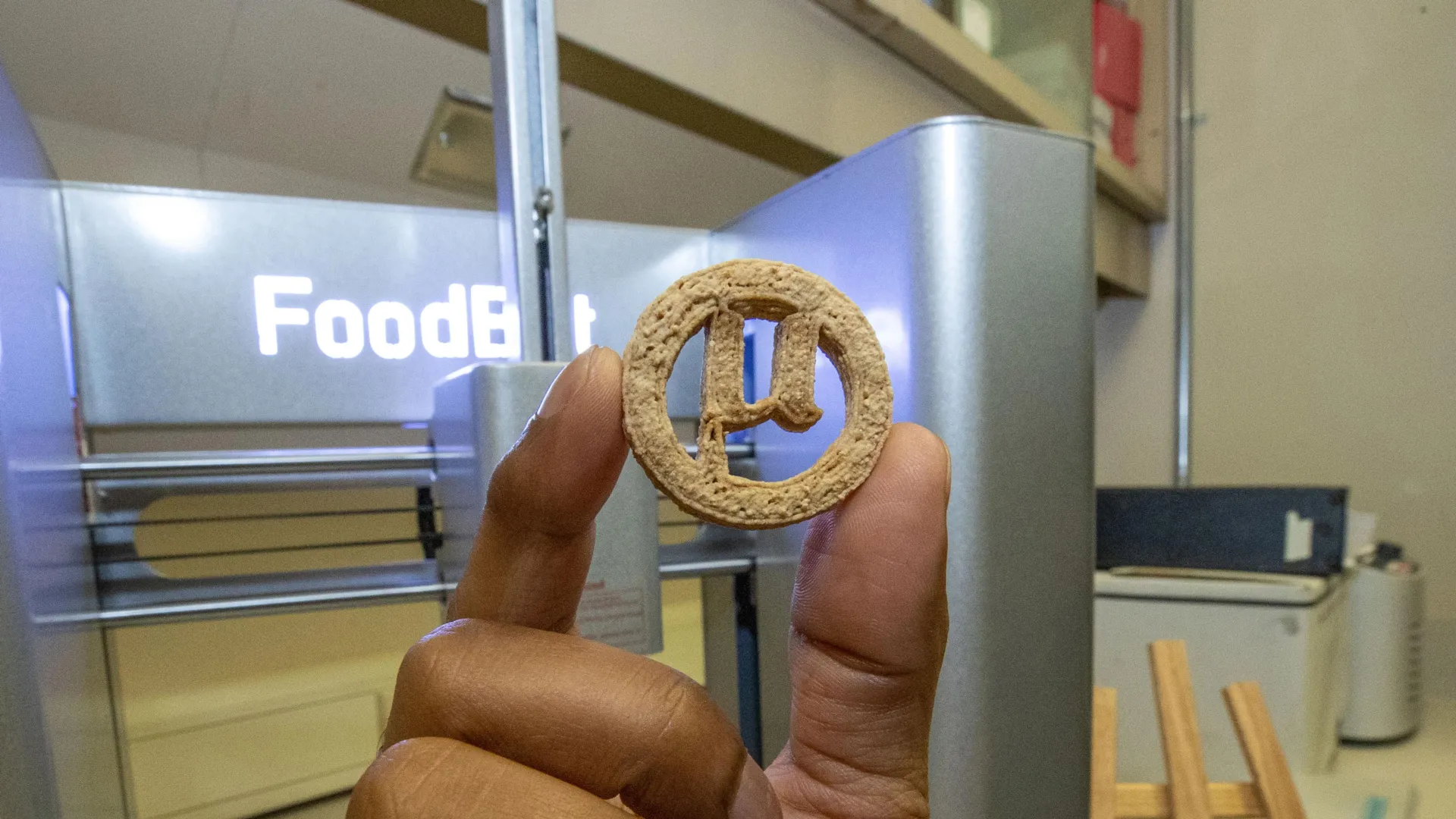
Scientists have engineered yeast to turn PET plastic and agricultural waste into ingredients for protein-rich, 3D-printed cookies called µBites. Developed partly for NASA’s Deep Space Food Challenge, the system can produce proteins, fats, vitamins, and even vanilla flavoring from waste materials. Researchers hope the unusual technology could eventually help address both plastic pollution and food insecurity, while also supplying food in extreme environments such as deep-space missions.
Related Posts
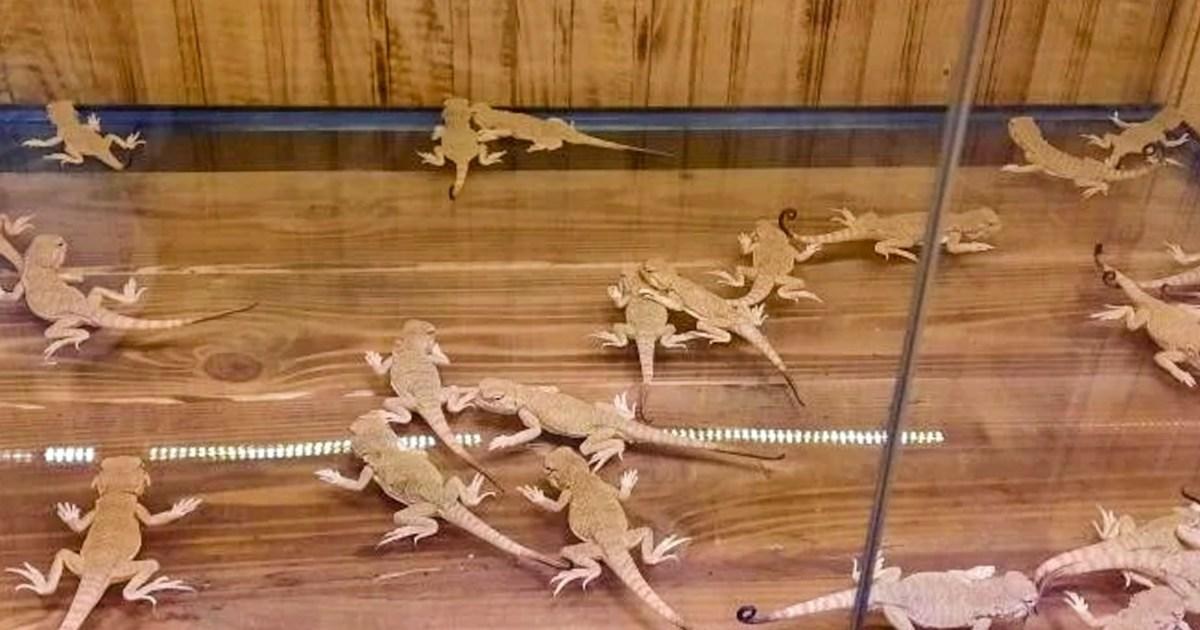
Woman caught trying to cross border with 116 reptiles stashed in her jacket
One of the lizards recovered from the woman’s clothing (Picture: Russian Federal Customs Service/Cover Images) Customs officers were in for a shock when they searched
One of the lizards recovered from the woman’s clothing (Picture: Russian Federal Customs Service/Cover Images) Customs officers were in for a shock when they searched
One tiny chemical difference between RNA and DNA may help explain how life began
Scientists may have found a clue to one of the biggest mysteries surrounding the origin of life: how fragile RNA molecules could gather and survive
Scientists may have found a clue to one of the biggest mysteries surrounding the origin of life: how fragile RNA molecules could gather and survive
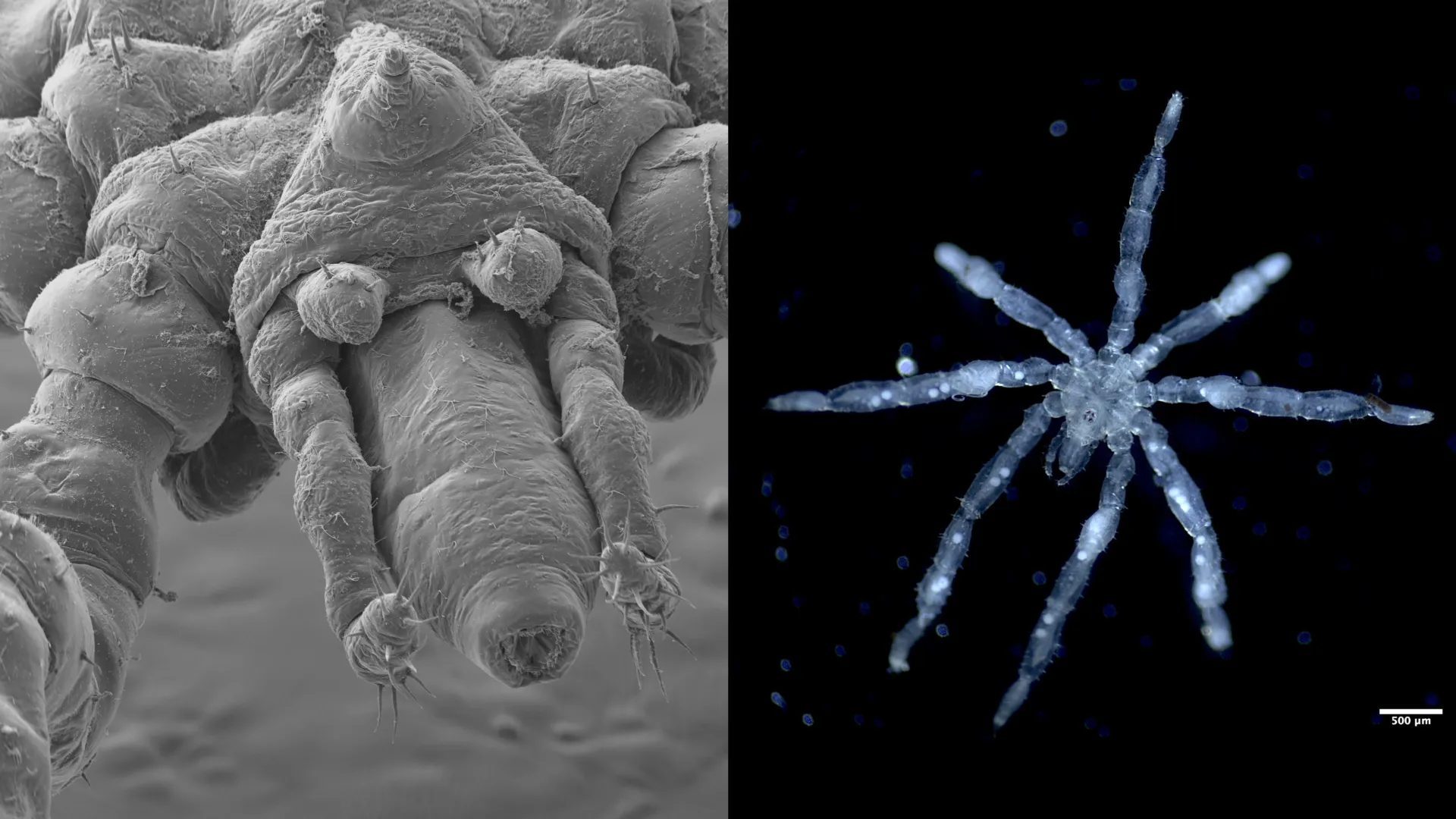
Scientists discovered two bizarre new sea spiders that are “nightmare fuel”
Scientists discovered two strange new sea spider species in the Salish Sea, including a hairy-legged, red-eyed species that can groom itself with comb-like appendages. Another
Scientists discovered two strange new sea spider species in the Salish Sea, including a hairy-legged, red-eyed species that can groom itself with comb-like appendages. Another