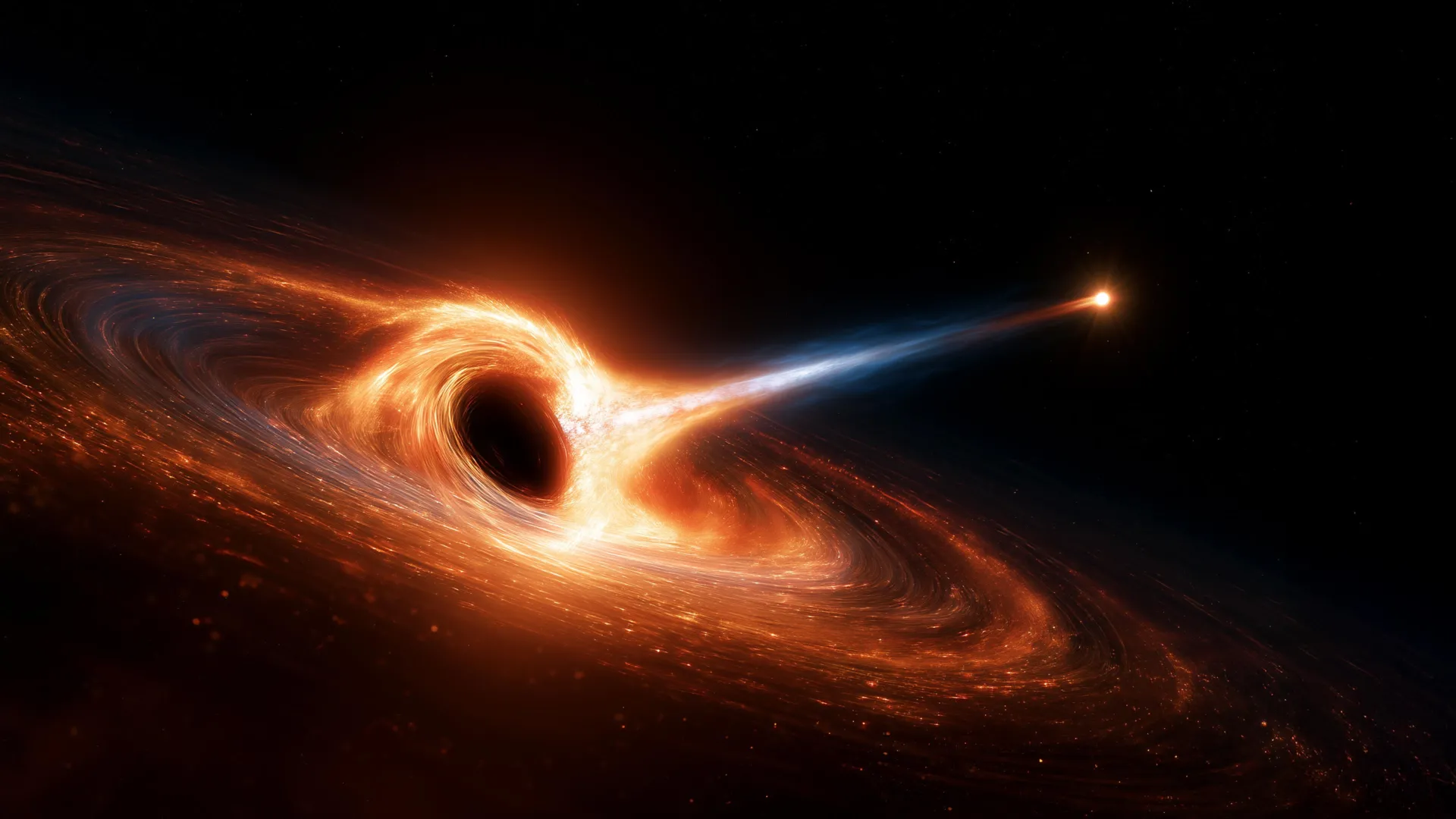
Astronomers have witnessed a black hole violently shredding a massive star, creating one of the most energetic stellar explosions ever observed. The event, nicknamed “the Whippet,” briefly released about 400 billion times the Sun’s energy and sent a shock wave racing outward at one-fifth the speed of light. Months later, scientists spotted unexpectedly fast-moving helium, suggesting that some structure may have survived the destruction.
Related Posts
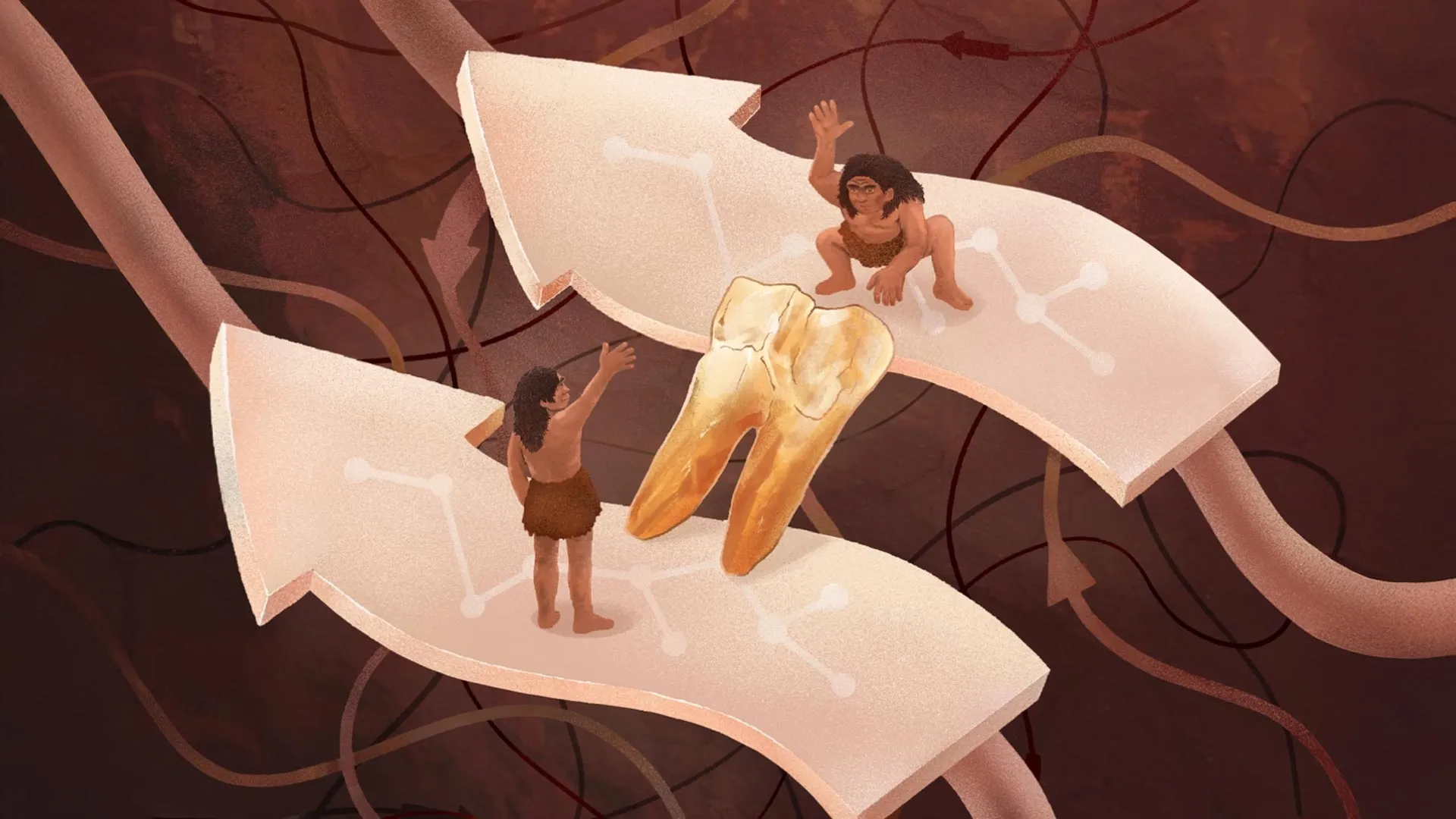
400,000-year-old teeth reveal a hidden link in human evolution
More than 400,000-year-old Homo erectus teeth from China may reveal a surprising link between this ancient human species, Denisovans, and some modern people. Scientists found
More than 400,000-year-old Homo erectus teeth from China may reveal a surprising link between this ancient human species, Denisovans, and some modern people. Scientists found
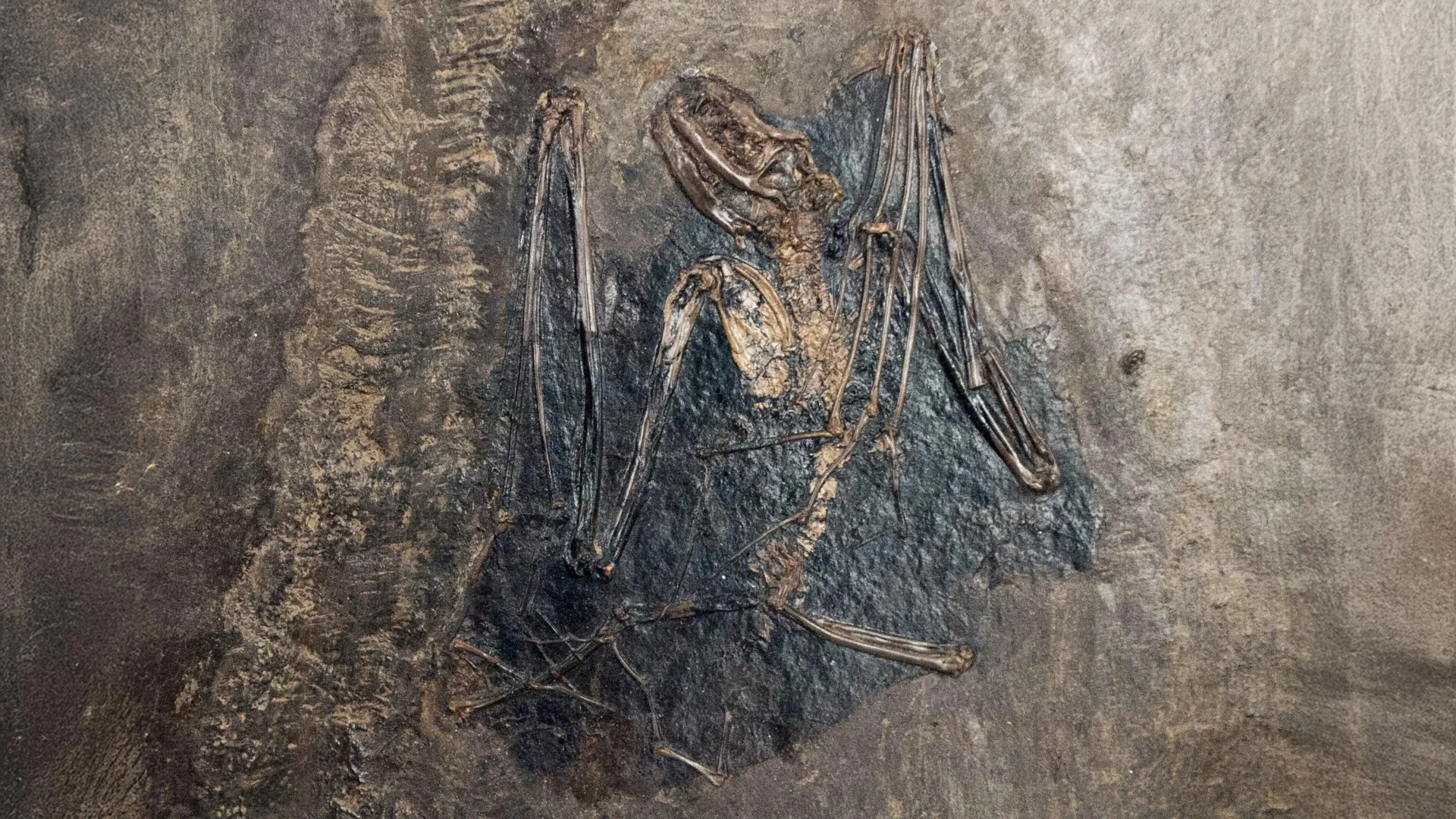
Bats may have first evolved in Europe 65 million years ago
A huge genomic and fossil study suggests bats first evolved in Europe around 65 to 60 million years ago before spreading across the globe. The
A huge genomic and fossil study suggests bats first evolved in Europe around 65 to 60 million years ago before spreading across the globe. The

Experimental therapy gantenerumab fails to slow or improve Alzheimer’s memory loss in clinical trials
An experimental treatment, gantenerumab, failed to help people at high risk of memory loss from Alzheimer’s or those who were in the early phases of
An experimental treatment, gantenerumab, failed to help people at high risk of memory loss from Alzheimer’s or those who were in the early phases of