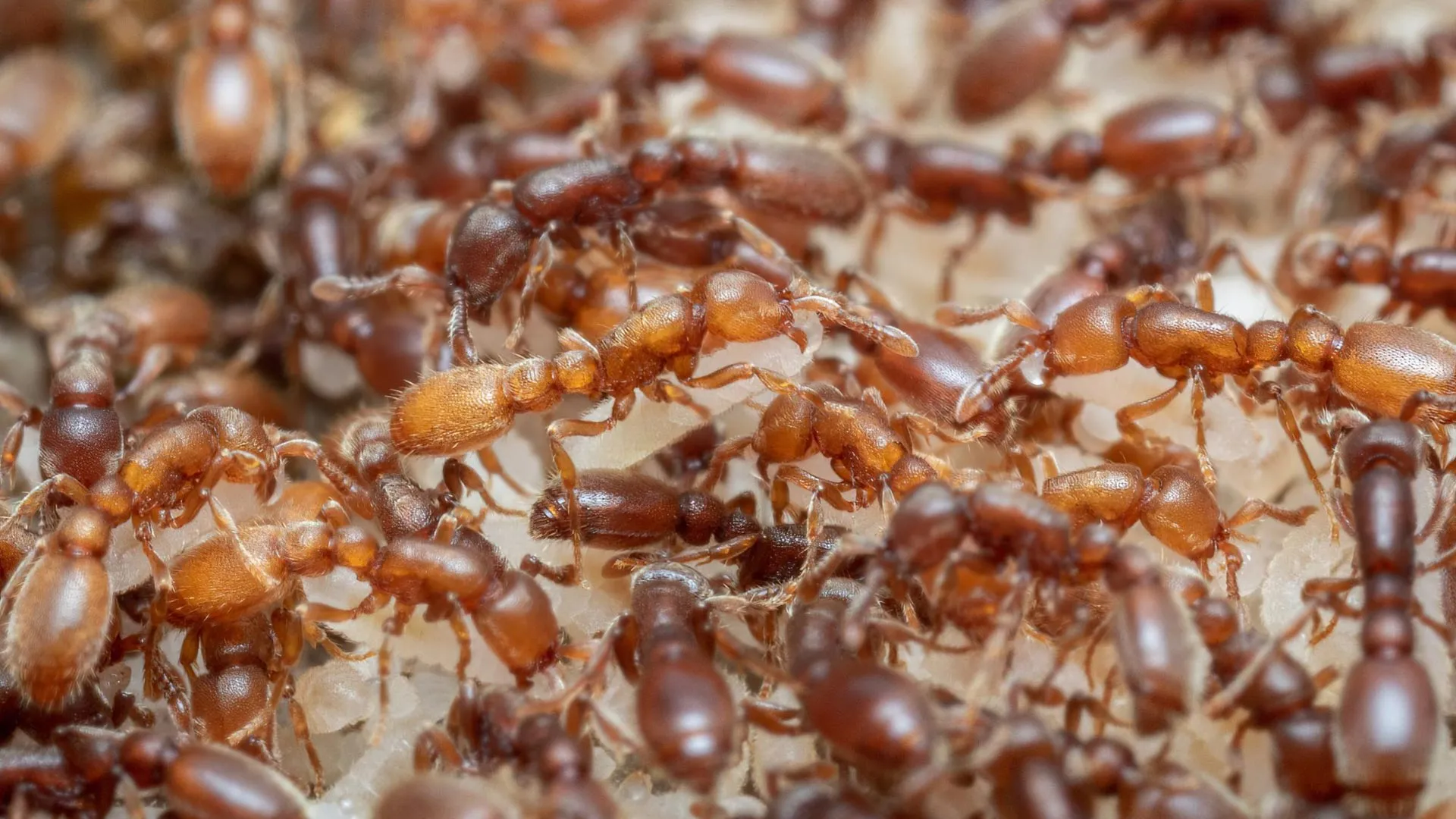
Ant parenting may have evolved from the same brain systems that once controlled hunger. Researchers found that two chemical signals push clonal raider ants toward either caring for larvae or leaving to forage, with the balance changing as the ants grow older. Similar signals are involved in mammalian caregiving, suggesting that evolution may have followed the same basic blueprint across very different animals.
Related Posts
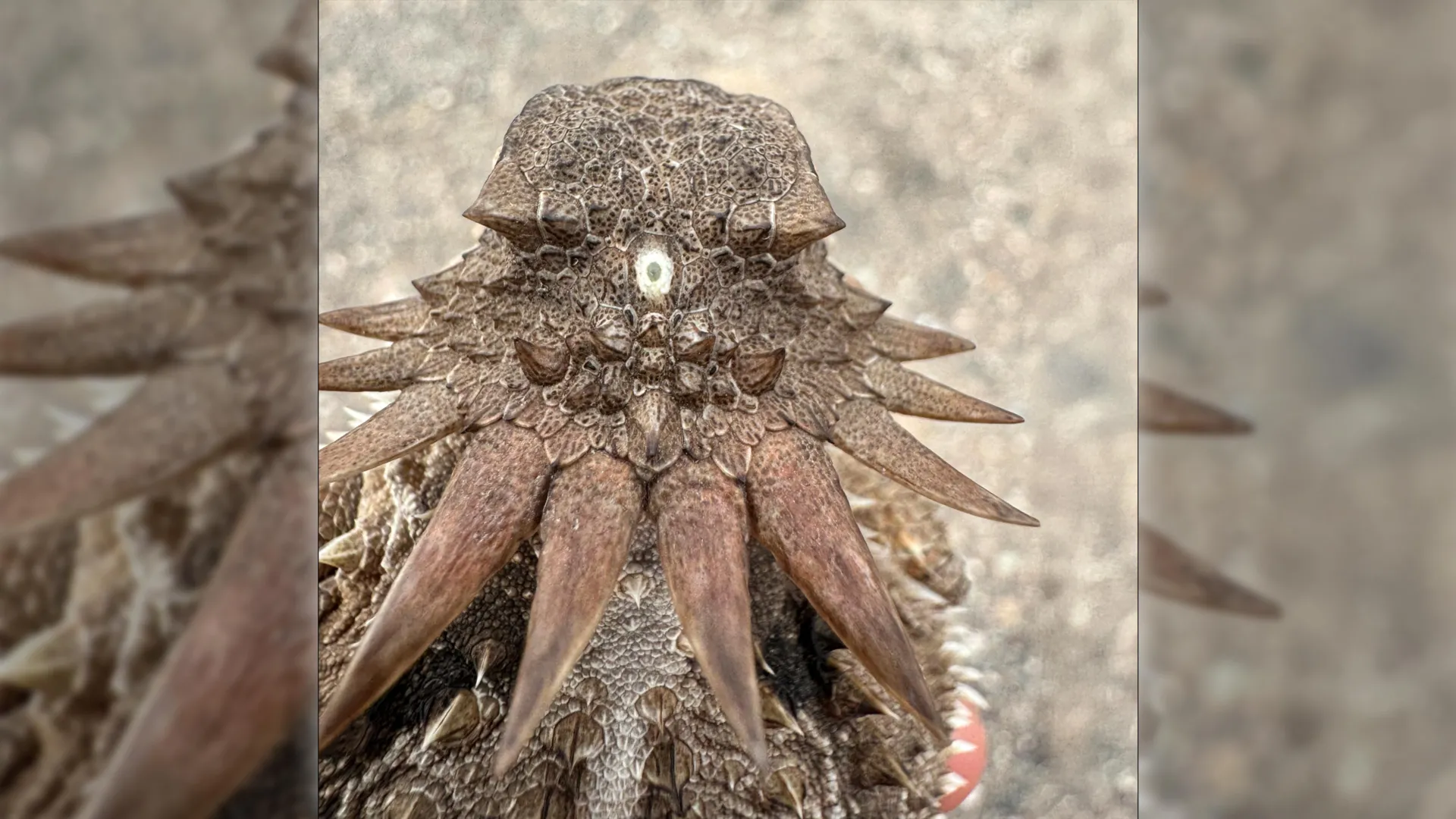
Scientists trace the shocking origin of human eyes to an ancient “cyclops”
Researchers say a tiny one-eyed ancestor that lived nearly 600 million years ago may have shaped the evolution of every vertebrate eye, including our own.
Researchers say a tiny one-eyed ancestor that lived nearly 600 million years ago may have shaped the evolution of every vertebrate eye, including our own.

Physicists say quantum mechanics may not need imaginary numbers after all
Physicists from Heinrich Heine University Düsseldorf (HHU) have examined a fundamental property of quantum mechanics in collaboration with the German Aerospace Center (DLR). In the
Physicists from Heinrich Heine University Düsseldorf (HHU) have examined a fundamental property of quantum mechanics in collaboration with the German Aerospace Center (DLR). In the
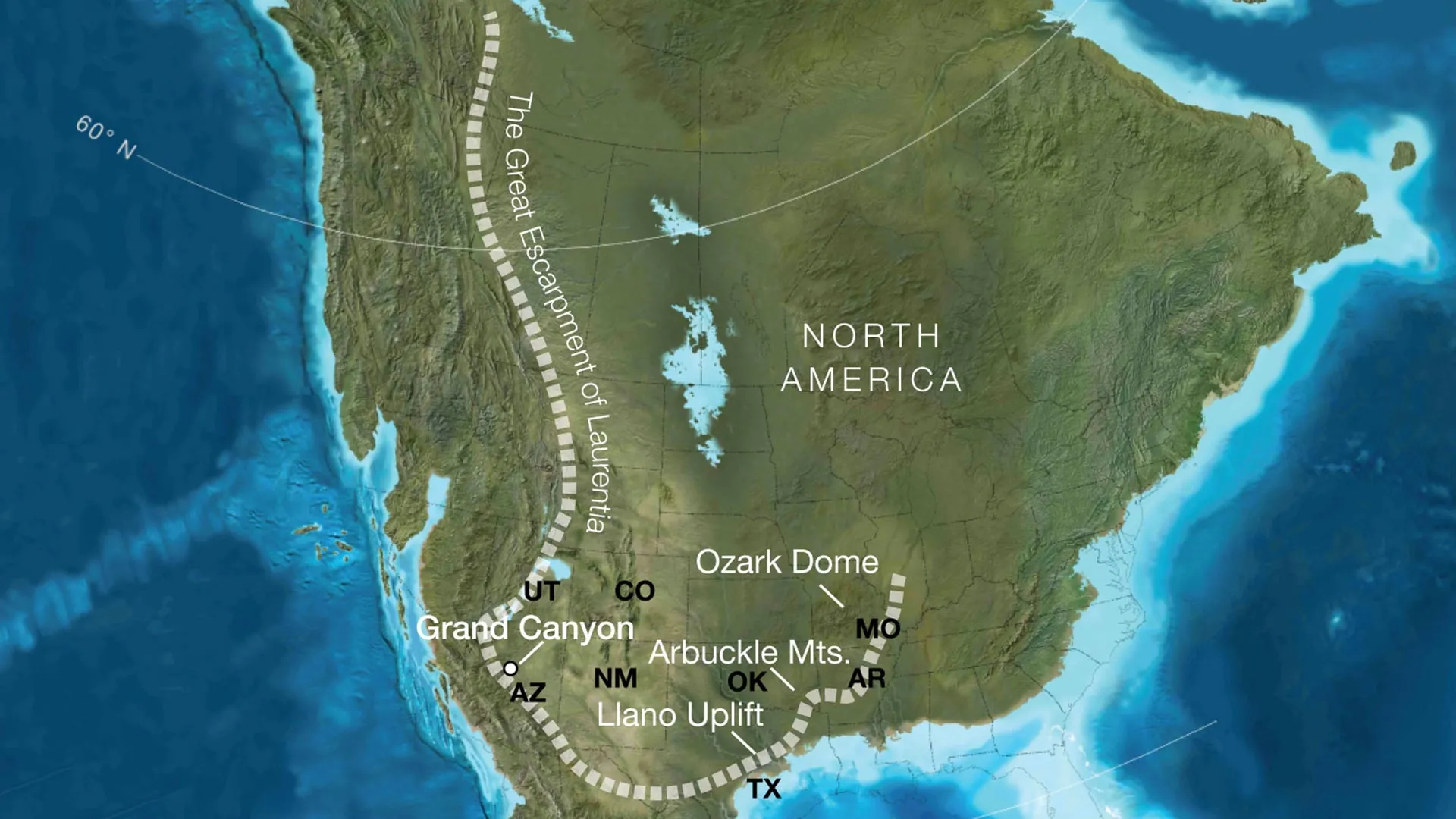
A lost mega-cliff may explain the Grand Canyon’s missing billion years
A colossal cliff system created as the supercontinent Rodinia broke apart may have exposed the heart of the Grand Canyon nearly a billion years before
A colossal cliff system created as the supercontinent Rodinia broke apart may have exposed the heart of the Grand Canyon nearly a billion years before