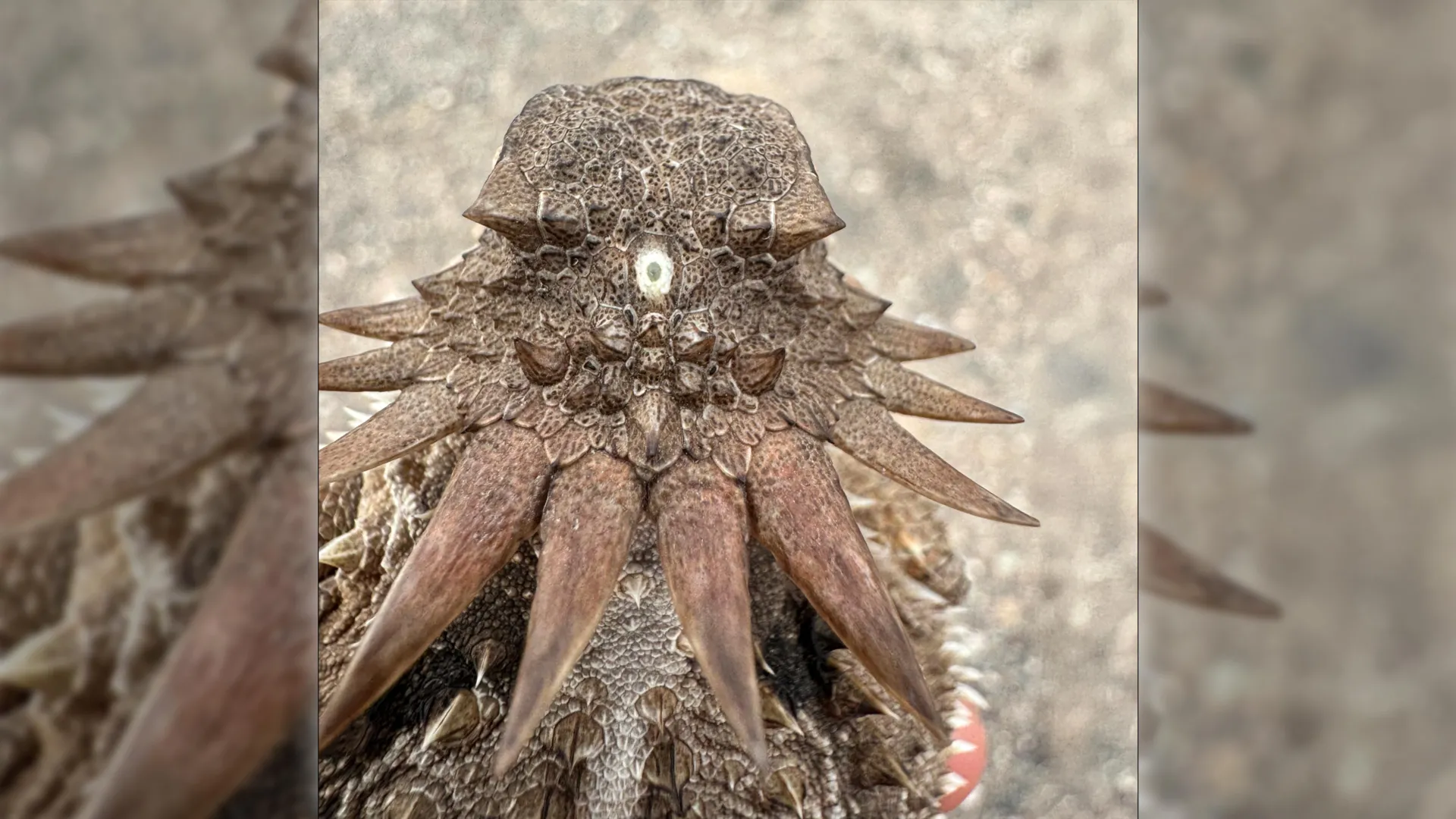
Researchers say a tiny one-eyed ancestor that lived nearly 600 million years ago may have shaped the evolution of every vertebrate eye, including our own. They also found that its ancient median eye lives on today as the pineal gland, which helps synchronize our sleep with daylight.
Related Posts
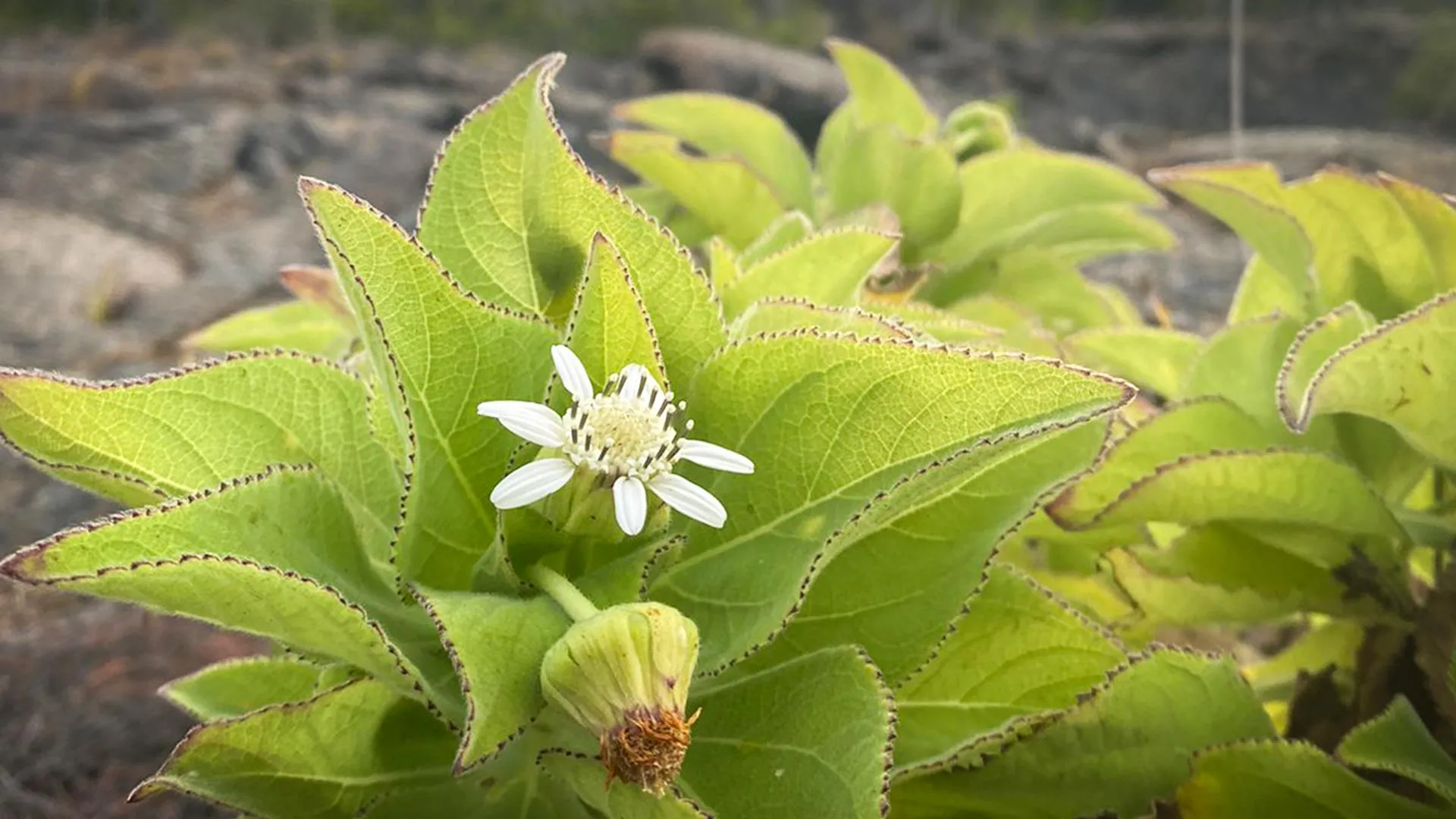
Scientists found evolution repeating itself in the Galápagos Islands
More than 150 years after Darwin’s finches helped reshape biology, Galápagos plants are exposing another evolutionary surprise. Giant daisies repeatedly developed similar heat-tolerant leaf shapes
More than 150 years after Darwin’s finches helped reshape biology, Galápagos plants are exposing another evolutionary surprise. Giant daisies repeatedly developed similar heat-tolerant leaf shapes

Brain activity under anesthesia challenges what we know about consciousness
The unconscious brain appears to be far more capable than scientists once believed. Researchers found that patients under general anesthesia could still process language at
The unconscious brain appears to be far more capable than scientists once believed. Researchers found that patients under general anesthesia could still process language at
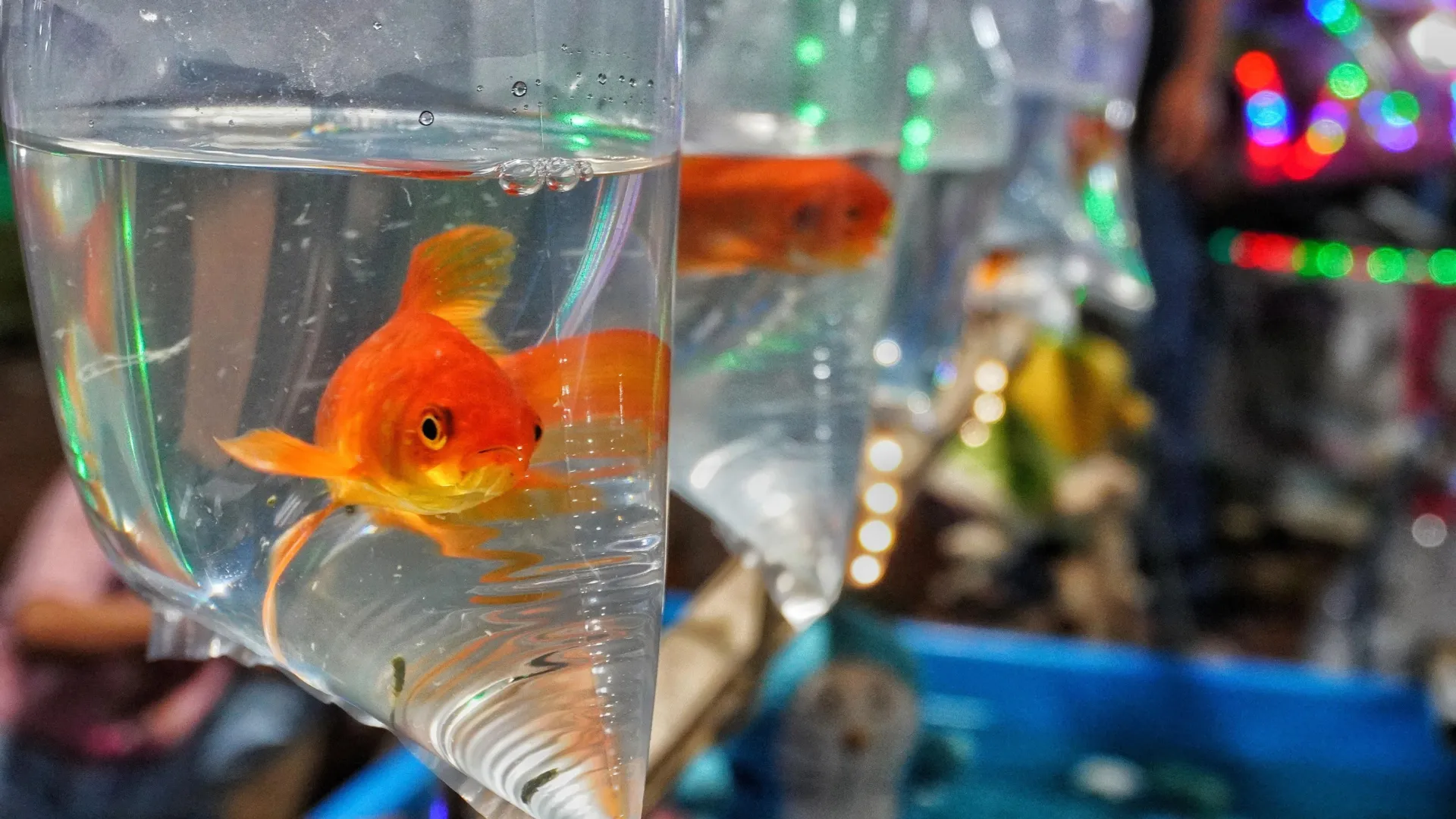
From pet to pest, goldfish can wreck entire ecosystems
A new study reveals that goldfish can do far more than survive in the wild—they can fundamentally reshape freshwater ecosystems. Researchers found they cloud water
A new study reveals that goldfish can do far more than survive in the wild—they can fundamentally reshape freshwater ecosystems. Researchers found they cloud water