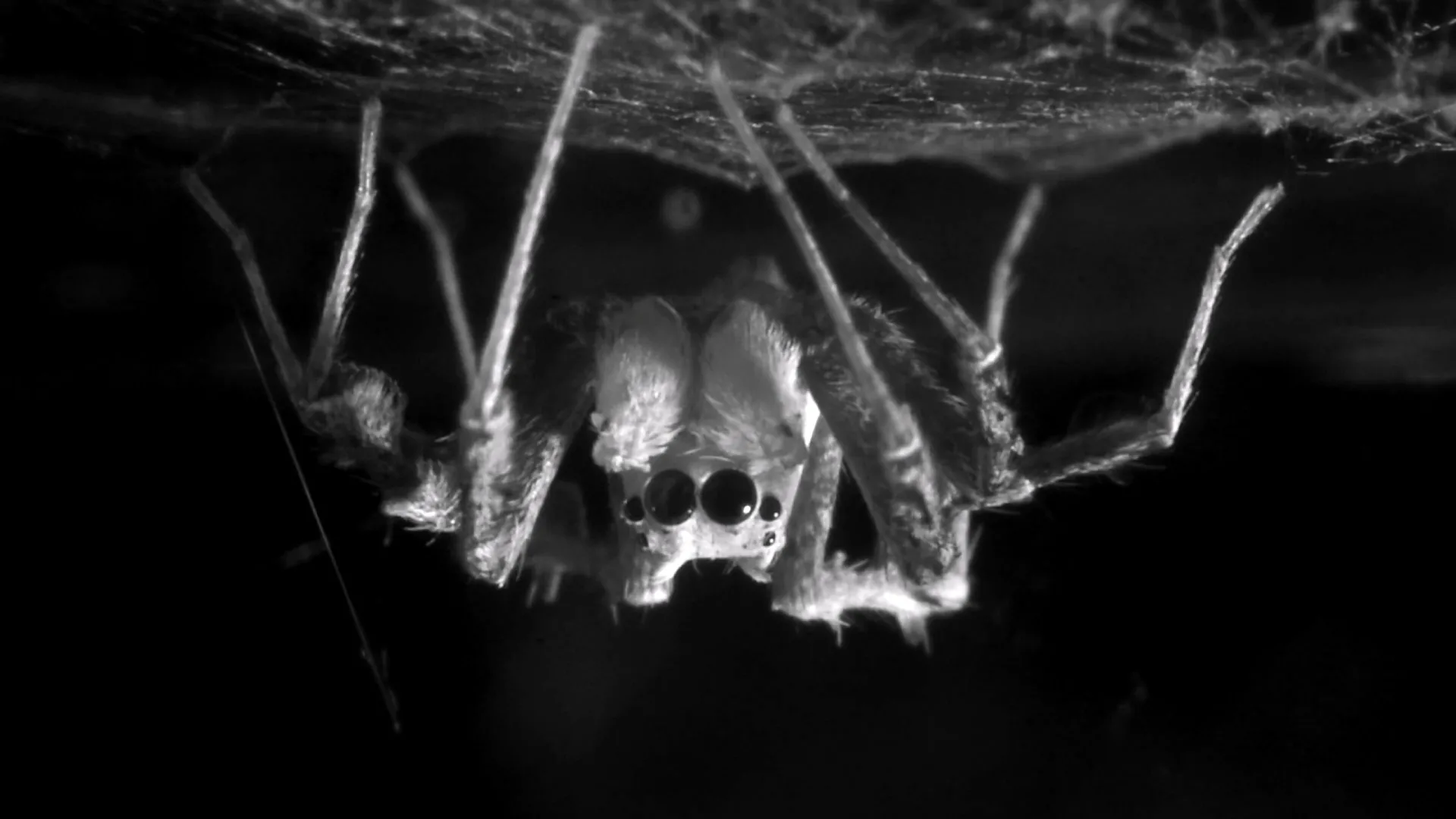
Scientists have discovered that spiders may sleep in ways surprisingly similar to humans, complete with distinct sleep stages and a dream-like REM state. Researchers at the University of Bonn studied the Australian jumping spider Portia fimbriata, a remarkably clever hunter known for its sophisticated strategies. By recording the spiders over several days and nights, they found clear evidence of regulated sleep, including a REM-like stage marked by eye movements and muscle twitches.
Related Posts
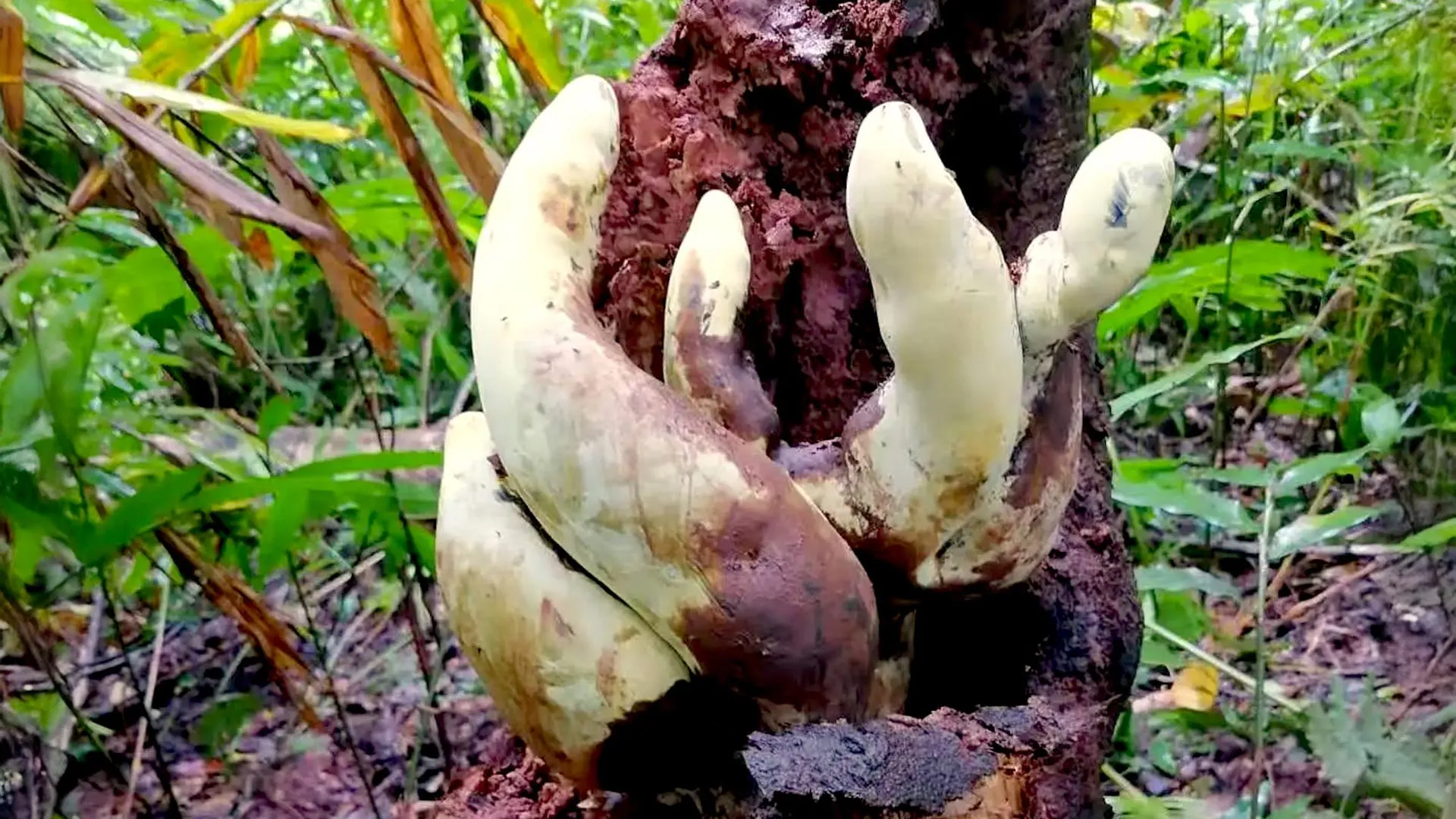
Chinese scientists discover “D-rex,” a giant fungus with roots stretching back 65 million years
Scientists have discovered a giant new fungus in China that grows up to 20 inches tall and weighs nearly five pounds, making it the largest
Scientists have discovered a giant new fungus in China that grows up to 20 inches tall and weighs nearly five pounds, making it the largest
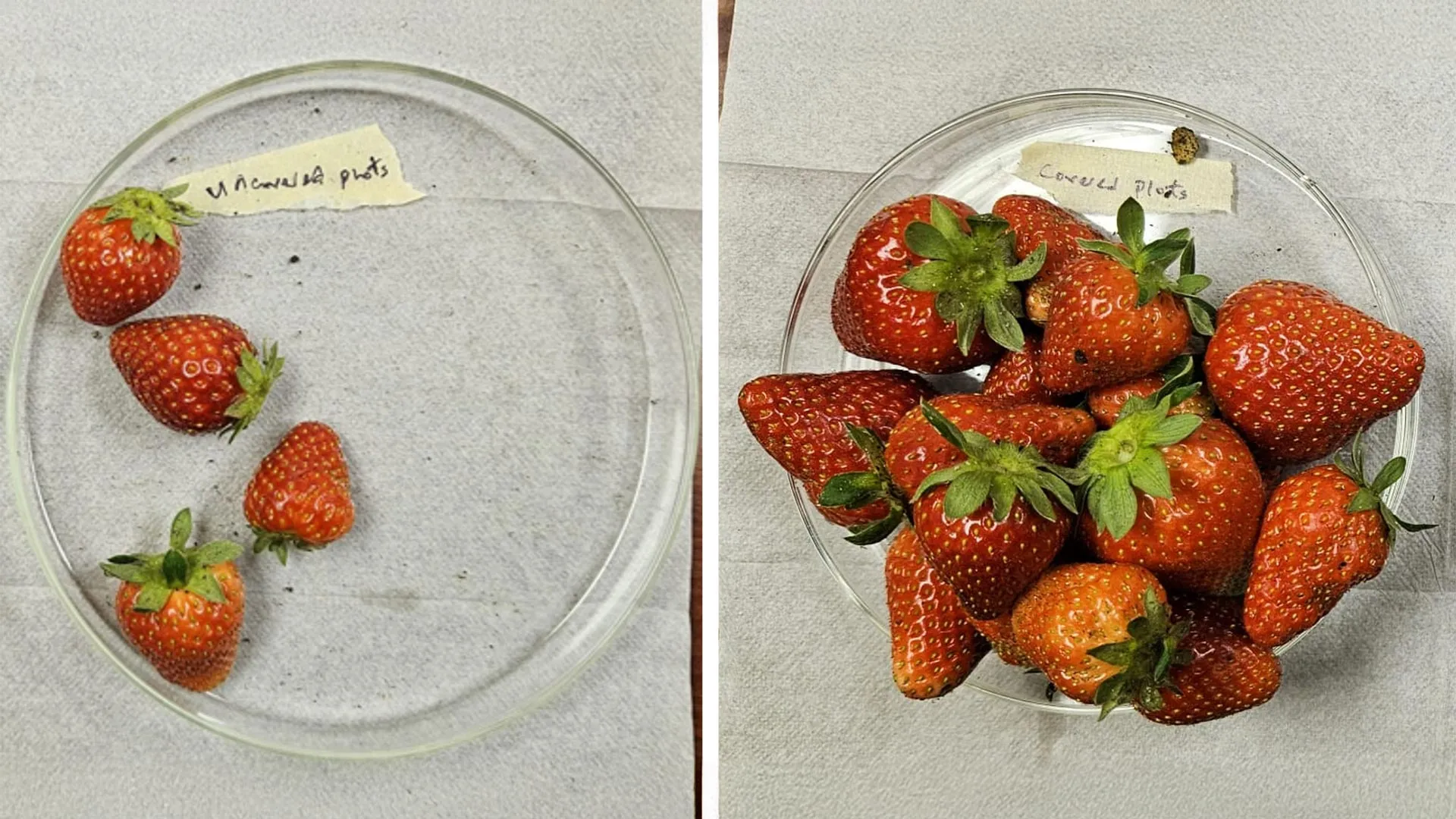
New “plant armor” more than triples strawberry yields
A new protective fabric boosted strawberry yields by as much as 3.56 times while blocking insects and still allowing sunlight, rain, and airflow to reach
A new protective fabric boosted strawberry yields by as much as 3.56 times while blocking insects and still allowing sunlight, rain, and airflow to reach

A hidden bias in human language challenges 70 years of science
A groundbreaking study challenges 70 years of assumptions about how human language works. By analyzing billions of word uses, scientists discovered that meaning is organized
A groundbreaking study challenges 70 years of assumptions about how human language works. By analyzing billions of word uses, scientists discovered that meaning is organized