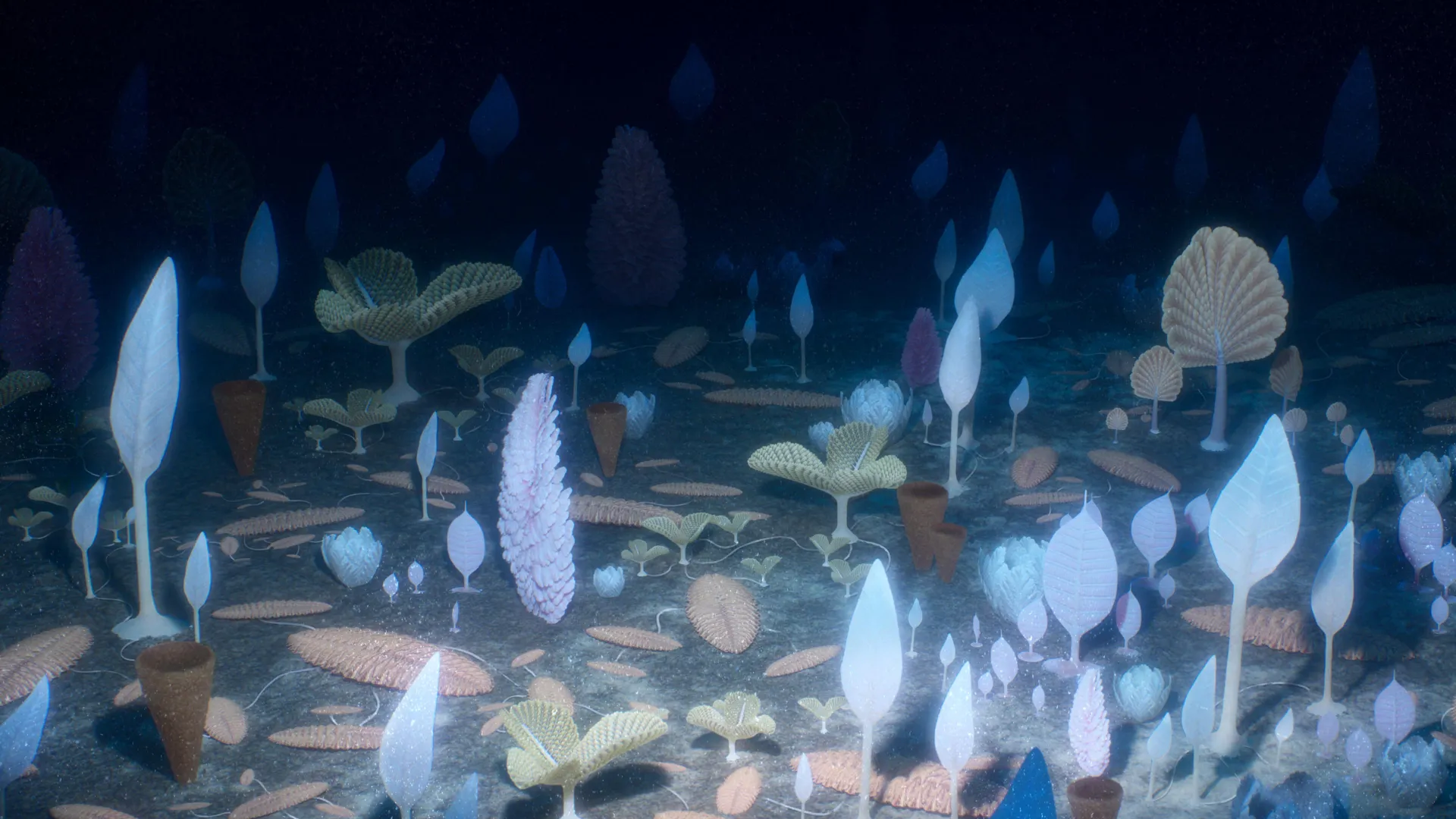
Earth’s earliest animals may have held evolution back because they reproduced asexually, creating low-competition communities that changed very little over time. When environmental pressures pushed them toward sexual reproduction, biodiversity exploded and evolution accelerated dramatically.
Related Posts

Brain activity under anesthesia challenges what we know about consciousness
The unconscious brain appears to be far more capable than scientists once believed. Researchers found that patients under general anesthesia could still process language at
The unconscious brain appears to be far more capable than scientists once believed. Researchers found that patients under general anesthesia could still process language at
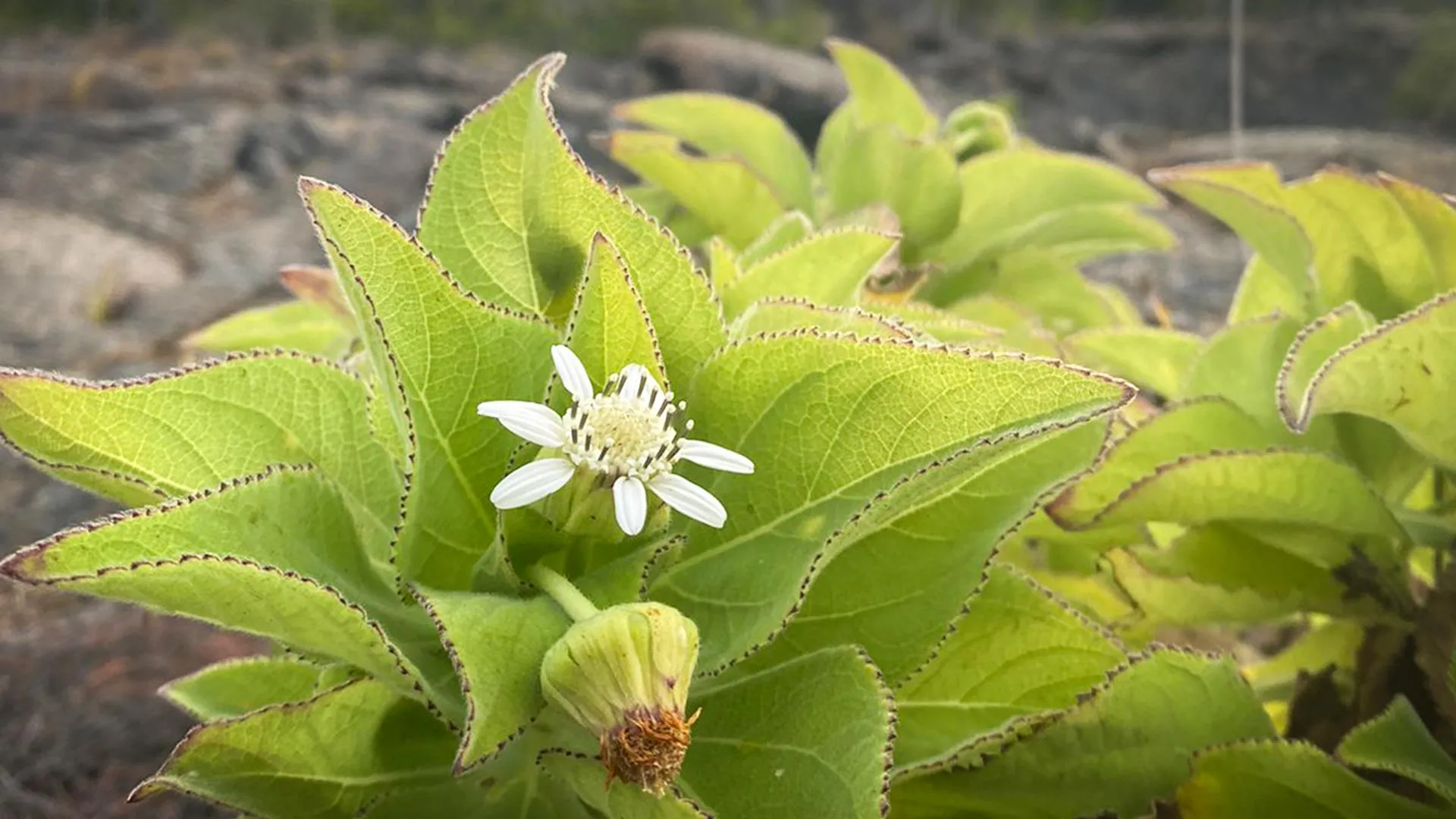
Scientists found evolution repeating itself in the Galápagos Islands
More than 150 years after Darwin’s finches helped reshape biology, Galápagos plants are exposing another evolutionary surprise. Giant daisies repeatedly developed similar heat-tolerant leaf shapes
More than 150 years after Darwin’s finches helped reshape biology, Galápagos plants are exposing another evolutionary surprise. Giant daisies repeatedly developed similar heat-tolerant leaf shapes
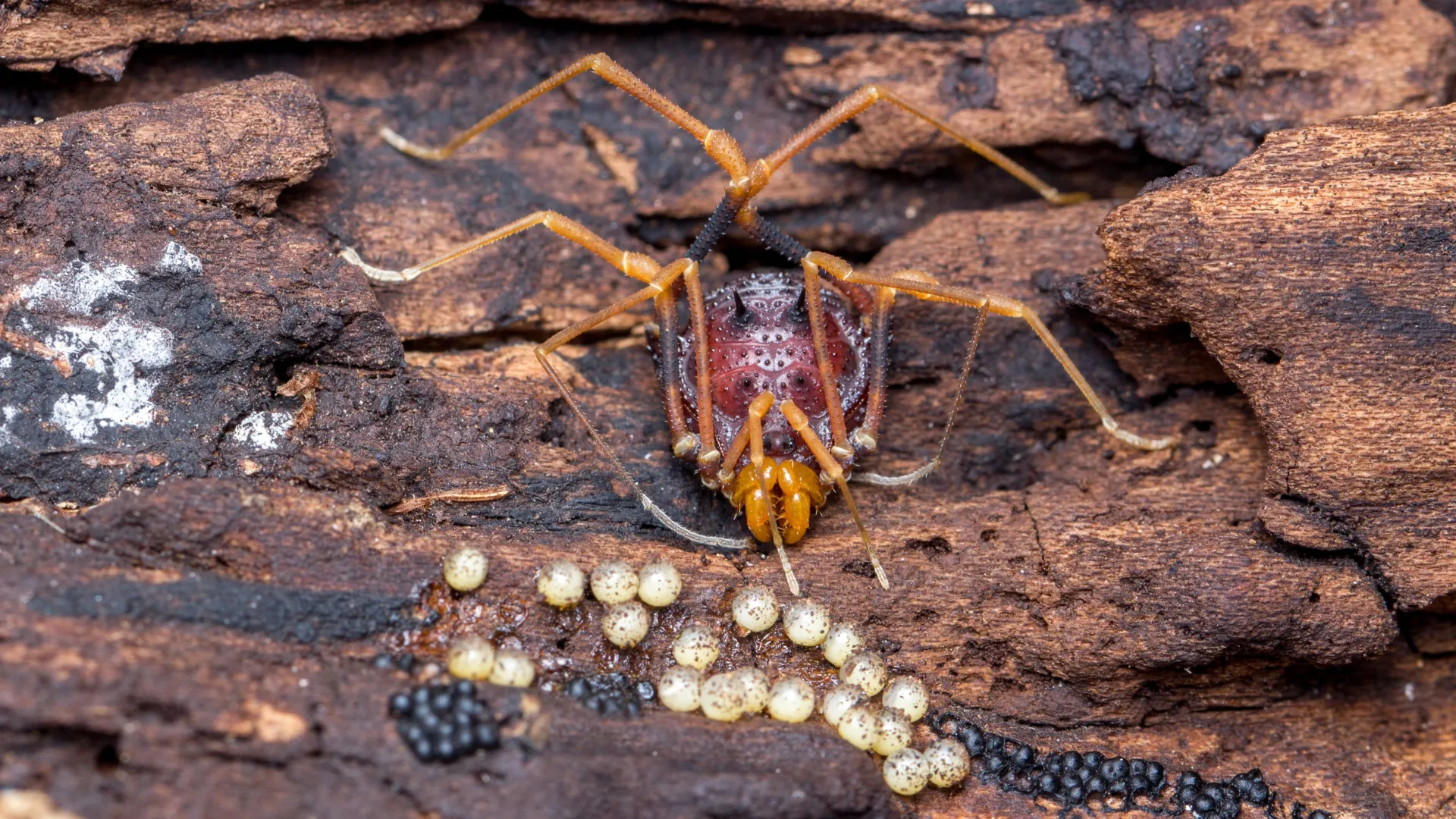
Spider-like creatures help uncover the surprising origins of fatherhood
Citizen scientists have helped researchers solve a long-standing mystery about how parental care evolved in harvestmen. Using photos and observations from iNaturalist, scientists more than
Citizen scientists have helped researchers solve a long-standing mystery about how parental care evolved in harvestmen. Using photos and observations from iNaturalist, scientists more than