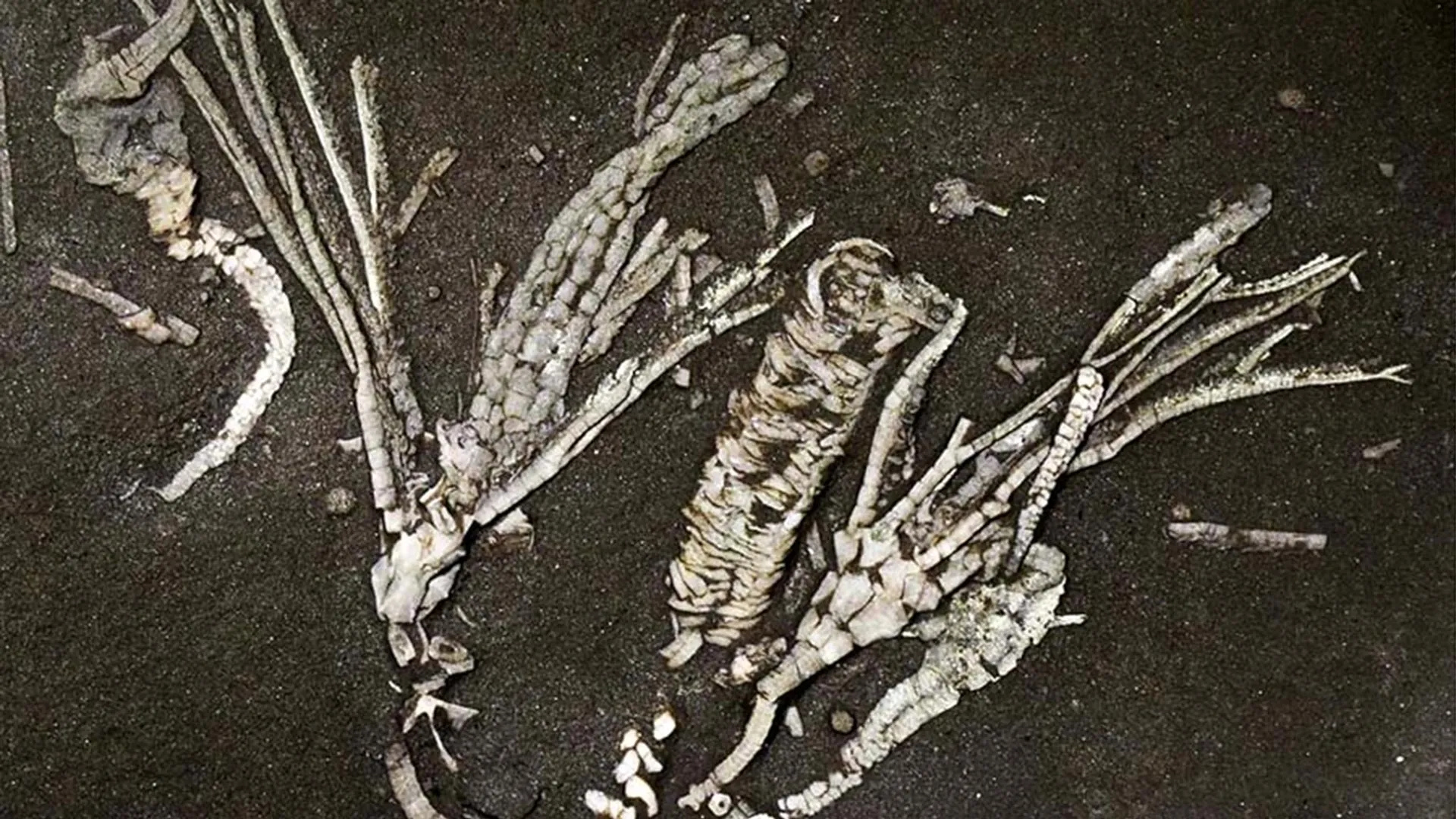
Scientists have identified exceptionally rare soft tissue preserved in a 450-million-year-old crinoid fossil, more than 200 million years older than the first dinosaurs. Its delicate tube feet offer a remarkable new window into how some of Earth’s earliest reef animals lived, fed, and evolved.
Related Posts
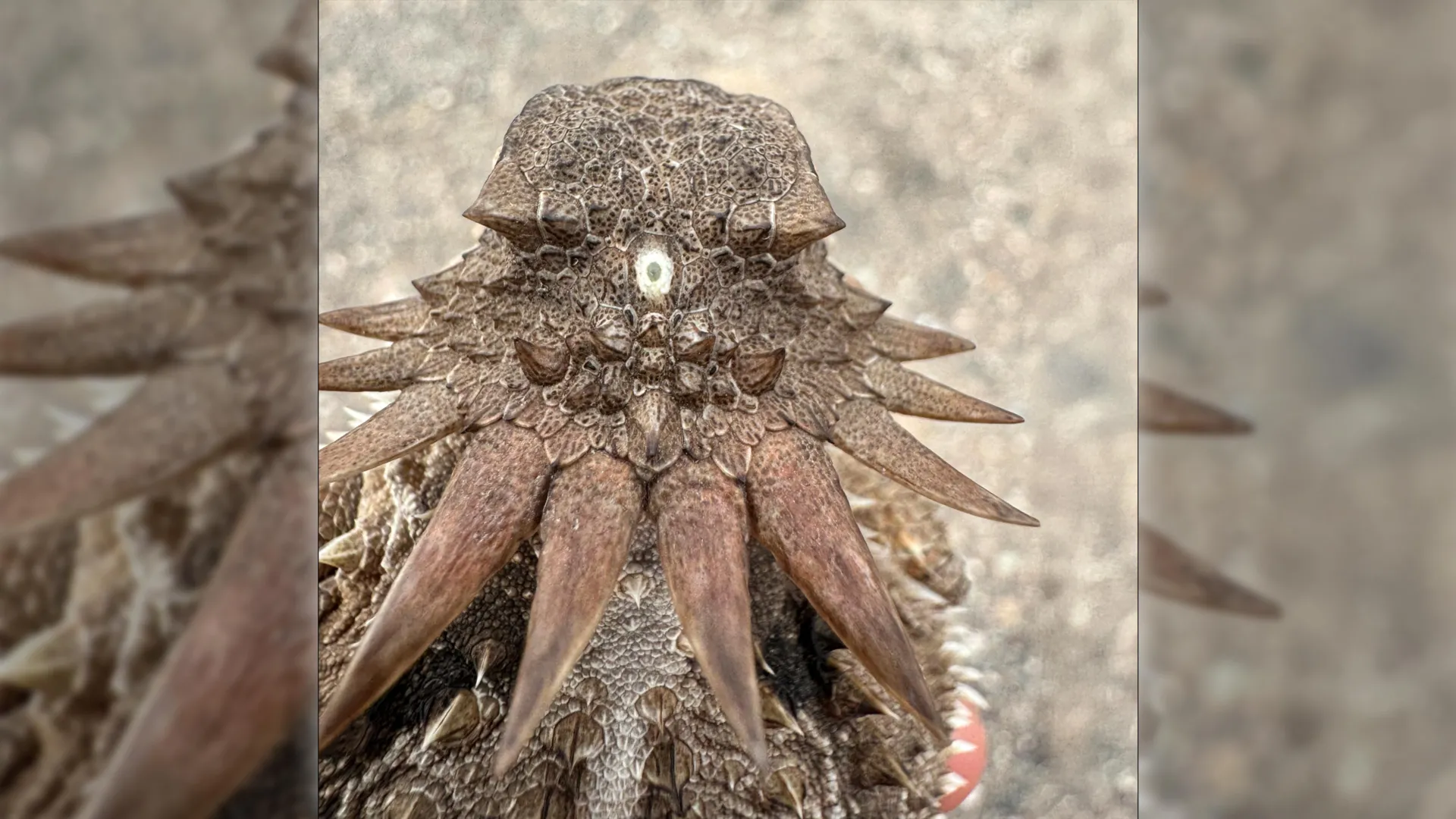
Scientists trace the shocking origin of human eyes to an ancient “cyclops”
Researchers say a tiny one-eyed ancestor that lived nearly 600 million years ago may have shaped the evolution of every vertebrate eye, including our own.
Researchers say a tiny one-eyed ancestor that lived nearly 600 million years ago may have shaped the evolution of every vertebrate eye, including our own.
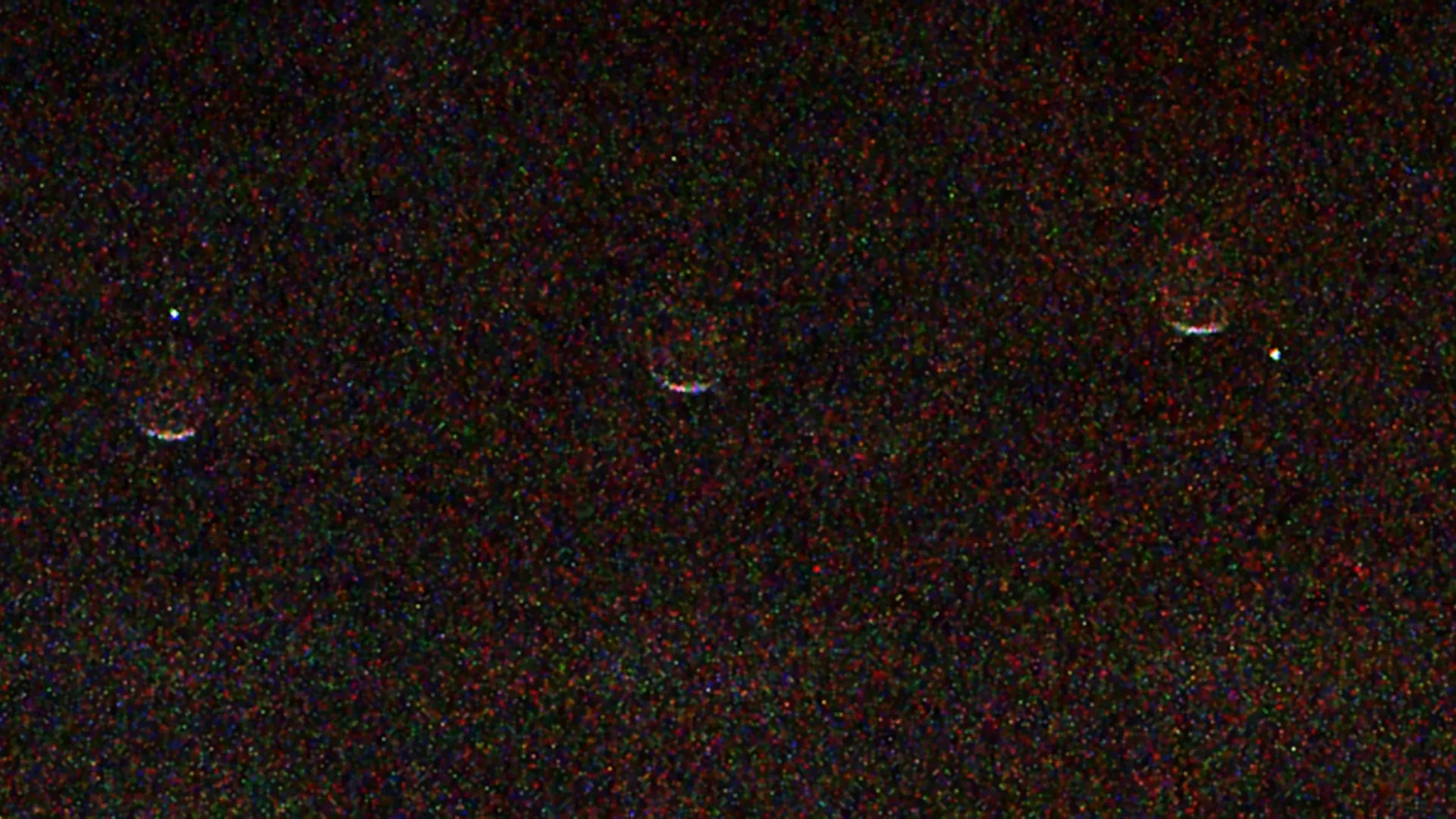
NASA’s Perseverance rover watches Earth vanish from the surface of Mars
NASA’s Perseverance rover caught a striking first from Mars: Earth disappearing behind the tiny moon Phobos. Seen from nearly 195 million miles away, our planet
NASA’s Perseverance rover caught a striking first from Mars: Earth disappearing behind the tiny moon Phobos. Seen from nearly 195 million miles away, our planet
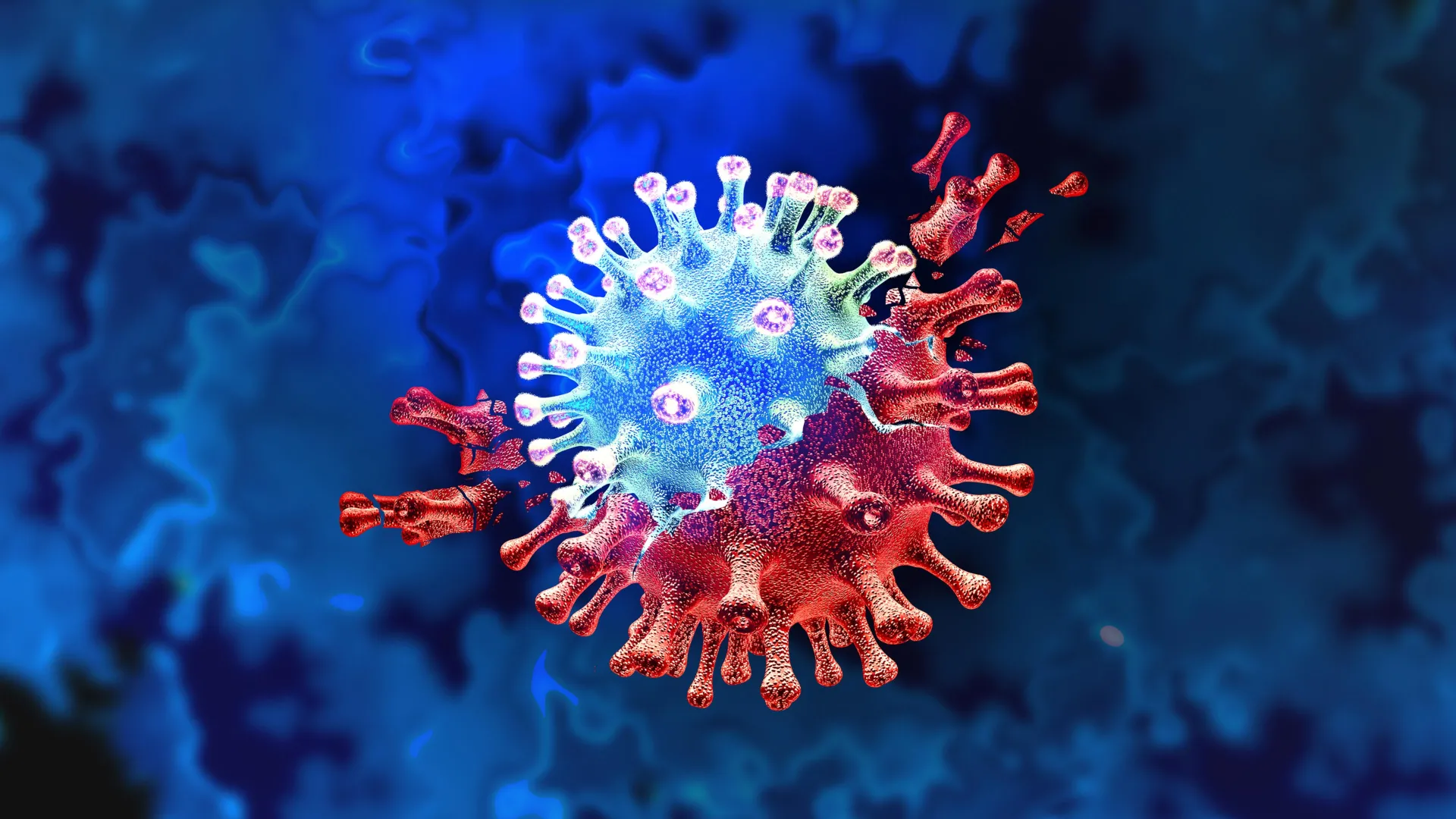
COVID-19 awakens dormant viruses — and one is linked to long COVID
COVID-19 can reactivate dormant viruses hiding in the body, including Epstein-Barr, cytomegalovirus, and several herpes viruses. One poorly understood viral family was strongly associated with
COVID-19 can reactivate dormant viruses hiding in the body, including Epstein-Barr, cytomegalovirus, and several herpes viruses. One poorly understood viral family was strongly associated with