
Ozempic-like drugs appear to weaken more than hunger—they may also reduce cravings for alcohol and other addictive substances. Scientists are increasingly tracing this effect to the lateral septum, a brain region that helps connect memories and surroundings with rewarding experiences. Packed with GLP-1 receptors, it may act as a crucial control point between thinking about a reward and feeling compelled to pursue it. The discovery could open new approaches to treating addiction as well as obesity.
Related Posts

Wonky church which leans more than the Tower of Pisa saved from collapse
Parishioners have managed to save the historic church of St James (Picture: Cover Images) An English church with a more extreme lean than the Tower
Parishioners have managed to save the historic church of St James (Picture: Cover Images) An English church with a more extreme lean than the Tower

Forget the sperm race: Fertilization may depend on teamwork
Millions of sperm do not always compete alone—some species send them into action as coordinated teams. A sweeping evolutionary study found that this cooperation is
Millions of sperm do not always compete alone—some species send them into action as coordinated teams. A sweeping evolutionary study found that this cooperation is
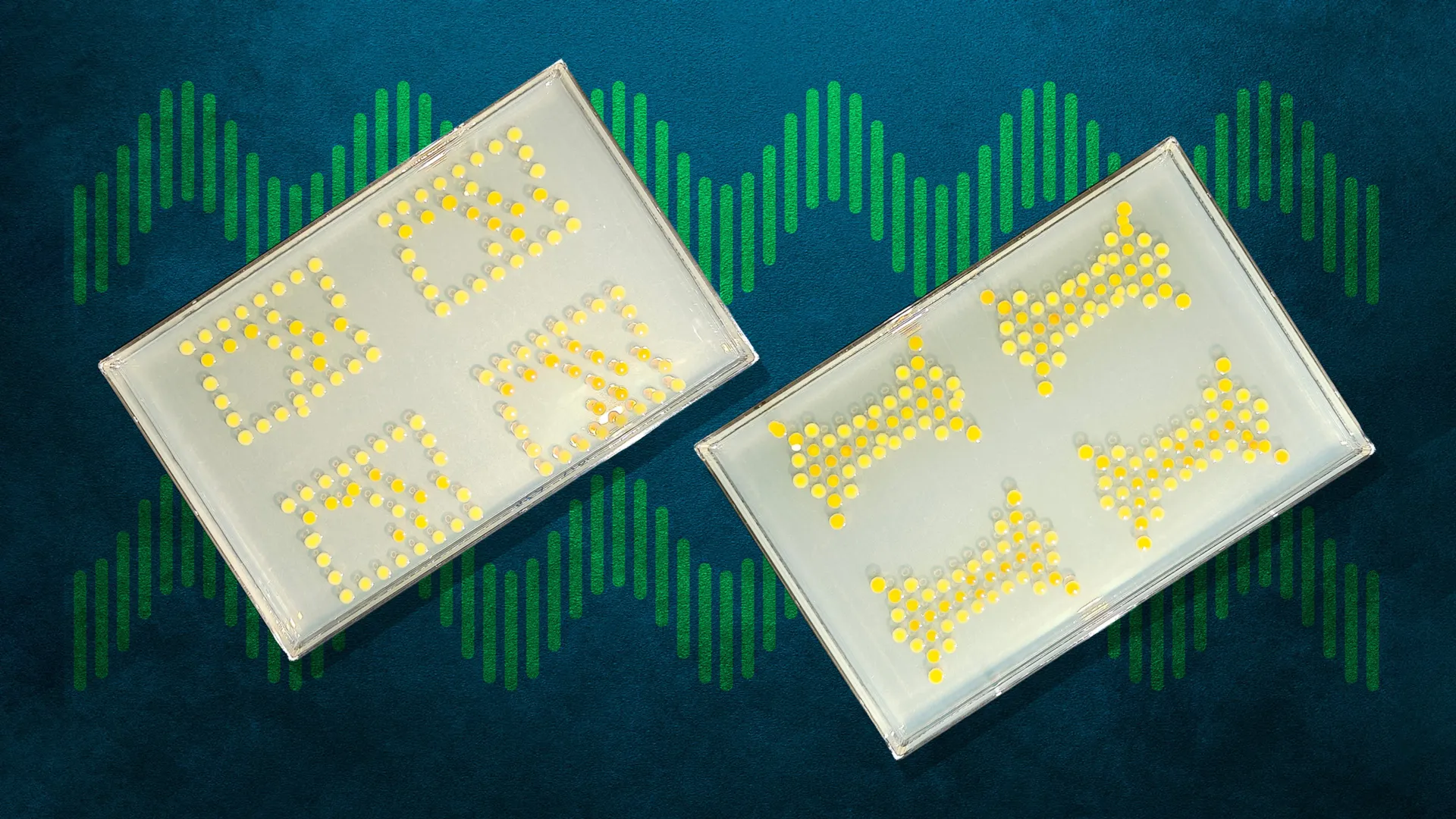
MIT turns bacteria into living transistors
MIT researchers have created bacterial “transistors” that can be wired together into living circuits capable of performing calculations and directing chemical signals. One day, these
MIT researchers have created bacterial “transistors” that can be wired together into living circuits capable of performing calculations and directing chemical signals. One day, these