
The adult brain may be far better at repairing itself than scientists once believed. In mice, researchers discovered a special group of support cells called astrocytes that respond to damaged brain tissue by rebuilding lost cellular networks. Rather than simply moving into the injured area, these cells perform a remarkable maneuver: they create new nuclei and send them traveling through long cellular extensions to repopulate damaged regions.
Related Posts
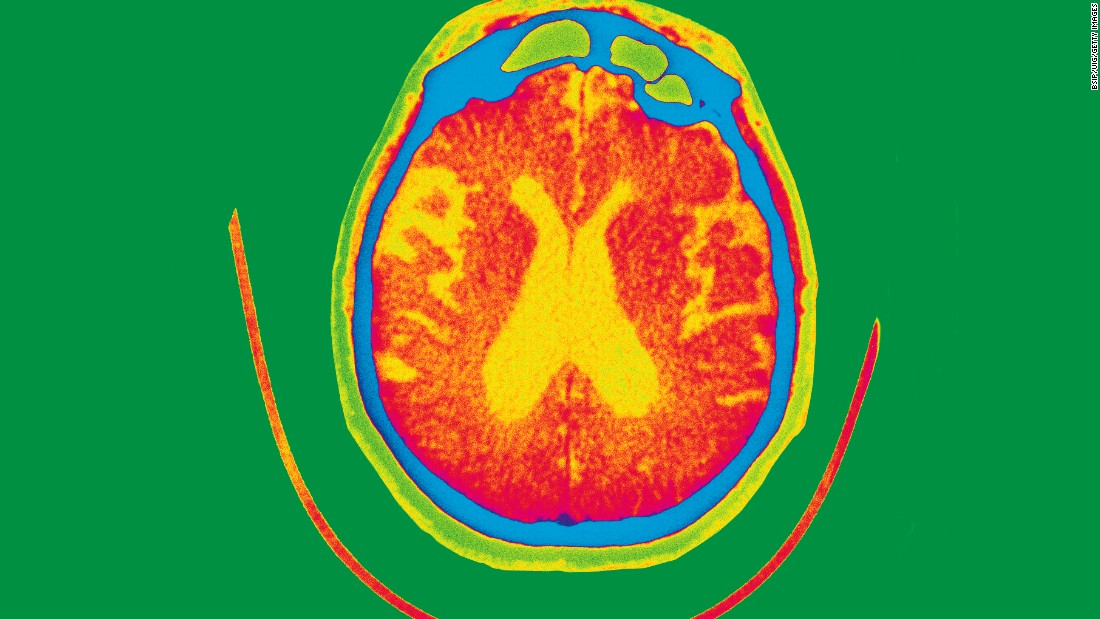
Experimental therapy gantenerumab fails to slow or improve Alzheimer’s memory loss in clinical trials
An experimental treatment, gantenerumab, failed to help people at high risk of memory loss from Alzheimer’s or those who were in the early phases of
An experimental treatment, gantenerumab, failed to help people at high risk of memory loss from Alzheimer’s or those who were in the early phases of

Ozempic may have revealed the brain’s hidden “craving center”
Ozempic-like drugs appear to weaken more than hunger—they may also reduce cravings for alcohol and other addictive substances. Scientists are increasingly tracing this effect to
Ozempic-like drugs appear to weaken more than hunger—they may also reduce cravings for alcohol and other addictive substances. Scientists are increasingly tracing this effect to
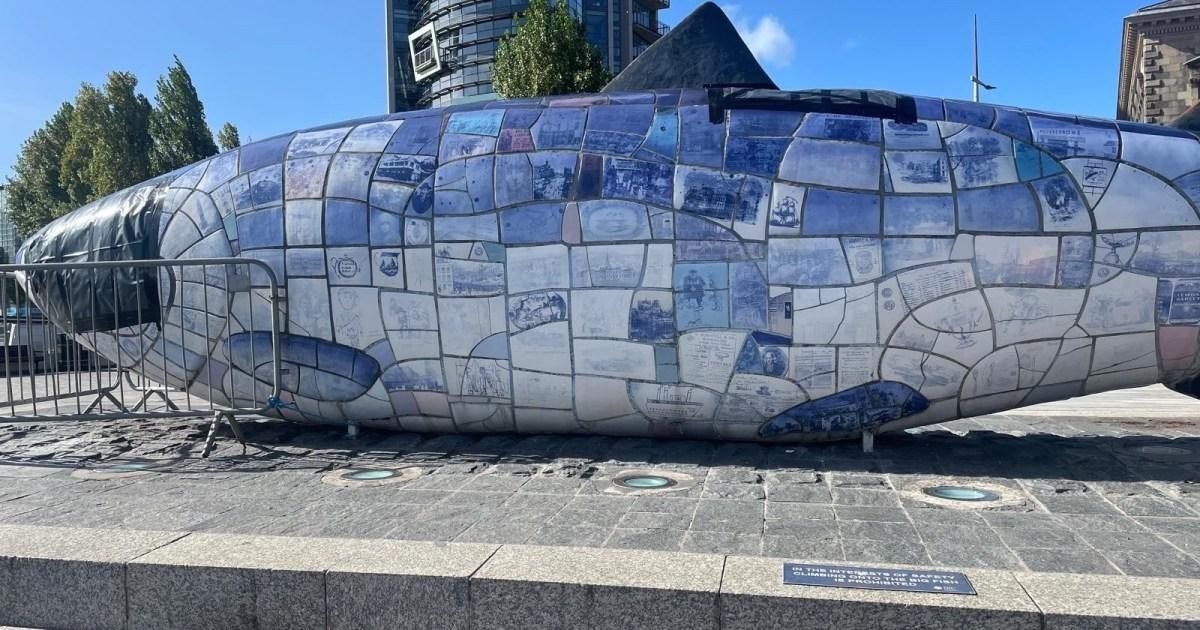
Man, 44, charged with smashing Belfast’s Big Fish sculpture
Damage was caused to the ‘Big Fish’ sculpture in an overnight incident in Belfast. (Picture: Jonathan McCambridge/PA Wire) A man is set to appear in
Damage was caused to the ‘Big Fish’ sculpture in an overnight incident in Belfast. (Picture: Jonathan McCambridge/PA Wire) A man is set to appear in