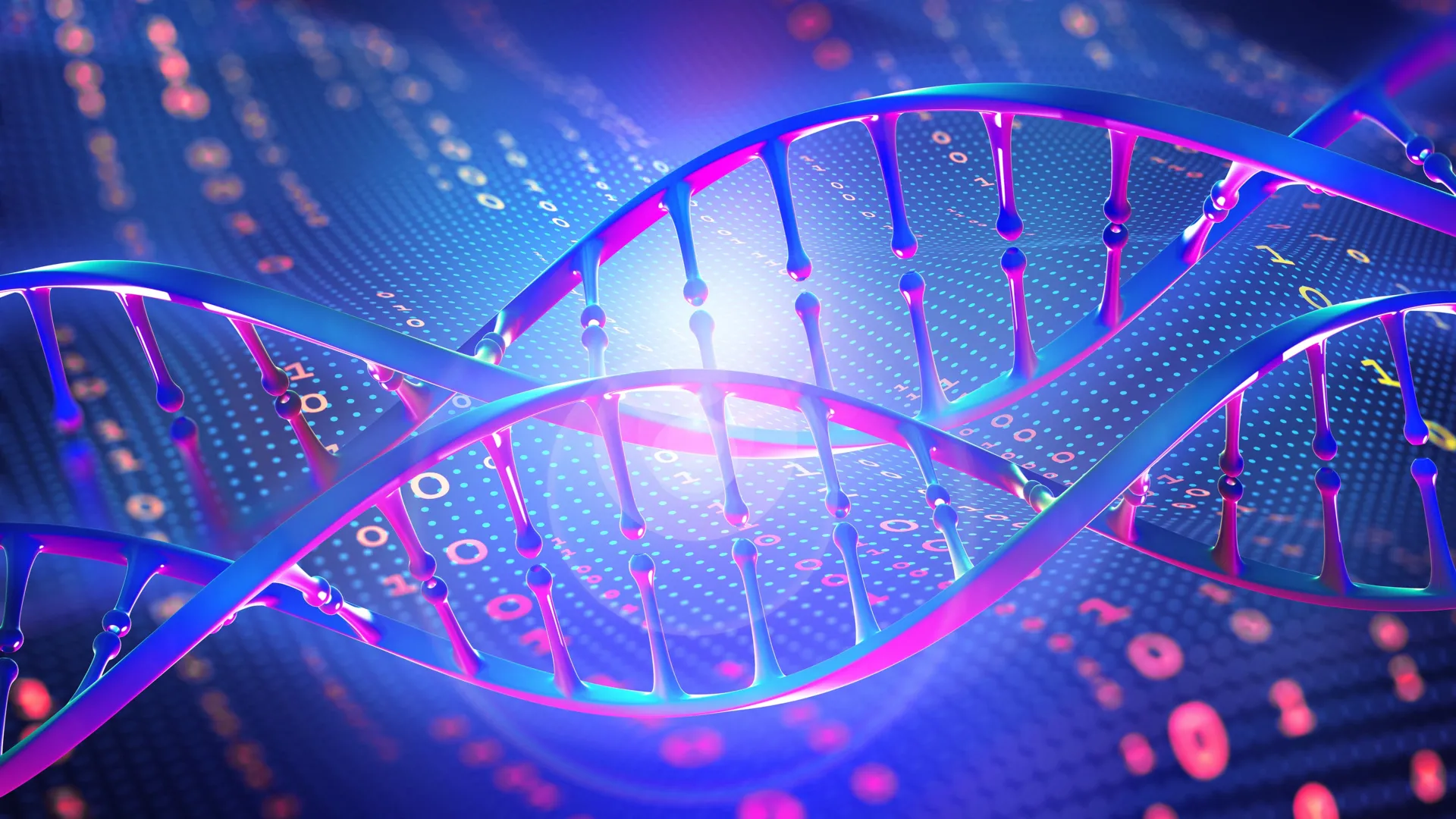
Researchers combined synthetic DNA with a semiconductor to create an ultra-low-power memory device capable of storing and processing information in the same place. The bio-hybrid technology could eventually help make AI systems and next-generation computers far more energy efficient.
Related Posts
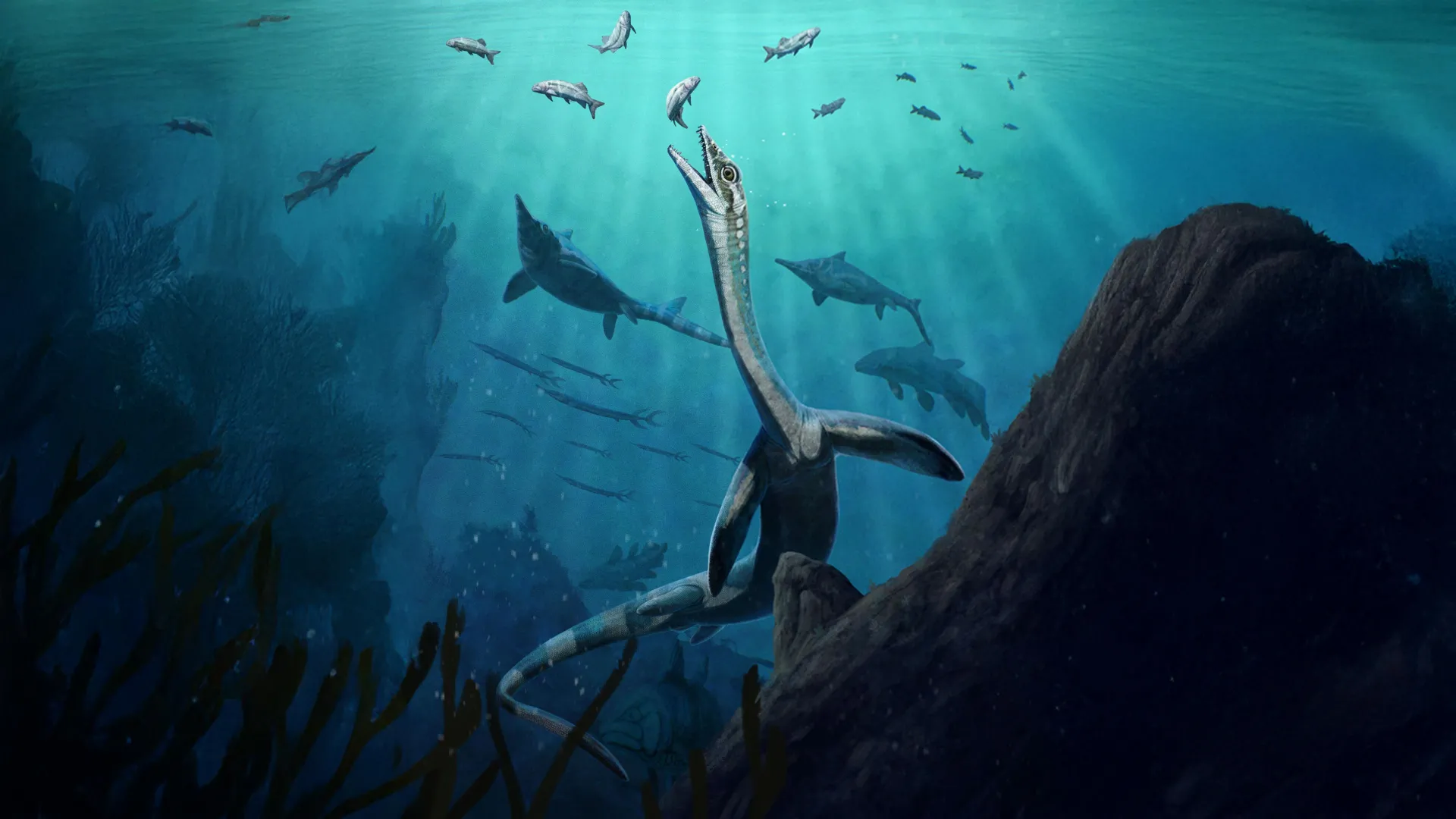
This 245-million-year-old fossil still has its stomach and intestines
A 245-million-year-old marine reptile fossil preserves an astonishing amount of detail, including its stomach, liver, and intestines. The discovery reveals that Austronaga minuta was highly
A 245-million-year-old marine reptile fossil preserves an astonishing amount of detail, including its stomach, liver, and intestines. The discovery reveals that Austronaga minuta was highly

Cancer is rising in younger adults. Faster biological aging may help explain why
Cancer rates are rising in adults under 55, and new research suggests accelerated biological aging may be one piece of the puzzle. Scientists found that
Cancer rates are rising in adults under 55, and new research suggests accelerated biological aging may be one piece of the puzzle. Scientists found that

Desperate for heart surgery for their baby, a family feels the effects of pediatric hospital shortages
Even before their daughter was born in June, Aaron and Helen Chavez knew she would need heart surgery. Doctors expected her to have an operation
Even before their daughter was born in June, Aaron and Helen Chavez knew she would need heart surgery. Doctors expected her to have an operation